Pepperkey — Designing a Broker Network Around the WhatsApp Habit
Role
Senior Product Designer
Mode
Direct Engagement
Scope
Product UX Ownership
User Flows & IA
High-Fidelity Mobile UI
Complex Permission Logic
Scalable Design System
Timeline
Sep 2024 — Jan 2025
Figma
Live
Closed Beta
Overview
Pepperkey is a broker-to-broker networking app for UK estate agents, covering listings, requirements, social posts, and in-app messaging. The hardest constraint wasn't a portal feature. It was WhatsApp. UK agents already move off-market deals inside group chats: pocket listings, quick price drops, "got a buyer for SW7, anyone?" — fast, informal, no record. The product had to match that speed while letting the agent decide who sees what
My scope ran from product architecture through to a shippable design system. Formal user research wasn't part of the engagement, so decisions came from how brokers actually behave in WhatsApp deal groups, competitor flows on Bayut and Property Finder, and continuous review with the founding team and the partners they were showing the design to
The Visibility Decision
Five visibility tiers govern who sees what: Public, Off-Market, Pepperkey, My Connections, Trusted Lists. Tiers themselves aren't novel. What mattered was placing the choice inside the Create flow with content-aware defaults — Wanted posts default to network-scoped, Quick Listings to Off-Market, standard listings to Public. The decision happens when the agent is already thinking about exposure
Built for How Agents Actually Work
The Quick Listing flow is four fields plus a visibility tier. Photos optional, because pocket listings move on WhatsApp with no photos at all ("4-bed, Notting Hill, £6.5m, off-market, ping me"), and forcing one here would mean agents skipping the flow
Next to it sits PDF-to-Listing. Agents already export property PDFs for portals and brochures; the cheapest route in was to swallow what they already produce. Upload, parse, edit, publish. Don't redesign how agents create content — design around it
Contact is multi-channel by design: Message, Call, WhatsApp. That's how UK deals close
The Page Where Decisions Happen
The densest page in the product. Gallery, full description, amenities collapsed under a single button, location with broker-relevant tags, market trends for comparable properties, agent and agency representatives, recommended listings. Contact stays sticky through the entire scroll. The page reads as a working tool, not a marketing page: data as evidence for a transaction decision, not atmosphere
Activity Lives on the Listing
Activity logs sit per listing, not in a generic inbox. Each entry (message, call, missed call) carries a timestamp and the same Message/Call/WhatsApp buttons attached, so the agent reacts inside the thread. Two views: a chat-like timeline per listing for full activity history, and a listing-grouped overview for triaging across multiple properties
Social Without the Engagement Trap
Posts, listings, and Wanted requests share one card model. Likes and comments exist, but no follower counts, no view counts, no algorithmic ranking. The Home feed is curated by subscriptions, not generated. The feed is a tool, not a stream
One System Across Both Sides
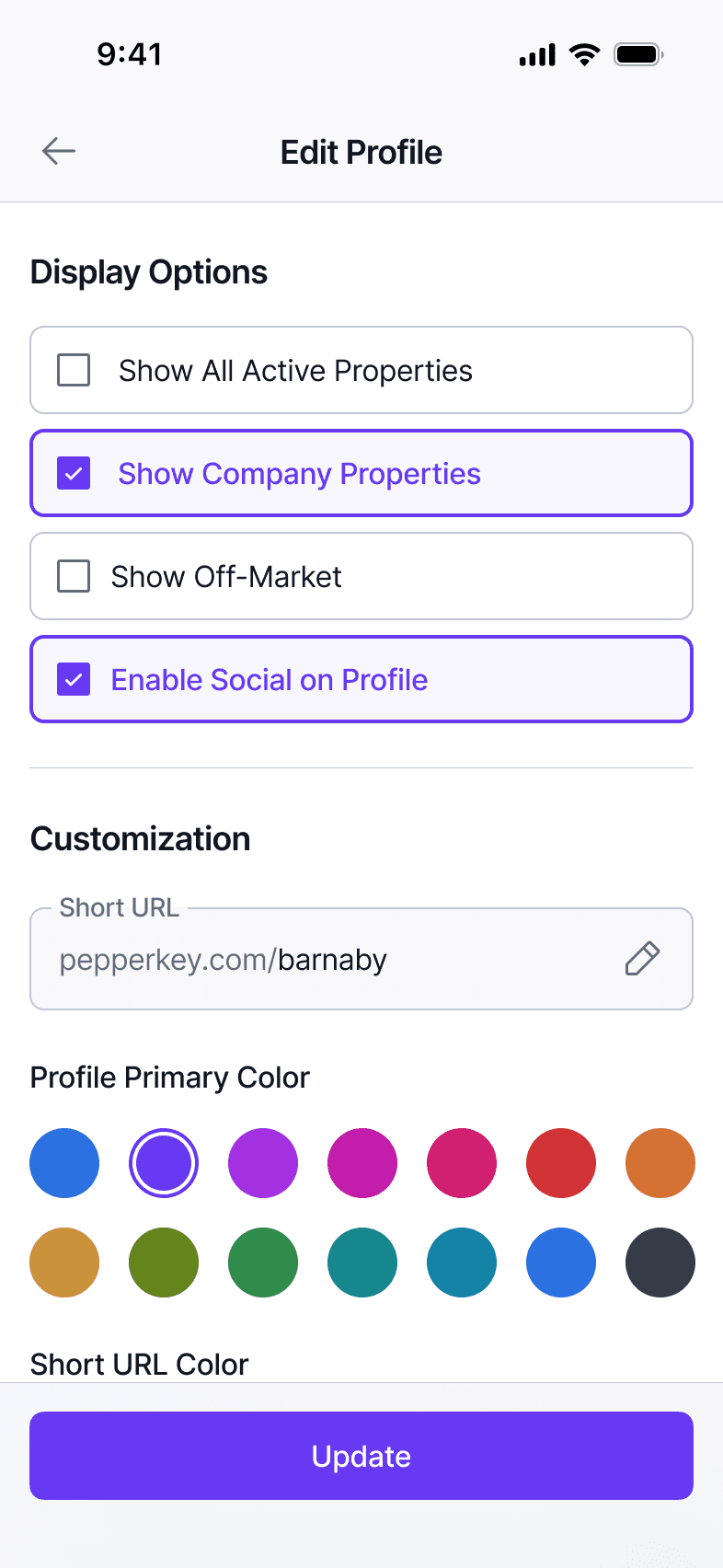
Each agent gets a customisable profile: theme colour, banner, short URL, and a separate Public View for client-facing sharing. The chosen colour follows the agent across the product, appearing on their profile, verification mark, and short URL wherever they show up
The agency-side desktop tools (User Management, Listings Management) run on the same component system. Mobile to desktop changes scope, not product
Pepperkey — Designing a Broker Network Around the WhatsApp Habit
Role
Senior Product Designer
Mode
Direct Engagement
Scope
Product UX Ownership
User Flows & IA
High-Fidelity Mobile UI
Complex Permission Logic
Scalable Design System
Timeline
Sep 2024 — Jan 2025
Figma
Live
Closed Beta
Overview
Pepperkey is a broker-to-broker networking app for UK estate agents, covering listings, requirements, social posts, and in-app messaging. The hardest constraint wasn't a portal feature. It was WhatsApp. UK agents already move off-market deals inside group chats: pocket listings, quick price drops, "got a buyer for SW7, anyone?" — fast, informal, no record. The product had to match that speed while letting the agent decide who sees what
My scope ran from product architecture through to a shippable design system. Formal user research wasn't part of the engagement, so decisions came from how brokers actually behave in WhatsApp deal groups, competitor flows on Bayut and Property Finder, and continuous review with the founding team and the partners they were showing the design to
The Visibility Decision
Five visibility tiers govern who sees what: Public, Off-Market, Pepperkey, My Connections, Trusted Lists. Tiers themselves aren't novel. What mattered was placing the choice inside the Create flow with content-aware defaults — Wanted posts default to network-scoped, Quick Listings to Off-Market, standard listings to Public. The decision happens when the agent is already thinking about exposure
Built for How Agents Actually Work
The Quick Listing flow is four fields plus a visibility tier. Photos optional, because pocket listings move on WhatsApp with no photos at all ("4-bed, Notting Hill, £6.5m, off-market, ping me"), and forcing one here would mean agents skipping the flow
Next to it sits PDF-to-Listing. Agents already export property PDFs for portals and brochures; the cheapest route in was to swallow what they already produce. Upload, parse, edit, publish. Don't redesign how agents create content — design around it
Contact is multi-channel by design: Message, Call, WhatsApp. That's how UK deals close
The Page Where Decisions Happen
The densest page in the product. Gallery, full description, amenities collapsed under a single button, location with broker-relevant tags, market trends for comparable properties, agent and agency representatives, recommended listings. Contact stays sticky through the entire scroll. The page reads as a working tool, not a marketing page: data as evidence for a transaction decision, not atmosphere
Activity Lives on the Listing
Activity logs sit per listing, not in a generic inbox. Each entry (message, call, missed call) carries a timestamp and the same Message/Call/WhatsApp buttons attached, so the agent reacts inside the thread. Two views: a chat-like timeline per listing for full activity history, and a listing-grouped overview for triaging across multiple properties
Social Without the Engagement Trap
Posts, listings, and Wanted requests share one card model. Likes and comments exist, but no follower counts, no view counts, no algorithmic ranking. The Home feed is curated by subscriptions, not generated. The feed is a tool, not a stream
One System Across Both Sides
Each agent gets a customisable profile: theme colour, banner, short URL, and a separate Public View for client-facing sharing. The chosen colour follows the agent across the product, appearing on their profile, verification mark, and short URL wherever they show up
The agency-side desktop tools (User Management, Listings Management) run on the same component system. Mobile to desktop changes scope, not product
Pepperkey — Designing a Broker Network Around the WhatsApp Habit
Role
Senior Product Designer
Mode
Direct Engagement
Scope
Product UX Ownership
User Flows & IA
High-Fidelity Mobile UI
Complex Permission Logic
Scalable Design System
Timeline
Sep 2024 — Jan 2025
Figma
Live
Closed Beta
Overview
Pepperkey is a broker-to-broker networking app for UK estate agents, covering listings, requirements, social posts, and in-app messaging. The hardest constraint wasn't a portal feature. It was WhatsApp. UK agents already move off-market deals inside group chats: pocket listings, quick price drops, "got a buyer for SW7, anyone?" — fast, informal, no record. The product had to match that speed while letting the agent decide who sees what
My scope ran from product architecture through to a shippable design system. Formal user research wasn't part of the engagement, so decisions came from how brokers actually behave in WhatsApp deal groups, competitor flows on Bayut and Property Finder, and continuous review with the founding team and the partners they were showing the design to
Read More
Pepperkey — Designing a Broker Network Around the WhatsApp Habit
Role
Senior Product Designer
Mode
Direct Engagement
Scope
Product UX Ownership
User Flows & IA
High-Fidelity Mobile UI
Complex Permission Logic
Scalable Design System
Timeline
Sep 2024 — Jan 2025
Figma
Live
Closed Beta
Overview
Pepperkey is a broker-to-broker networking app for UK estate agents, covering listings, requirements, social posts, and in-app messaging. The hardest constraint wasn't a portal feature. It was WhatsApp. UK agents already move off-market deals inside group chats: pocket listings, quick price drops, "got a buyer for SW7, anyone?" — fast, informal, no record. The product had to match that speed while letting the agent decide who sees what
My scope ran from product architecture through to a shippable design system. Formal user research wasn't part of the engagement, so decisions came from how brokers actually behave in WhatsApp deal groups, competitor flows on Bayut and Property Finder, and continuous review with the founding team and the partners they were showing the design to
Read More
Mobile App UI
Desktop App UI
Mobile App UI
Desktop App UI
Mobile App UI
Desktop App UI
Home Tab


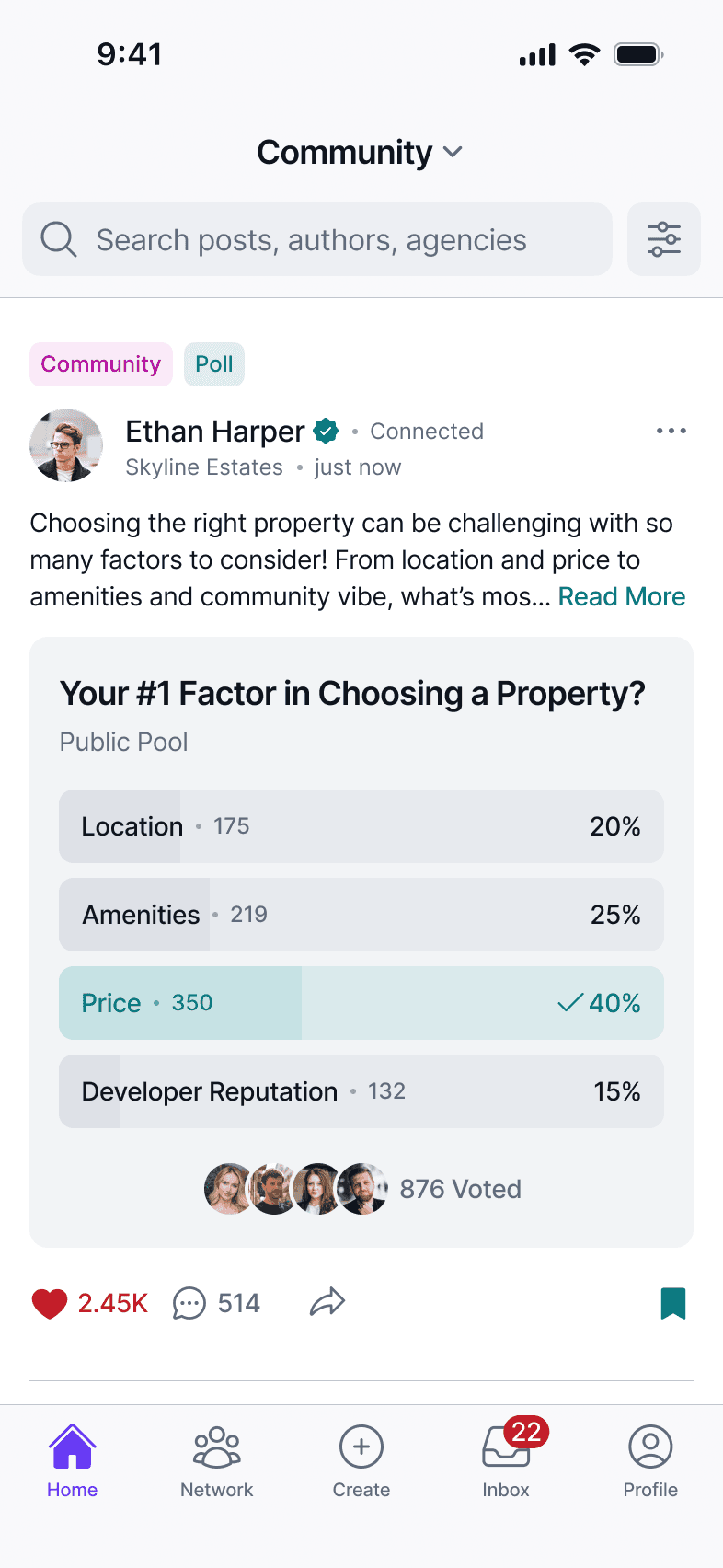
Listing Detail


Network Tab


Inbox Tab

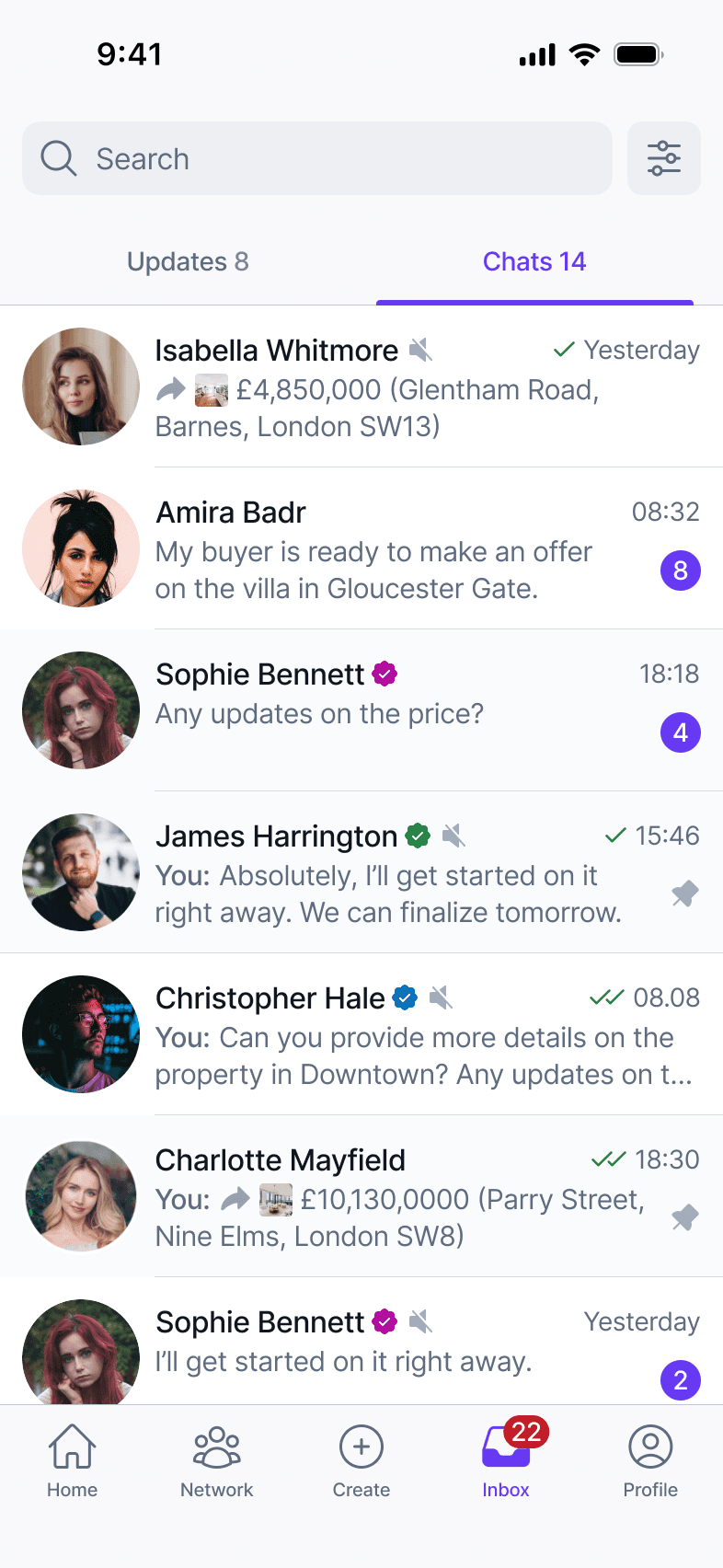

Profile Tab
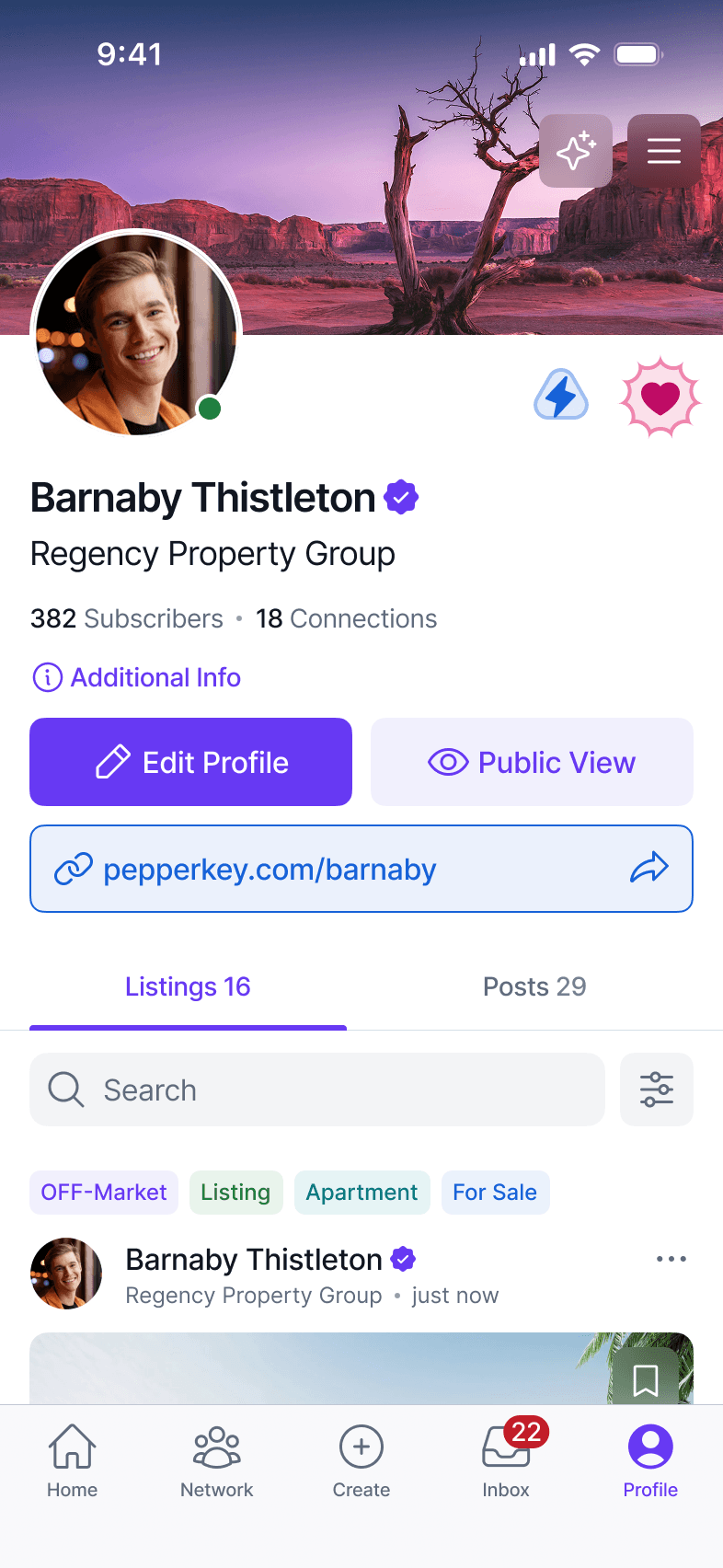


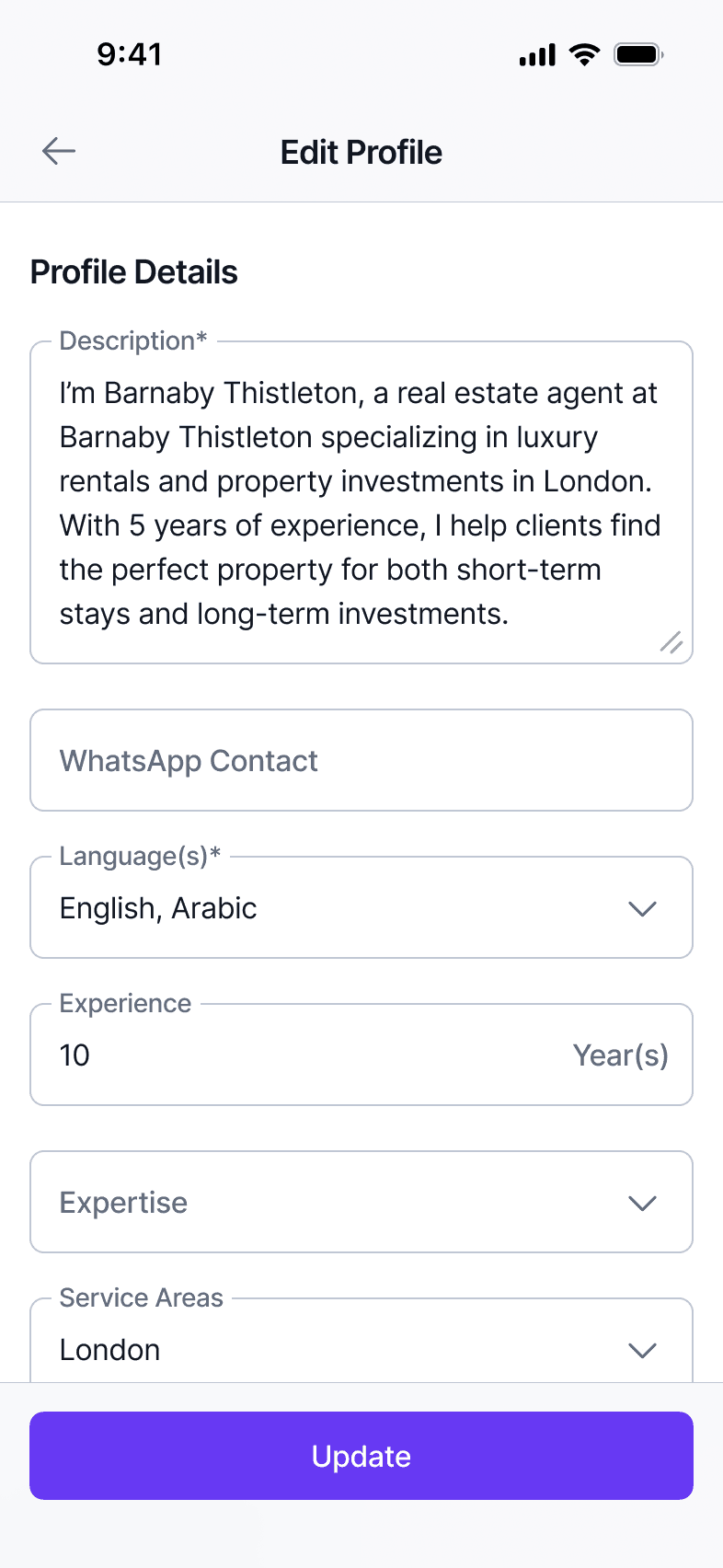
Profile Tab -> Leads


Control Panel

