Frescobol Carioca — Resortwear Brand E-Commerce
Role
Lead Product Designer
Mode
Sole Ownership via Texture
Scope
Full E-Commerce Redesign
UX Architecture
High-Fidelity UI
Design System
Curated Commerce Logic
Timeline
Aug 2022 — Aug 2024
Figma
Live
Login-Only
Overview
Frescobol Carioca is a London-born resortwear house with Brazilian roots — apparel, swim, footwear, and the hand-carved beach bats it's named for. The work was a full e-commerce redesign through Texture, the agency that handles the brand's design. Most of it was familiar territory: a working luxury site that needed to be rebuilt around clearer hierarchy and a tighter system. The exception was a new commercial mode — pre-styled "suitcases" sold as bundles, curated by in-house stylists, at a 15% discount — that had to live alongside the regular catalog without disrupting it
The Shopping System
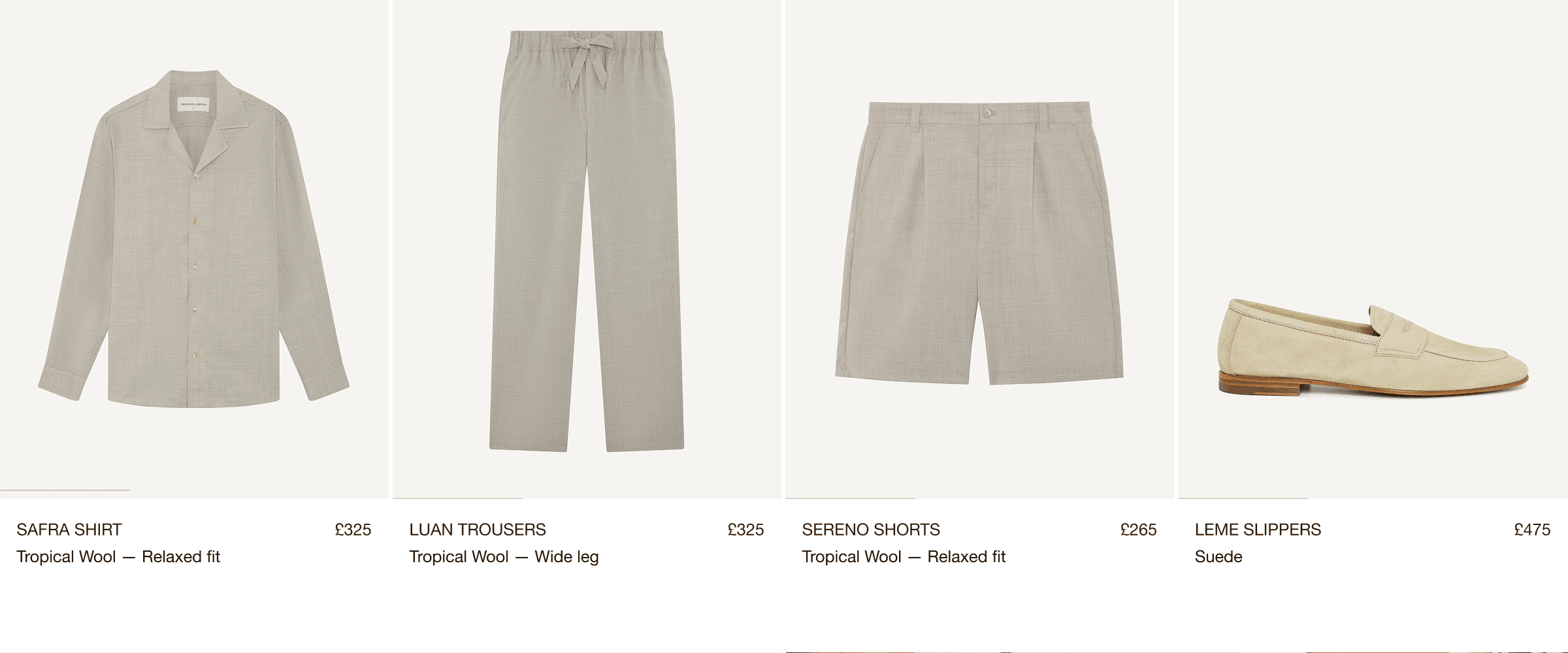
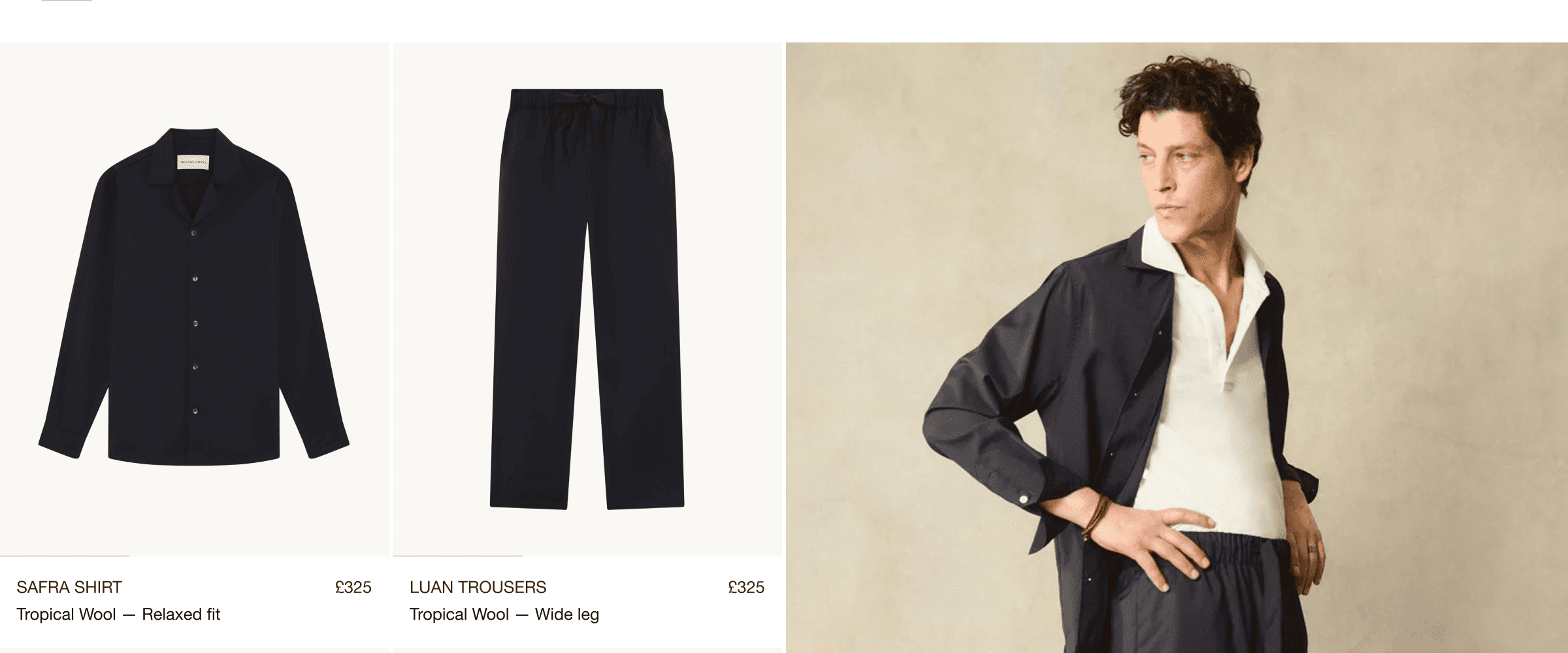
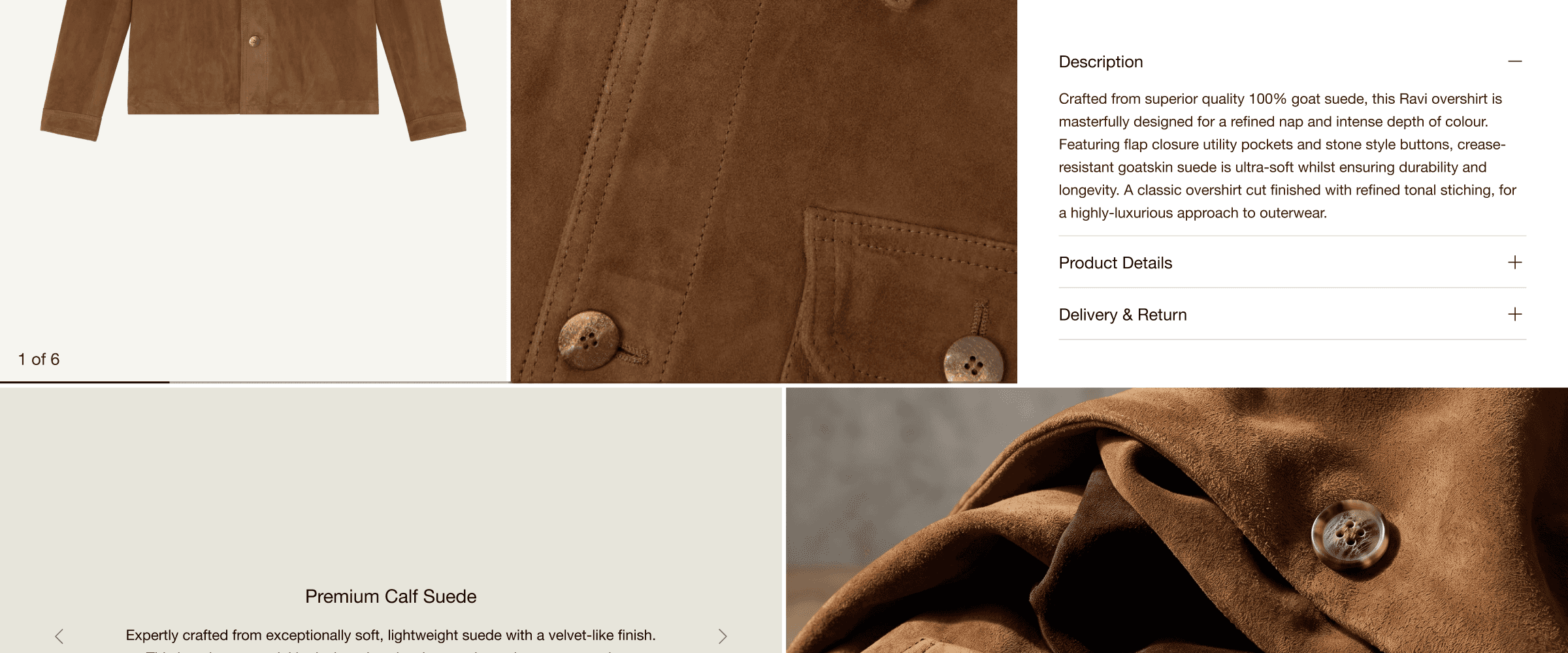
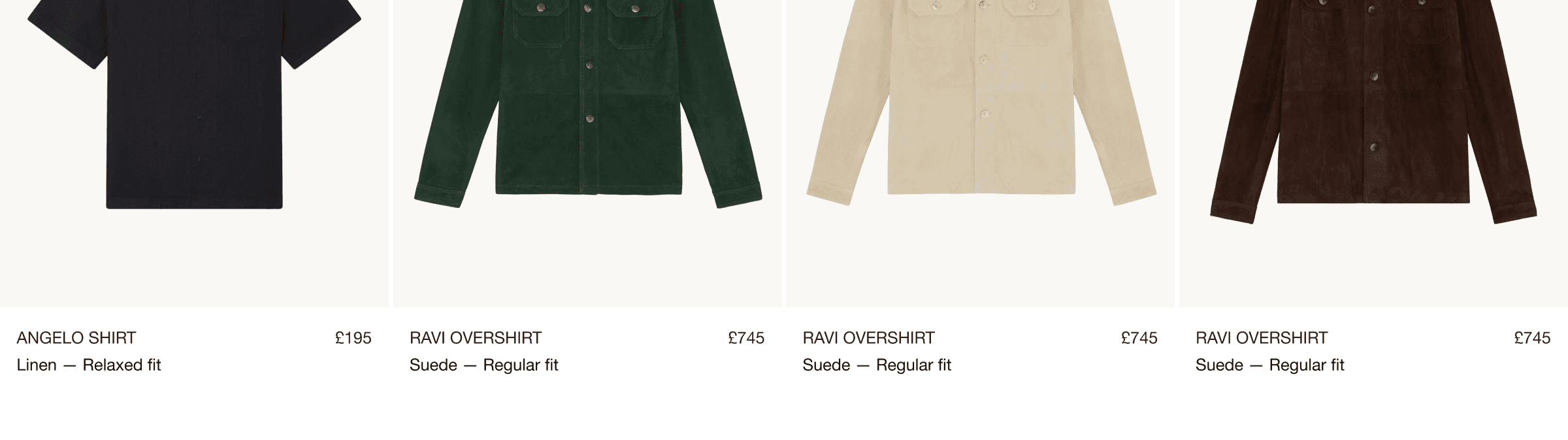
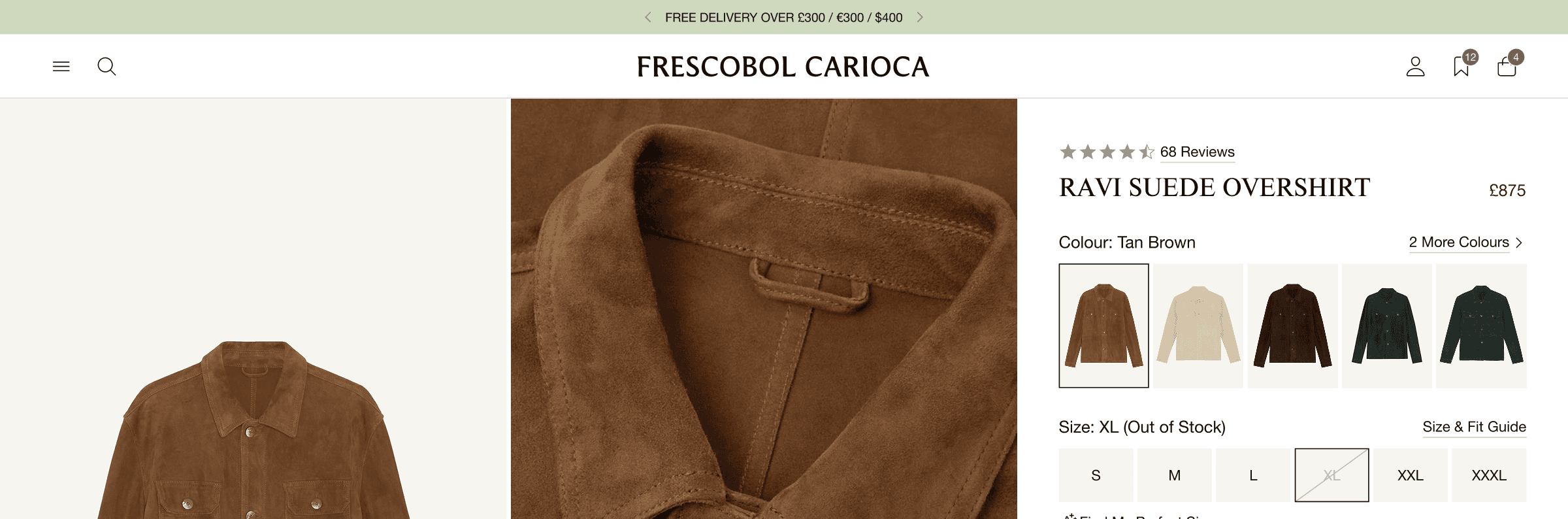
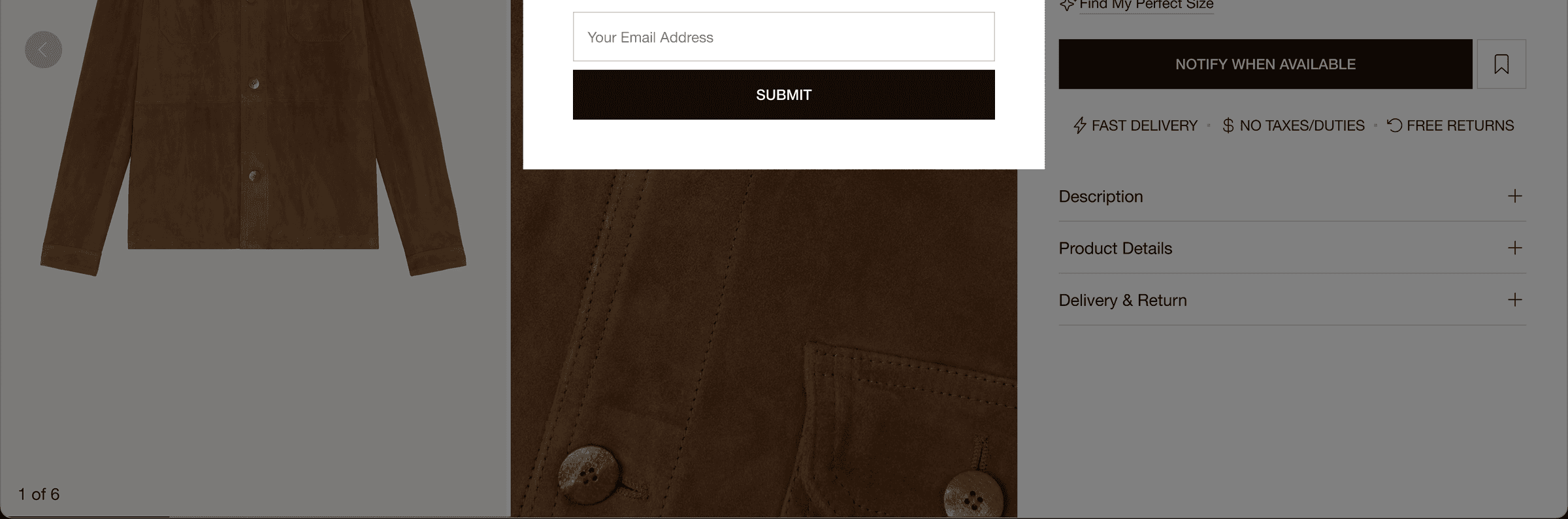
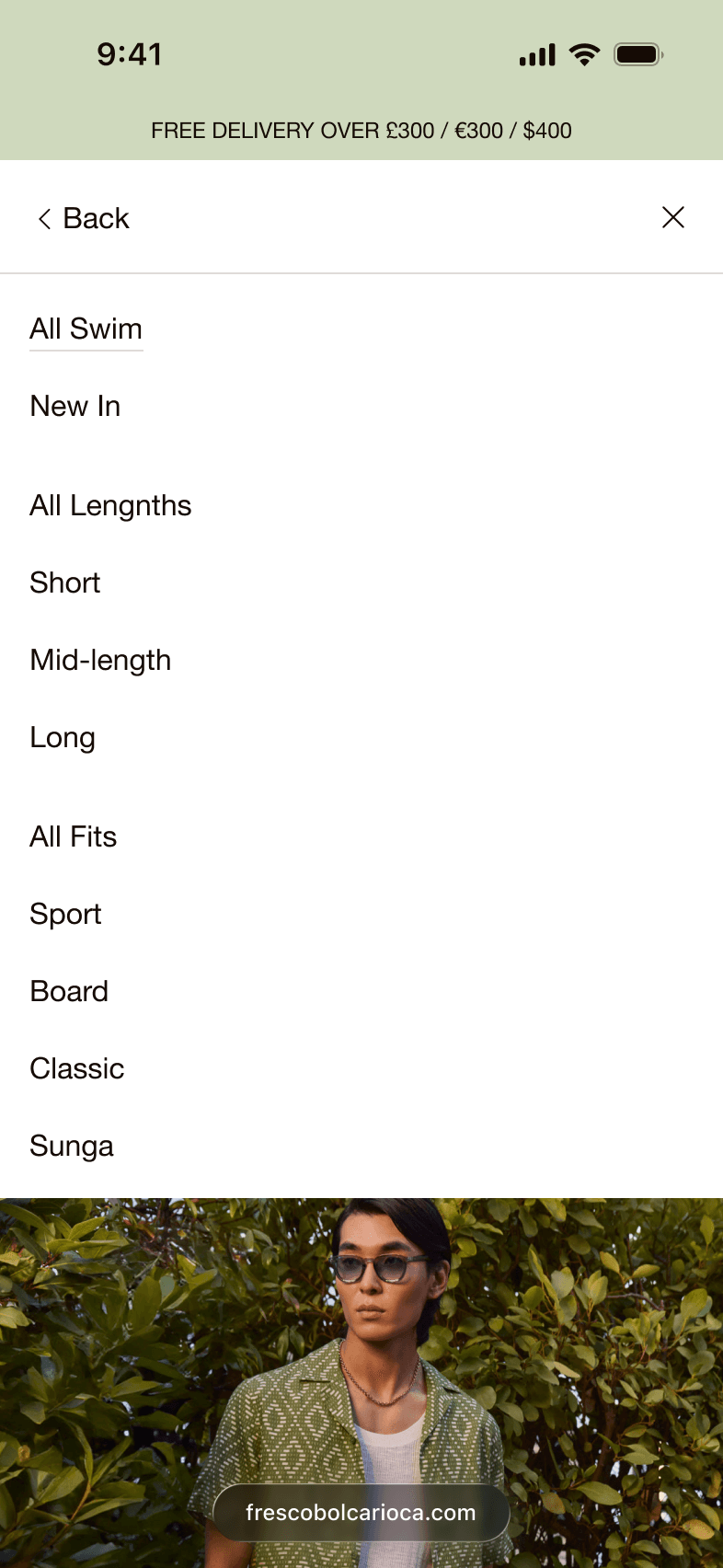
Most of the redesign was about getting the standard flows right. Mega-menu navigation that exposes every category without flattening hierarchy; a PLP grid that switches between 3 and 4 columns under the same filter system; a PDP that keeps photography and purchase controls side by side, with fabric, fit, and sizing in support of the decision rather than competing for attention
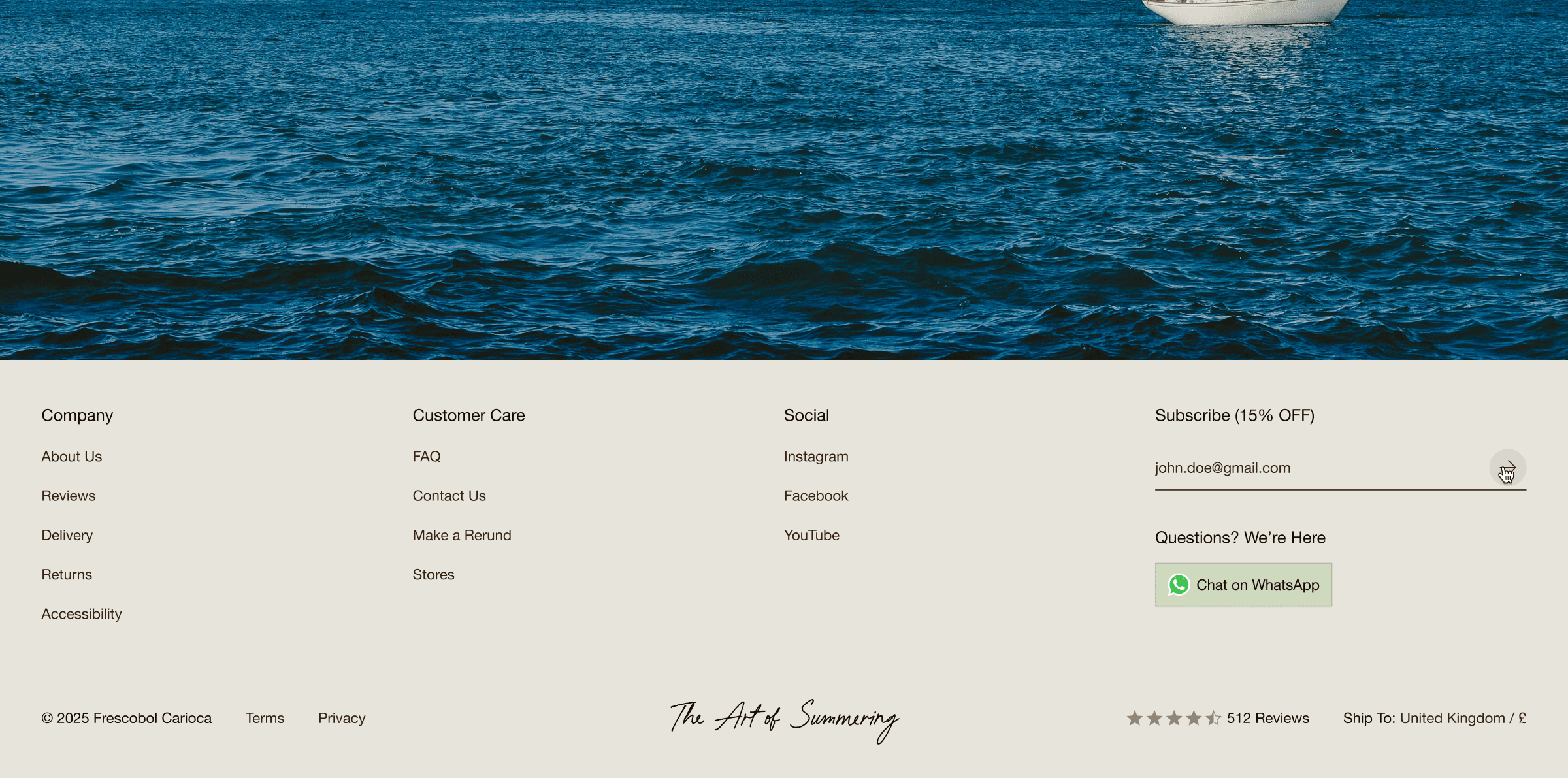
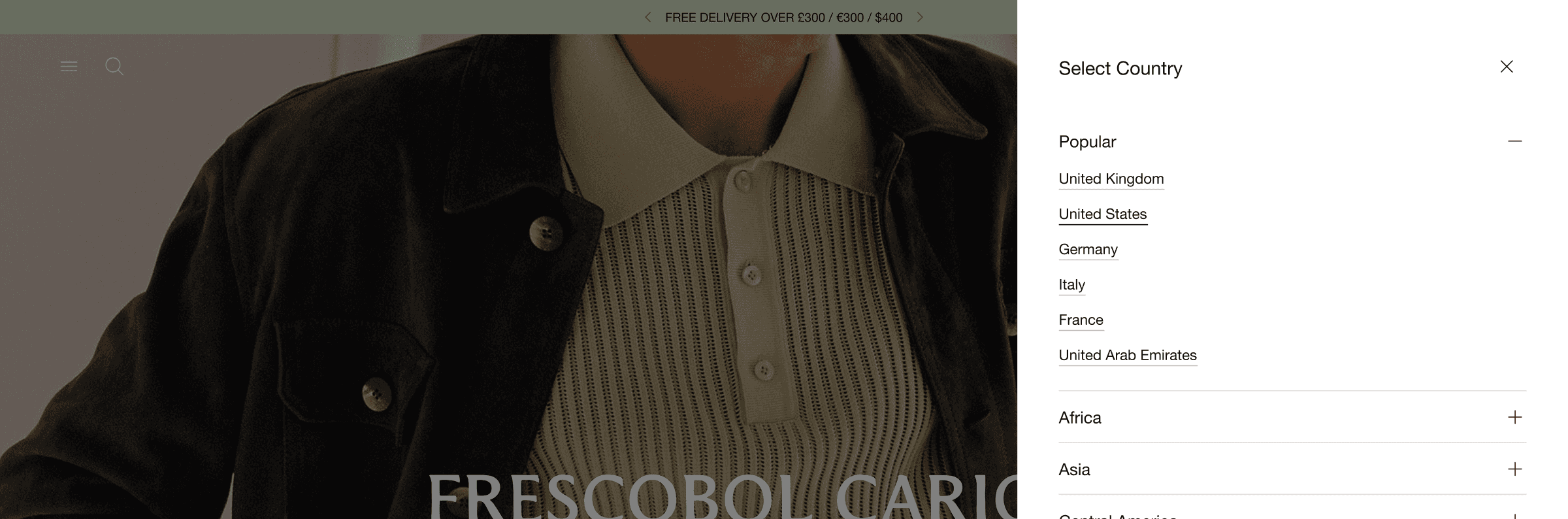
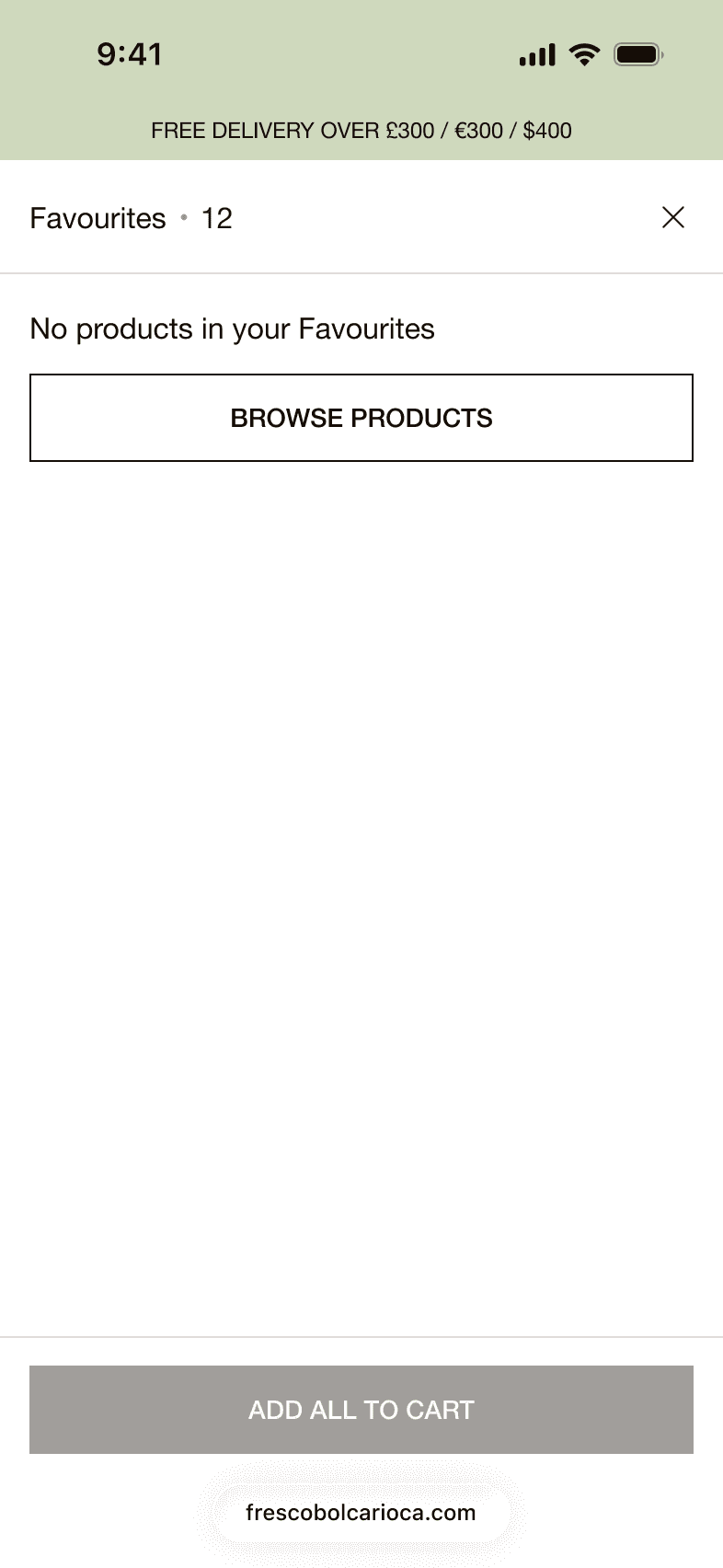
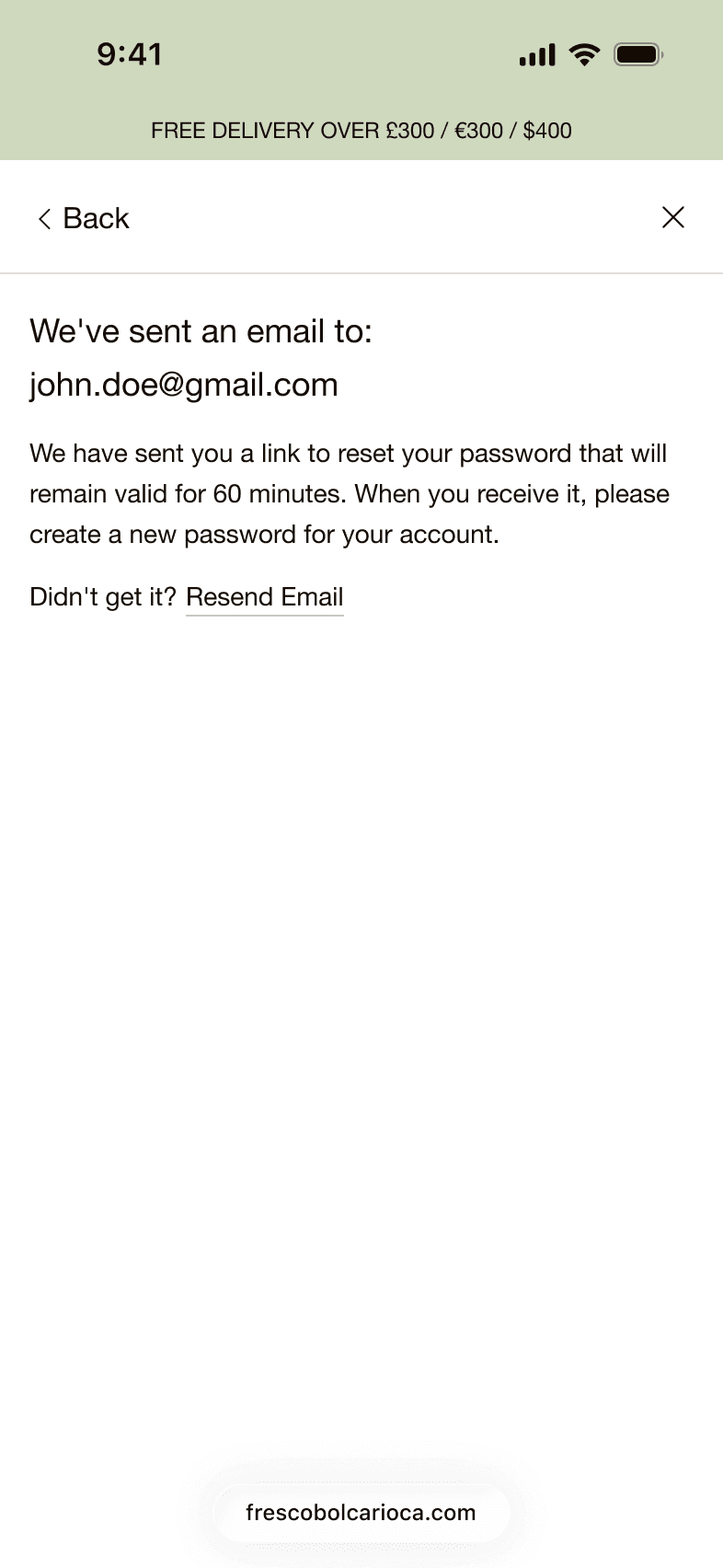
A single drawer pattern carries the utility flows — cart, favourites, search, account, region, password reset, reviews — so they read as one system rather than a stack of unrelated overlays. Filters constrain dynamically as the user selects, no zero-result states by design. None of this was an attempt to reinvent standard e-commerce. The brand needed a luxury site that felt expected on the regular shopping path, so the unusual part could be unusual
The Suitcase Builder
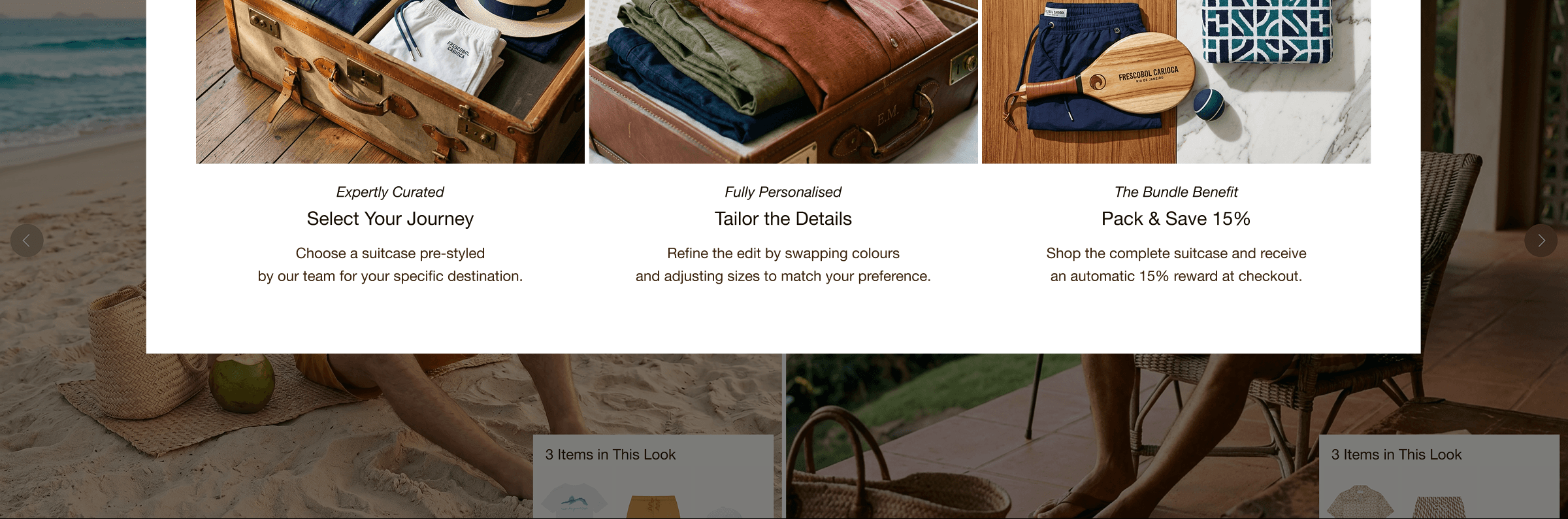
The brand had identified a customer segment — high-value, time-poor travellers — who buy in bundles for resort trips: a few shirts, a couple of swim shorts, an accessory, sometimes a full Beach to Bar set. The proposal was a curated bundle PLP with 10 pre-styled "suitcases" — by Harry Brantly, Max Leese, and the in-house styling team — at a 15% saving when bought as a complete look. The design question was how to make this feel like a styling service, not a bulk-discount mechanic
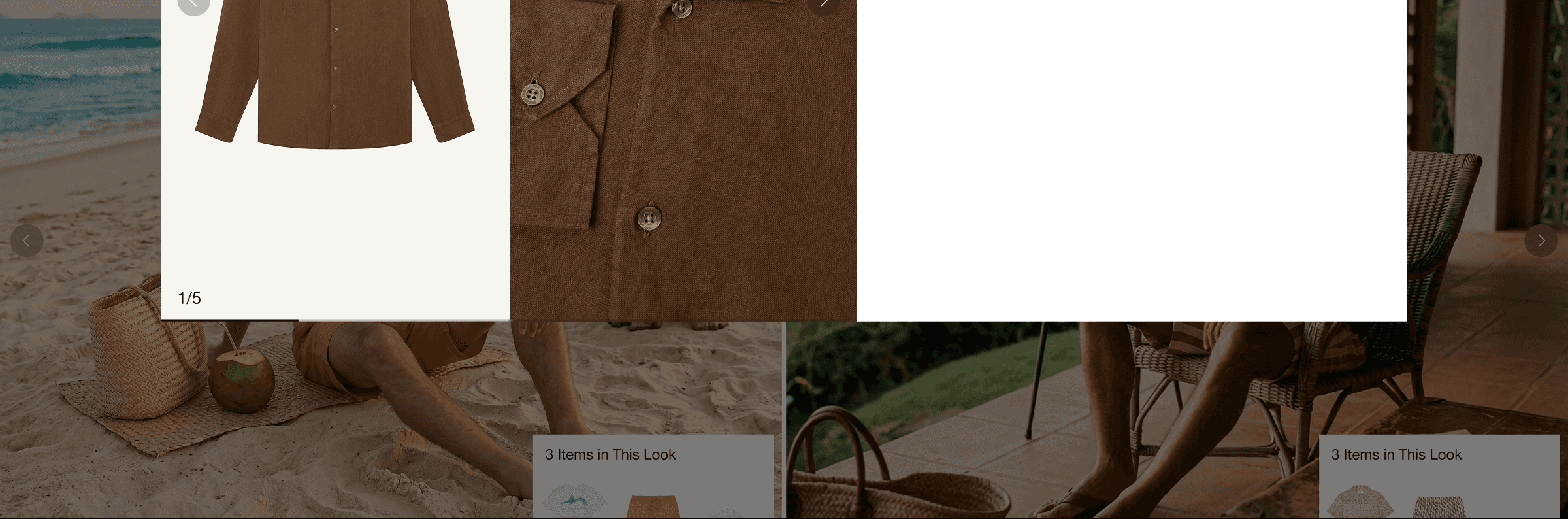
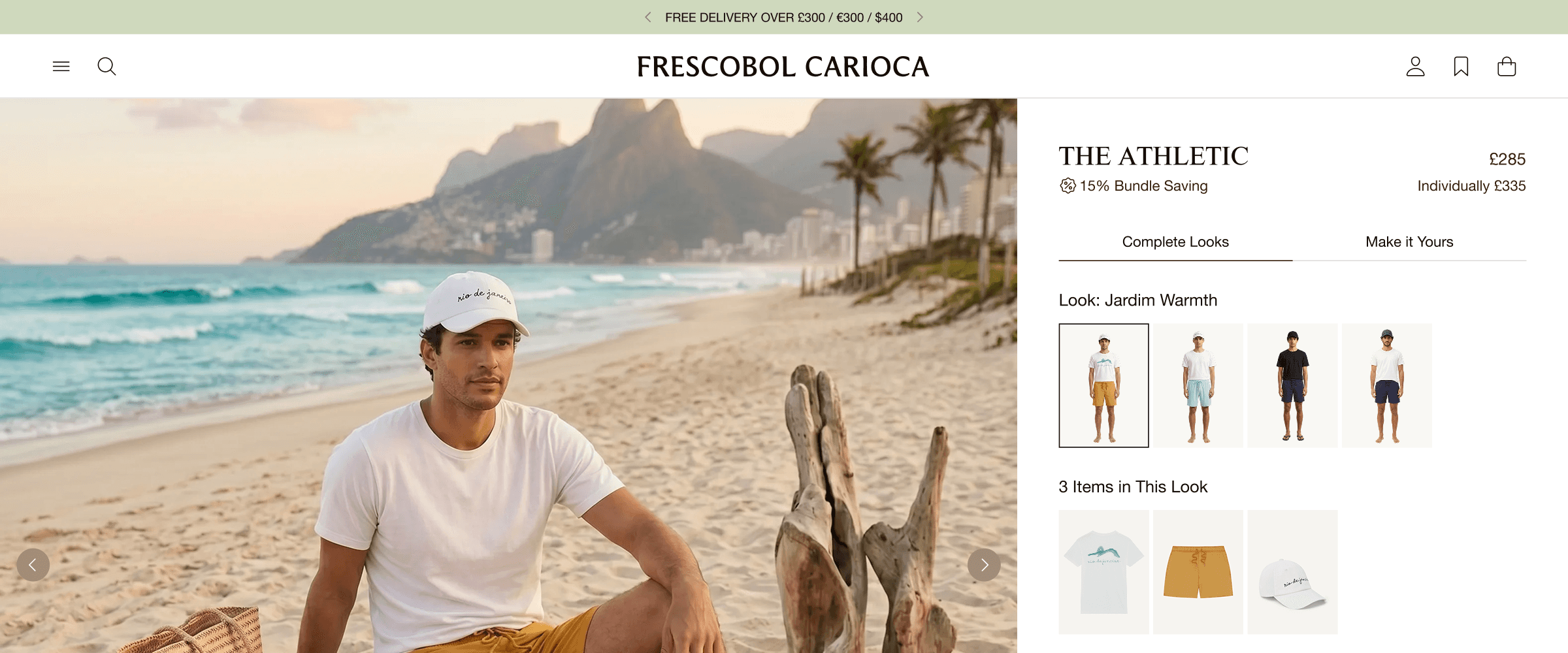
The PLP holds each suitcase as a lifestyle image with a slim contents preview underneath — scalable for 20+ entries without turning the page into a configurator catalog. The suitcase PDP carries the actual purchase logic, split across two tabs: Complete Looks and Make it Yours
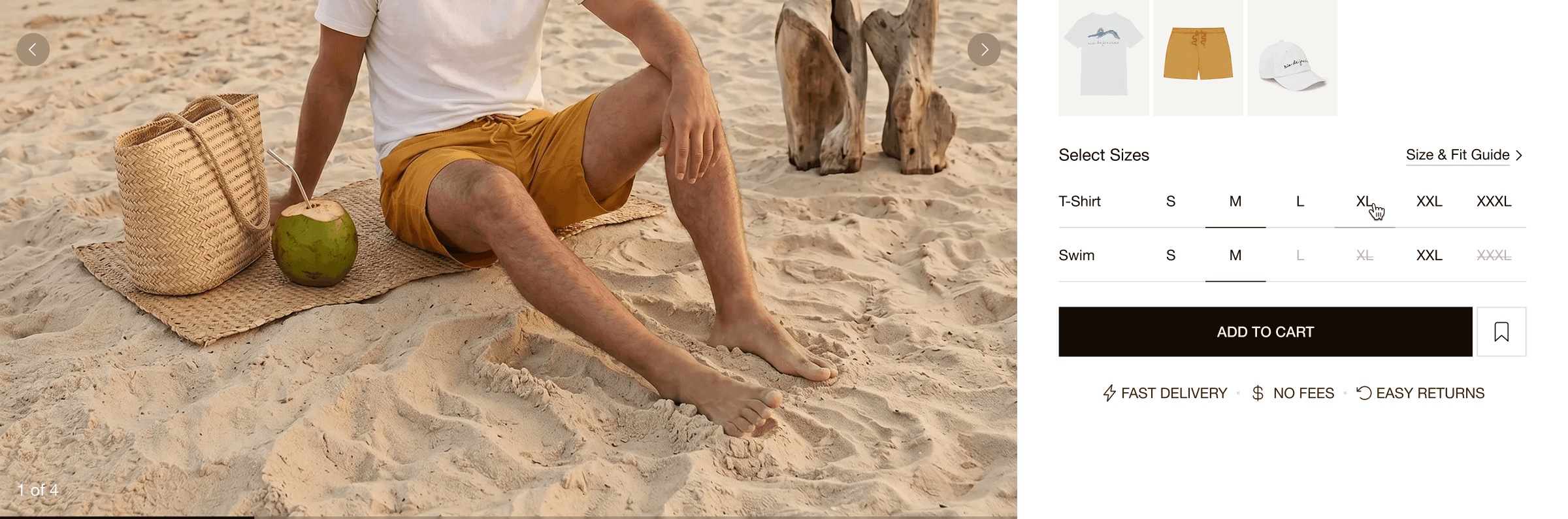
Complete Looks is the zero-decision path. Each suitcase ships with several pre-styled variants — "Jardim Warmth," "Midnight Ease," "Beach to Bar" — and each variant is a finished outfit decision made by the stylist. The customer picks the look they like, picks their size, adds to cart. The stylist made the decisions. The customer made one
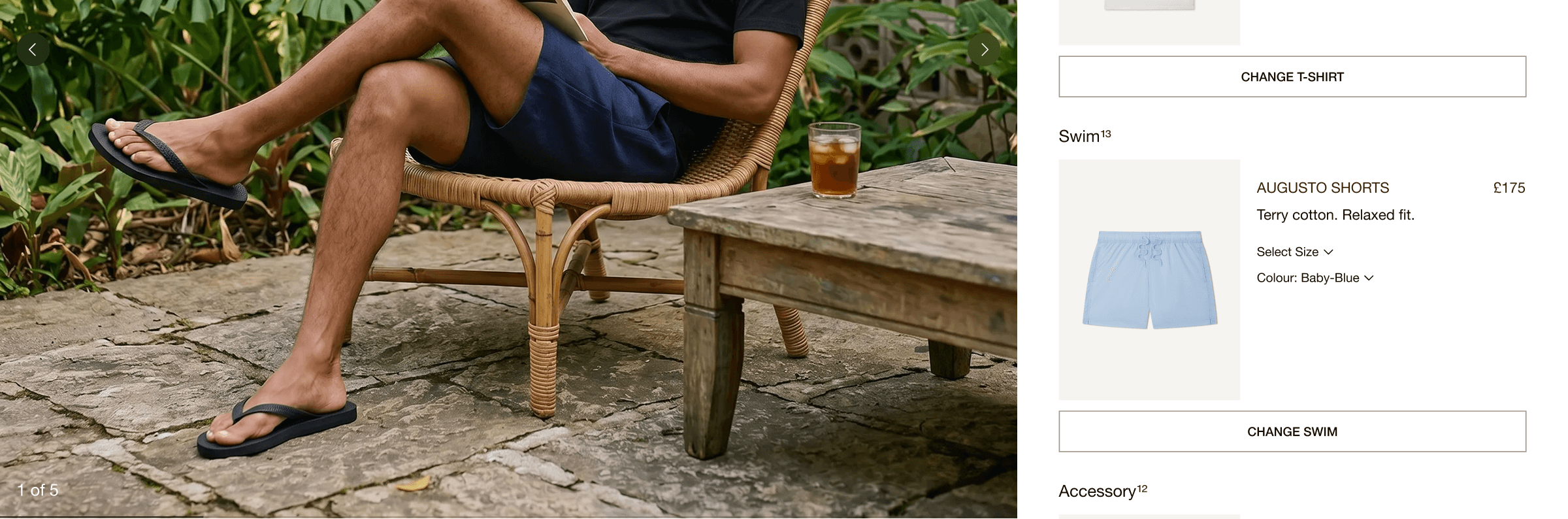
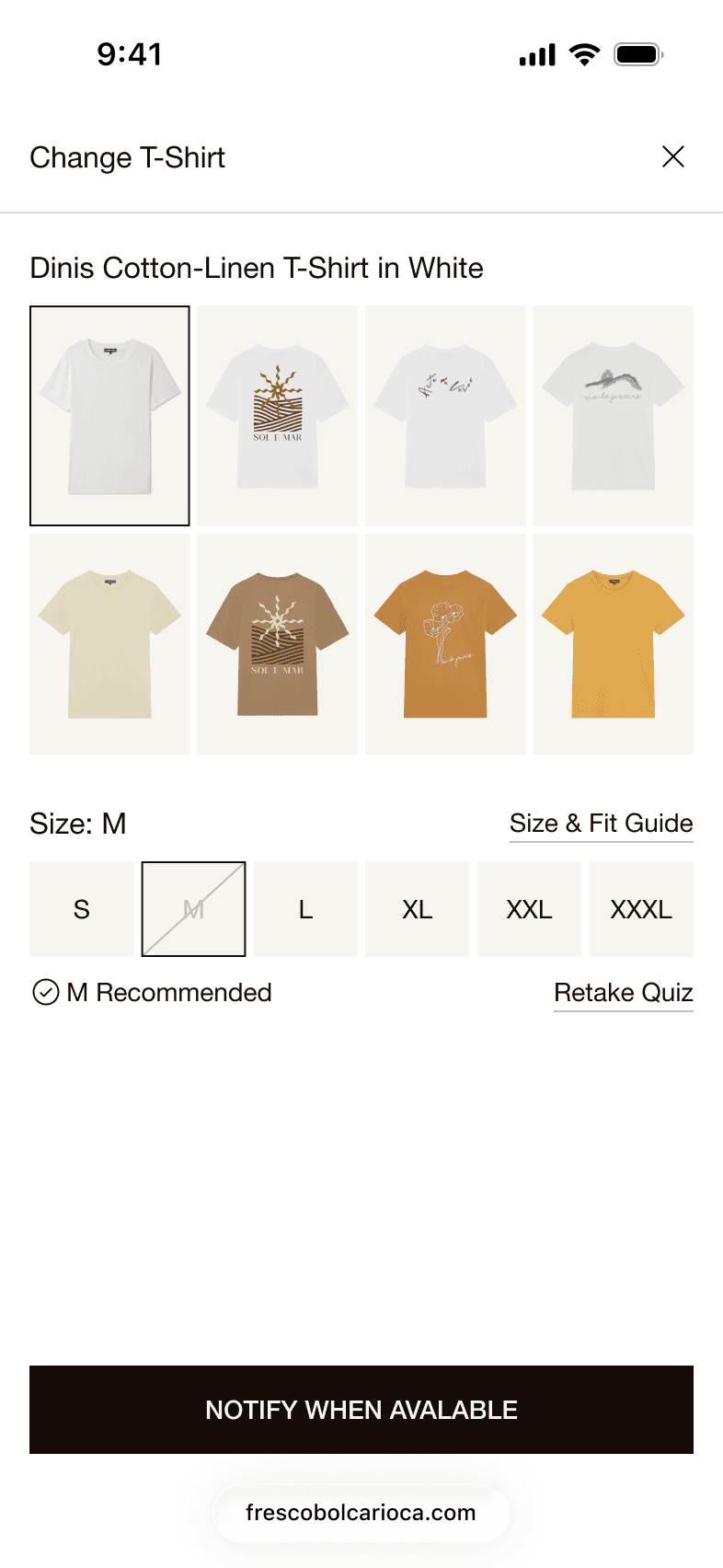
Make it Yours is the same suitcase, opened up. The customer keeps the bundle structure (and the 15%) but swaps within slots — change the t-shirt, change the swim, change the accessory — with size and colour selectable per item. The suitcase doesn't dissolve into individual products; it stays a suitcase, just with the user's choices in it
A full configurator was considered and rejected. With suitcases ranging from 2 to 7 items across different categories with independent sizing systems — a top size doesn't translate to a swim size doesn't translate to flip-flops — free assembly would have made every suitcase feel like a form. The two-tab model keeps both speeds available without forcing the customer through either
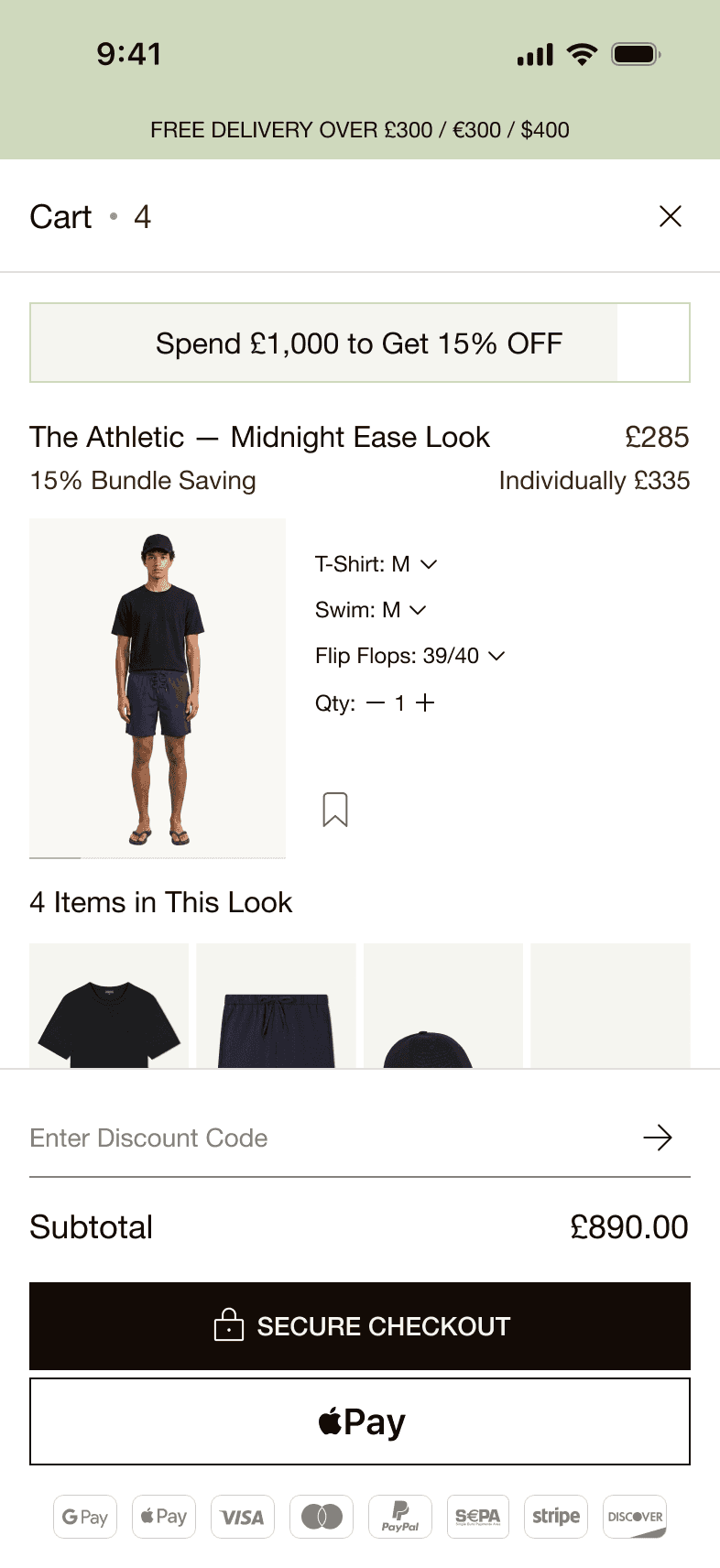
In the cart, suitcases group as a single line: image, look name, items breakdown, one price with the 15% bundle saving visible. The "Remove Suitcase" action removes the whole bundle, not pieces of it, so the suitcase stays a unit until the customer chooses otherwise. A bundle, not a bulk discount
Beach Bats
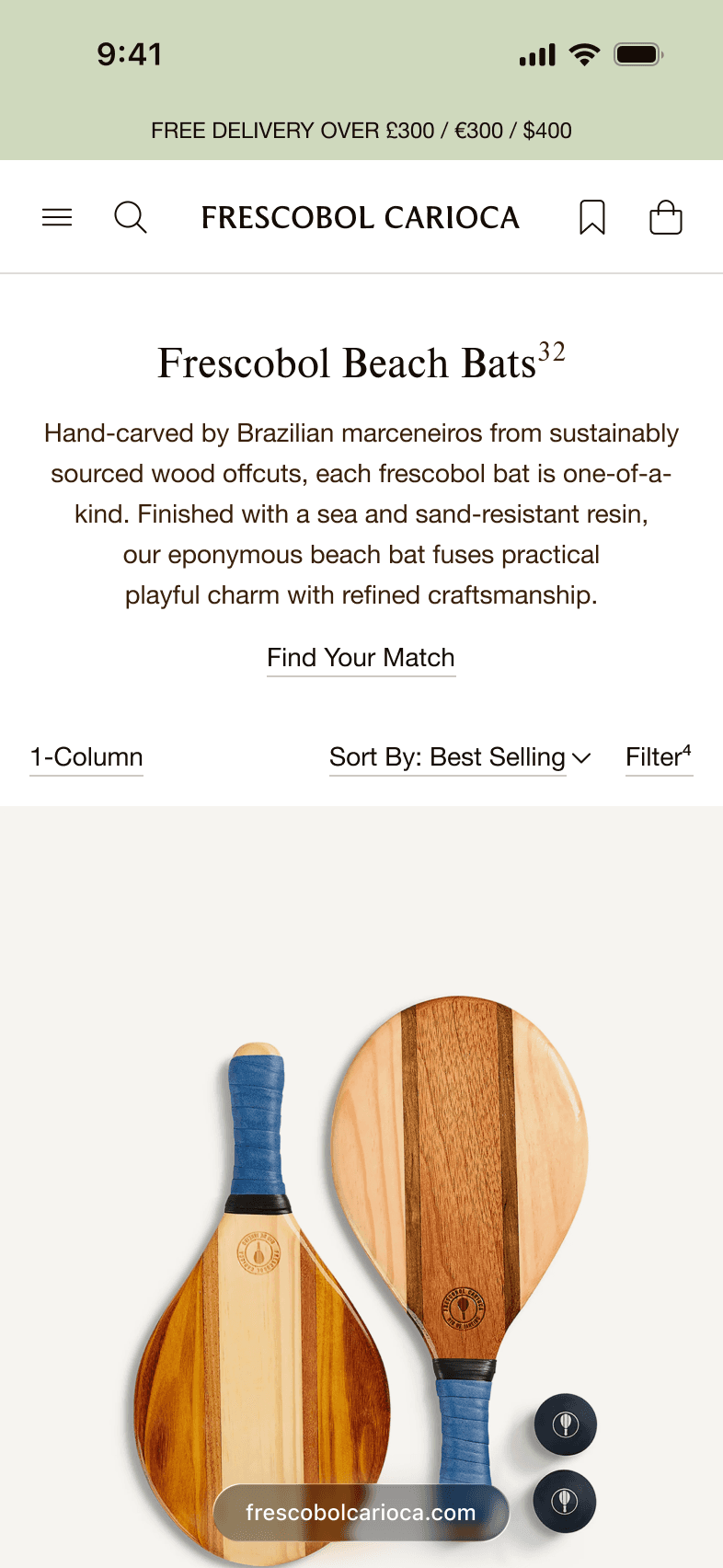
The hand-carved beach bats are the product the brand is named after — the same game founded by the company in 1945, played on Copacabana. They come in three tiers of woodwork at different price points, and they're personalizable
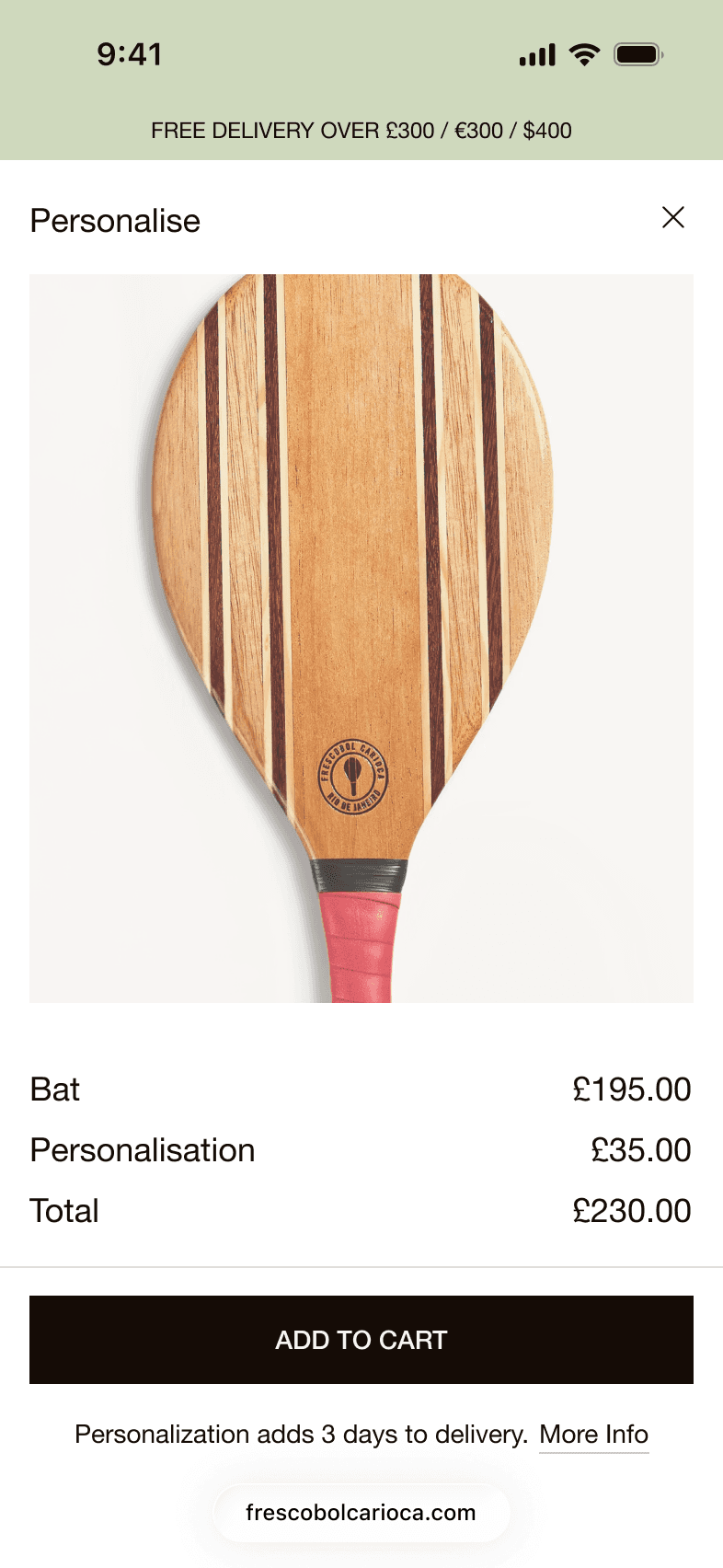
The PLP doesn't have a separate landing page. Bat education sits in a single "Which is Better for Me?" comparison opened from the PLP header, where the three tiers stack side by side with their wood counts and price differences. Personalization lives directly on the PDP — a drawer that takes one or two names, shows them rendered on the bat, and adds three days to delivery. Heritage as product, not as exhibition
What Holds it Together
Three shopping modes — individual products, stylist-curated bundles, and personalizable beach bats — run on the same components. The drawer pattern carries cart, favourites, search, account, region, password reset, and reviews. The product card sits on every grid. The cart logic handles a single shirt the same way it handles a suitcase plus a beach bat plus a swim short, with the bundle price working as a single line item
A mid-build revision to the product card — style name first, descriptive line beneath, after long product names started truncating in production — applied across every grid in one pass. That's not particularly heroic; it's what a shared system is supposed to do. But it's the difference between a luxury site that holds together and the more common outcome, where each section feels like it was designed in a different week
The site is live and in ongoing refinement, with the suitcase feature rolling out in stages. Three ways to buy, on one set of components: a working e-commerce with a new mode inside it that doesn't feel bolted on
Frescobol Carioca — Resortwear Brand E-Commerce
Role
Lead Product Designer
Mode
Sole Ownership via Texture
Scope
Full E-Commerce Redesign
UX Architecture
High-Fidelity UI
Design System
Curated Commerce Logic
Timeline
Aug 2022 — Aug 2024
Figma
Live
Login-Only
Overview
Frescobol Carioca is a London-born resortwear house with Brazilian roots — apparel, swim, footwear, and the hand-carved beach bats it's named for. The work was a full e-commerce redesign through Texture, the agency that handles the brand's design. Most of it was familiar territory: a working luxury site that needed to be rebuilt around clearer hierarchy and a tighter system. The exception was a new commercial mode — pre-styled "suitcases" sold as bundles, curated by in-house stylists, at a 15% discount — that had to live alongside the regular catalog without disrupting it
The Shopping System
Most of the redesign was about getting the standard flows right. Mega-menu navigation that exposes every category without flattening hierarchy; a PLP grid that switches between 3 and 4 columns under the same filter system; a PDP that keeps photography and purchase controls side by side, with fabric, fit, and sizing in support of the decision rather than competing for attention
A single drawer pattern carries the utility flows — cart, favourites, search, account, region, password reset, reviews — so they read as one system rather than a stack of unrelated overlays. Filters constrain dynamically as the user selects, no zero-result states by design. None of this was an attempt to reinvent standard e-commerce. The brand needed a luxury site that felt expected on the regular shopping path, so the unusual part could be unusual
The Suitcase Builder
The brand had identified a customer segment — high-value, time-poor travellers — who buy in bundles for resort trips: a few shirts, a couple of swim shorts, an accessory, sometimes a full Beach to Bar set. The proposal was a curated bundle PLP with 10 pre-styled "suitcases" — by Harry Brantly, Max Leese, and the in-house styling team — at a 15% saving when bought as a complete look. The design question was how to make this feel like a styling service, not a bulk-discount mechanic
The PLP holds each suitcase as a lifestyle image with a slim contents preview underneath — scalable for 20+ entries without turning the page into a configurator catalog. The suitcase PDP carries the actual purchase logic, split across two tabs: Complete Looks and Make it Yours
Complete Looks is the zero-decision path. Each suitcase ships with several pre-styled variants — "Jardim Warmth," "Midnight Ease," "Beach to Bar" — and each variant is a finished outfit decision made by the stylist. The customer picks the look they like, picks their size, adds to cart. The stylist made the decisions. The customer made one
Make it Yours is the same suitcase, opened up. The customer keeps the bundle structure (and the 15%) but swaps within slots — change the t-shirt, change the swim, change the accessory — with size and colour selectable per item. The suitcase doesn't dissolve into individual products; it stays a suitcase, just with the user's choices in it
A full configurator was considered and rejected. With suitcases ranging from 2 to 7 items across different categories with independent sizing systems — a top size doesn't translate to a swim size doesn't translate to flip-flops — free assembly would have made every suitcase feel like a form. The two-tab model keeps both speeds available without forcing the customer through either
In the cart, suitcases group as a single line: image, look name, items breakdown, one price with the 15% bundle saving visible. The "Remove Suitcase" action removes the whole bundle, not pieces of it, so the suitcase stays a unit until the customer chooses otherwise. A bundle, not a bulk discount
Beach Bats
The hand-carved beach bats are the product the brand is named after — the same game founded by the company in 1945, played on Copacabana. They come in three tiers of woodwork at different price points, and they're personalizable
The PLP doesn't have a separate landing page. Bat education sits in a single "Which is Better for Me?" comparison opened from the PLP header, where the three tiers stack side by side with their wood counts and price differences. Personalization lives directly on the PDP — a drawer that takes one or two names, shows them rendered on the bat, and adds three days to delivery. Heritage as product, not as exhibition
What Holds it Together
Three shopping modes — individual products, stylist-curated bundles, and personalizable beach bats — run on the same components. The drawer pattern carries cart, favourites, search, account, region, password reset, and reviews. The product card sits on every grid. The cart logic handles a single shirt the same way it handles a suitcase plus a beach bat plus a swim short, with the bundle price working as a single line item
A mid-build revision to the product card — style name first, descriptive line beneath, after long product names started truncating in production — applied across every grid in one pass. That's not particularly heroic; it's what a shared system is supposed to do. But it's the difference between a luxury site that holds together and the more common outcome, where each section feels like it was designed in a different week
The site is live and in ongoing refinement, with the suitcase feature rolling out in stages. Three ways to buy, on one set of components: a working e-commerce with a new mode inside it that doesn't feel bolted on
Frescobol Carioca — Resortwear Brand E-Commerce
Role
Lead Product Designer
Mode
Sole Ownership via Texture
Scope
Full E-Commerce Redesign
UX Architecture
High-Fidelity UI
Design System
Curated Commerce Logic
Timeline
Aug 2022 — Aug 2024
Figma
Live
Login-Only
Overview
Frescobol Carioca is a London-born resortwear house with Brazilian roots — apparel, swim, footwear, and the hand-carved beach bats it's named for. The work was a full e-commerce redesign through Texture, the agency that handles the brand's design. Most of it was familiar territory: a working luxury site that needed to be rebuilt around clearer hierarchy and a tighter system. The exception was a new commercial mode — pre-styled "suitcases" sold as bundles, curated by in-house stylists, at a 15% discount — that had to live alongside the regular catalog without disrupting it
Read More
Frescobol Carioca — Resortwear Brand E-Commerce
Role
Lead Product Designer
Mode
Sole Ownership via Texture
Scope
Full E-Commerce Redesign
UX Architecture
High-Fidelity UI
Design System
Curated Commerce Logic
Timeline
Aug 2022 — Aug 2024
Figma
Live
Login-Only
Overview
Frescobol Carioca is a London-born resortwear house with Brazilian roots — apparel, swim, footwear, and the hand-carved beach bats it's named for. The work was a full e-commerce redesign through Texture, the agency that handles the brand's design. Most of it was familiar territory: a working luxury site that needed to be rebuilt around clearer hierarchy and a tighter system. The exception was a new commercial mode — pre-styled "suitcases" sold as bundles, curated by in-house stylists, at a 15% discount — that had to live alongside the regular catalog without disrupting it
Read More
Desktop UI
Mobile UI
Desktop UI
Mobile UI
Desktop UI
Mobile UI
Home




Shop Mega Menu


Search Drawer


Shop



Shop -> Product Detail









Home



Suitcase Shop -> Product Detail






Beach Bats Shop


Beach Bats Shop -> Product Detail


Cart Drawer


Favourites Drawer

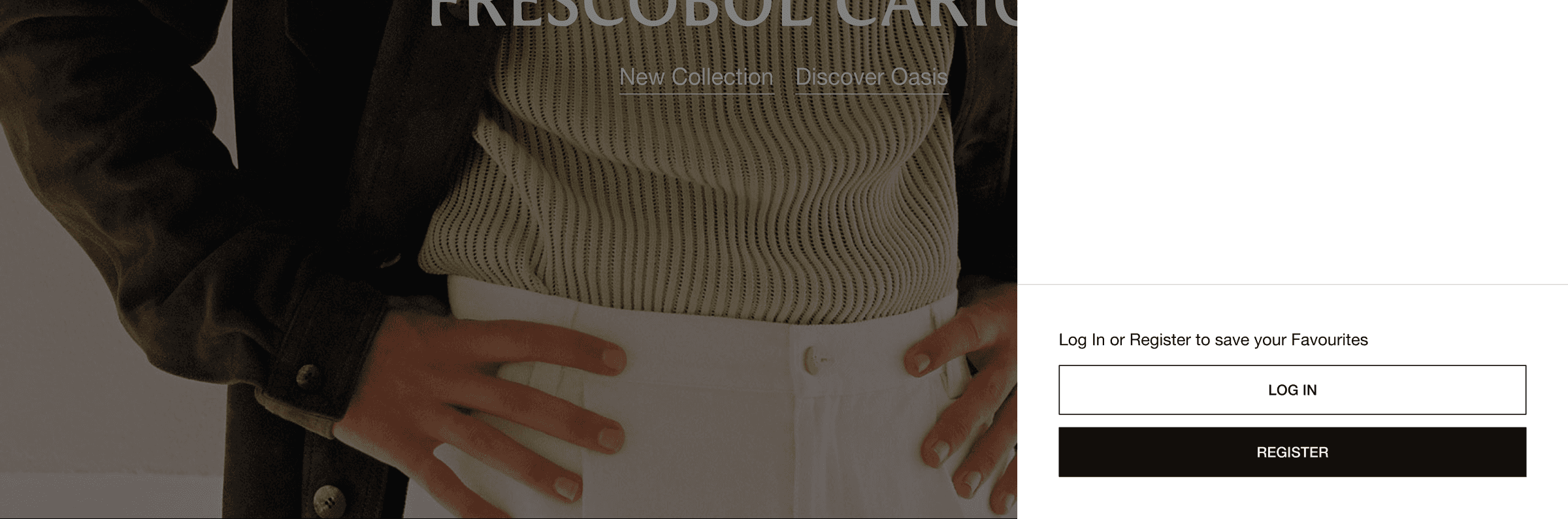


Account Drawer




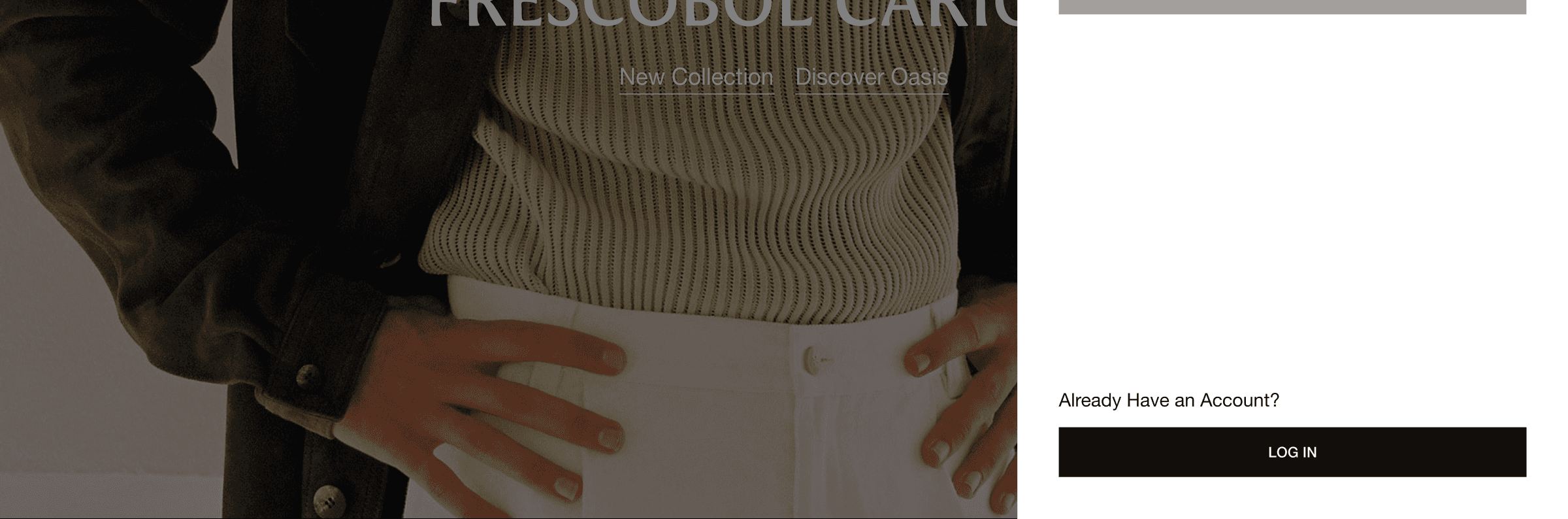
My Account
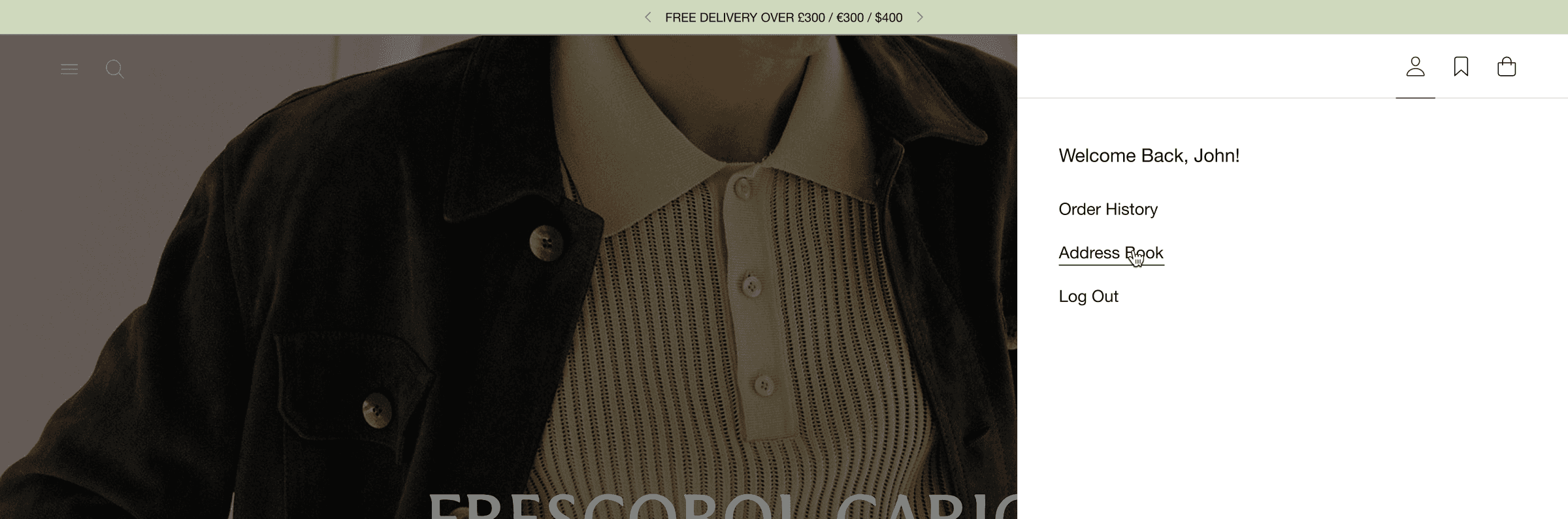


The Carioca Post


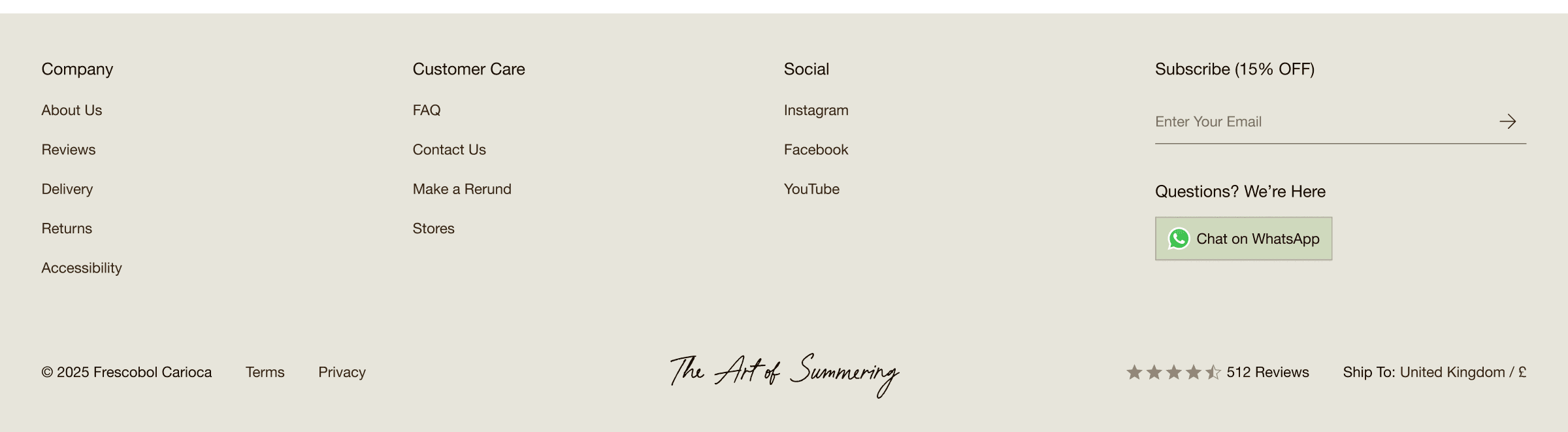


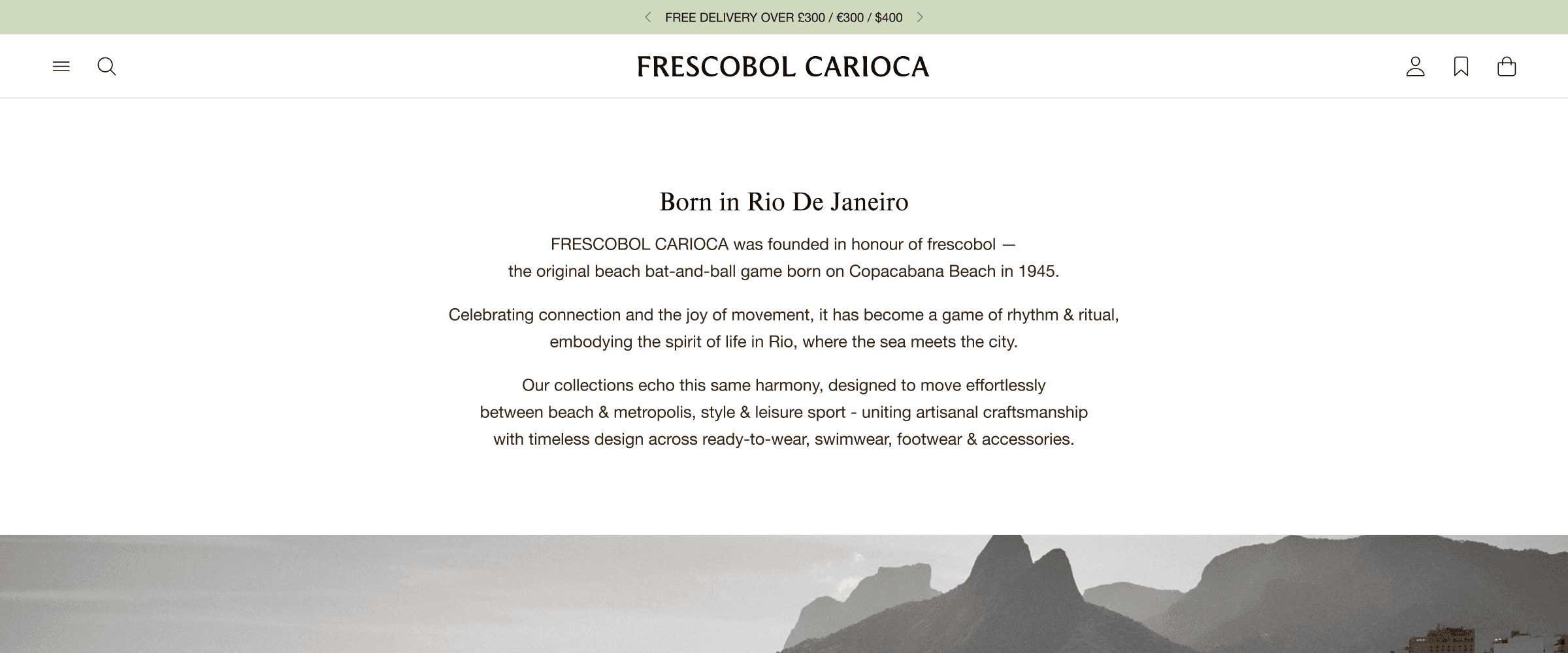
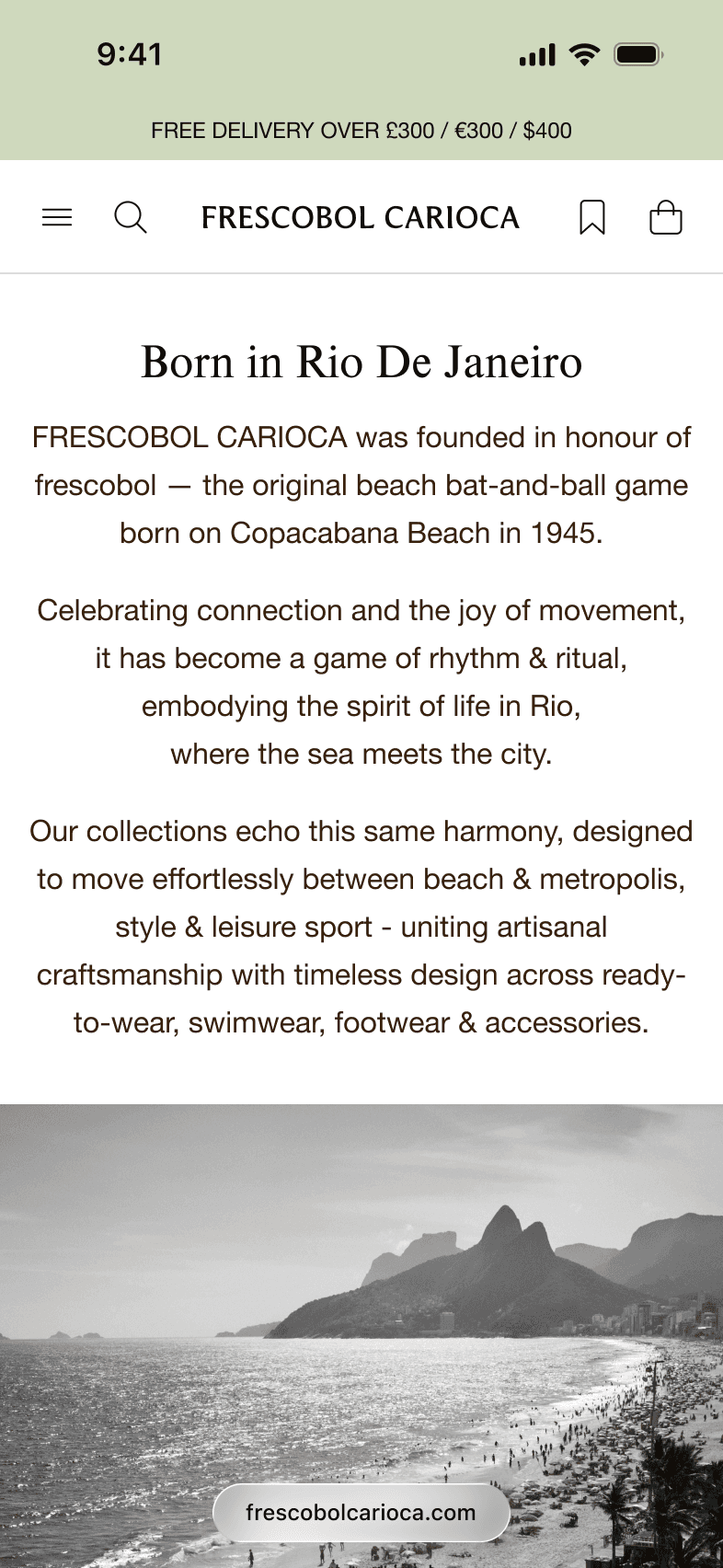
About Us


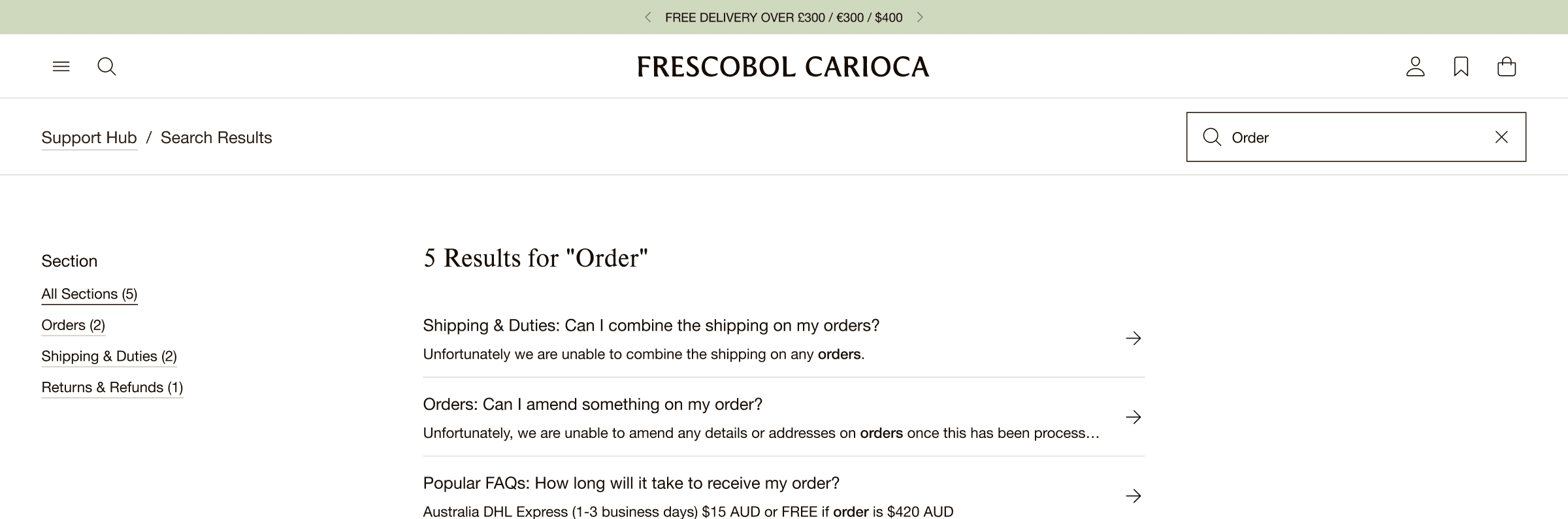
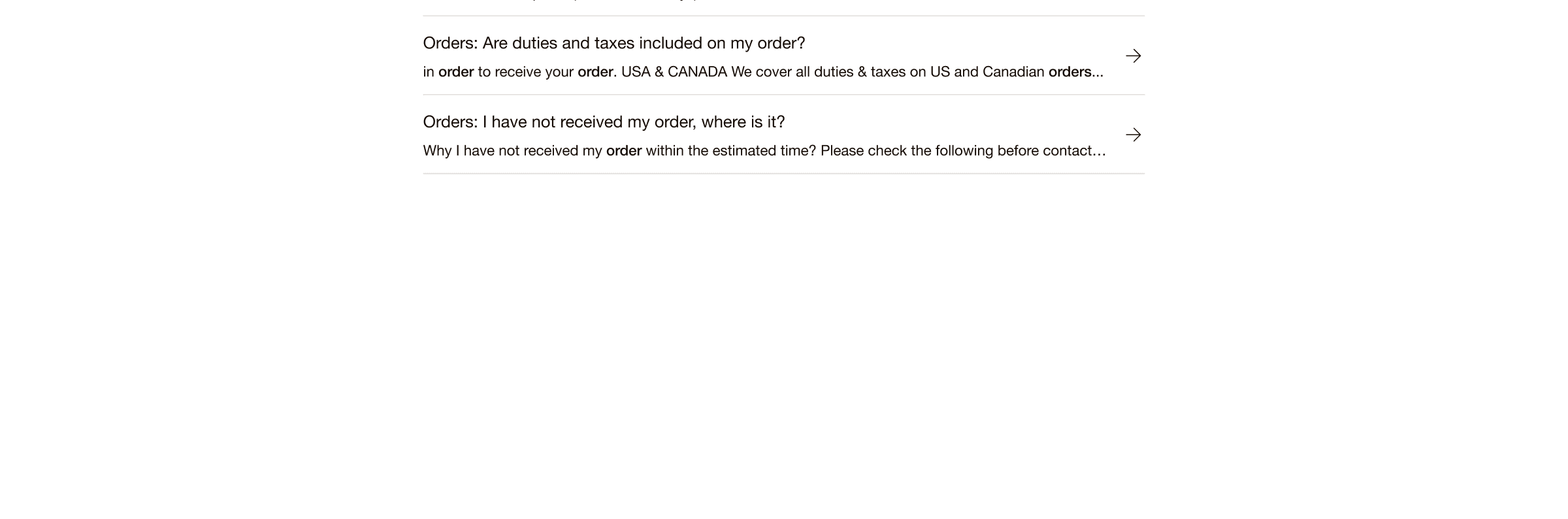
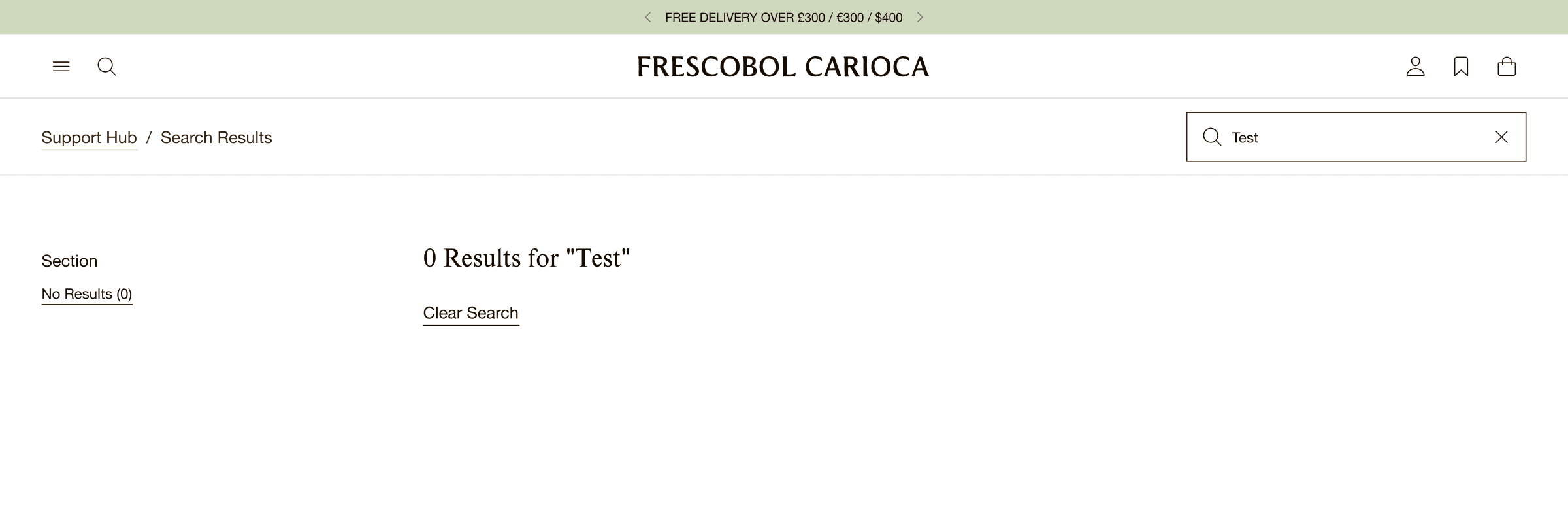
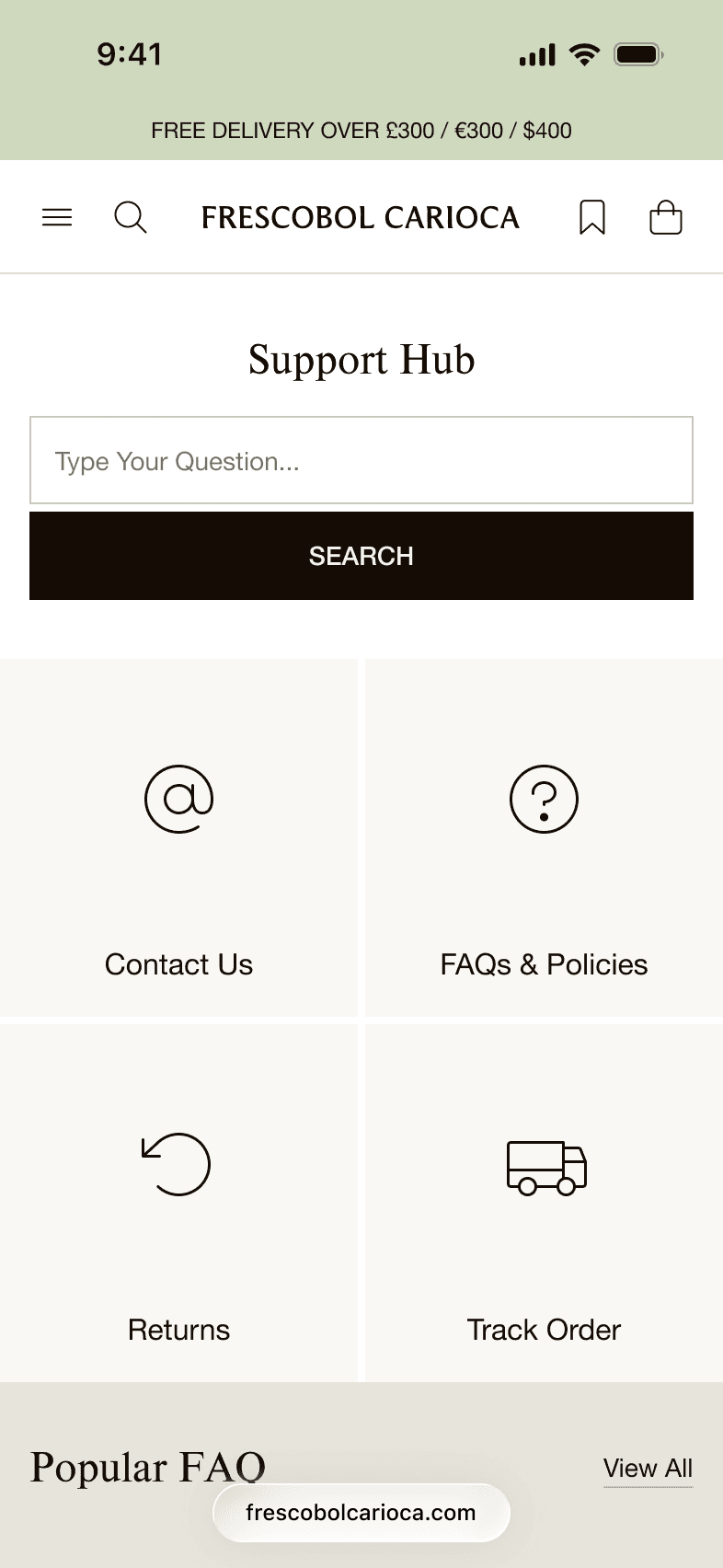
Support Hub




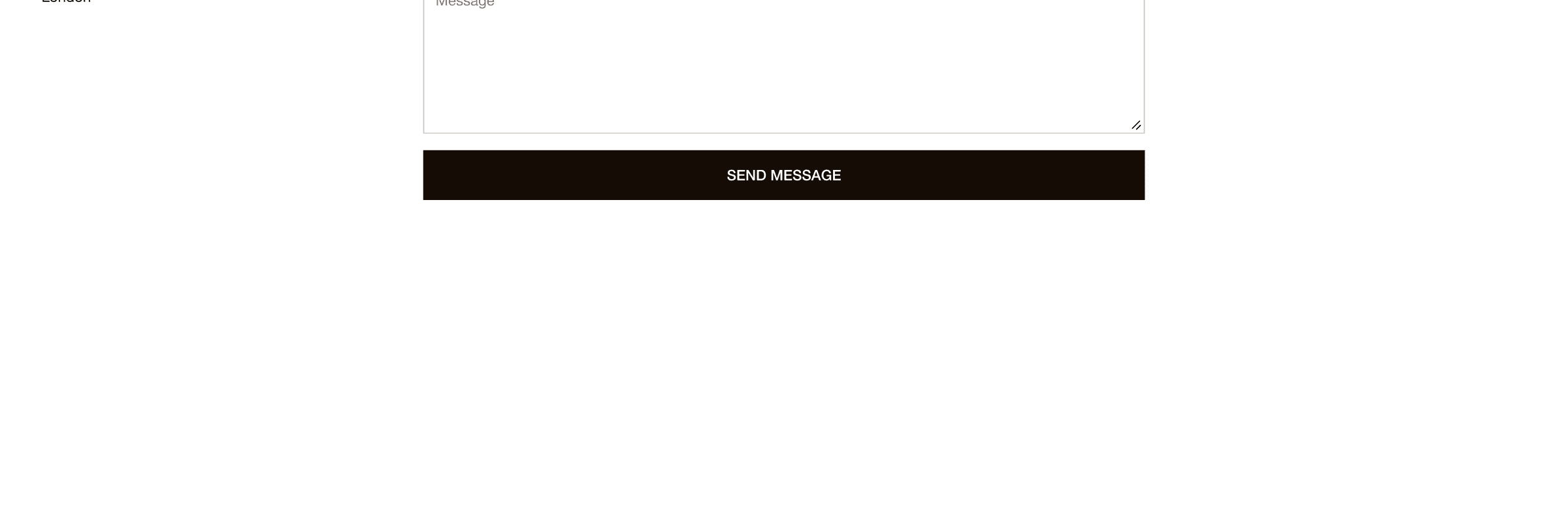
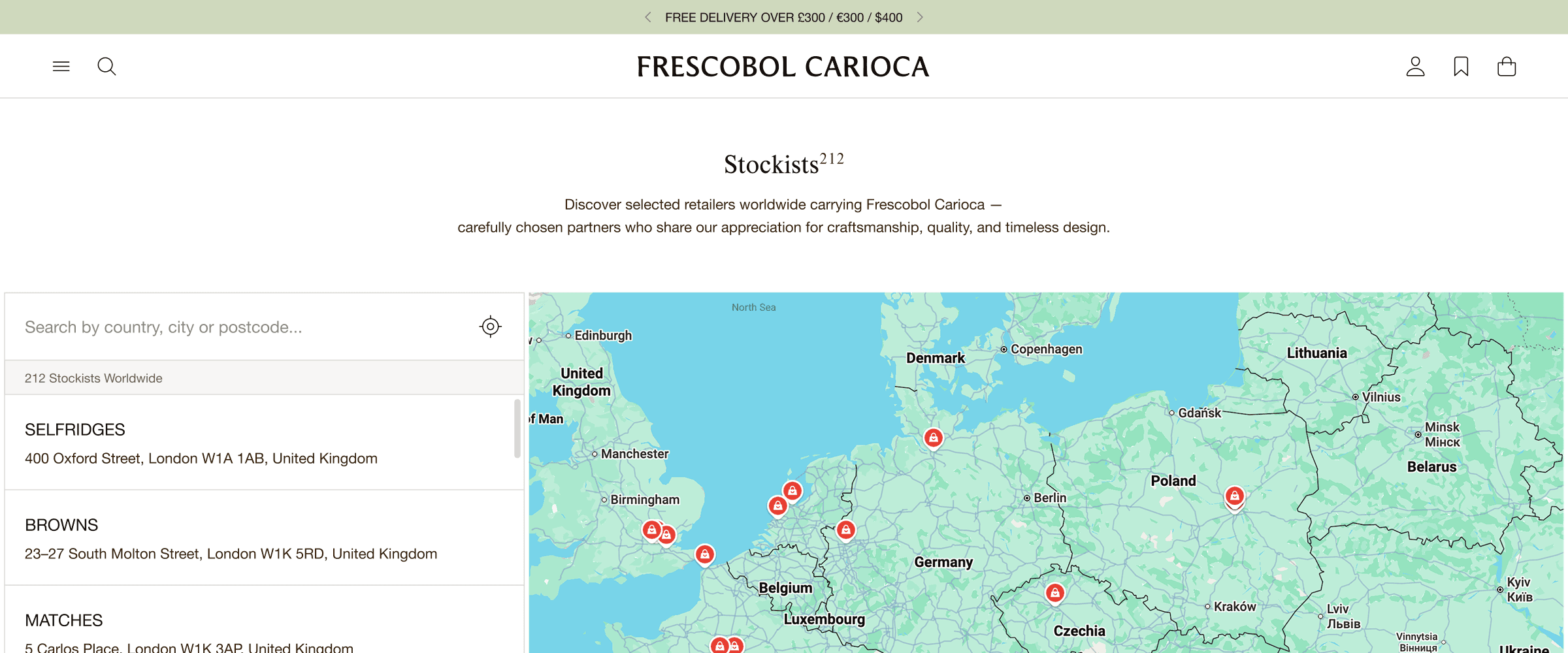
Stockists


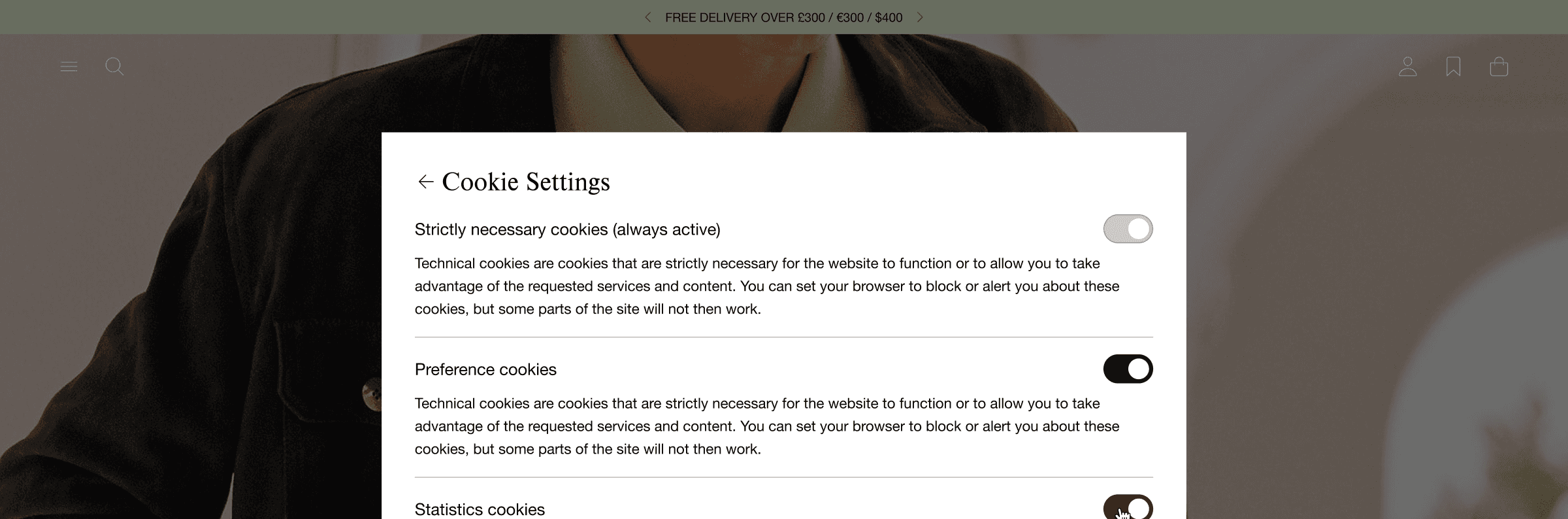
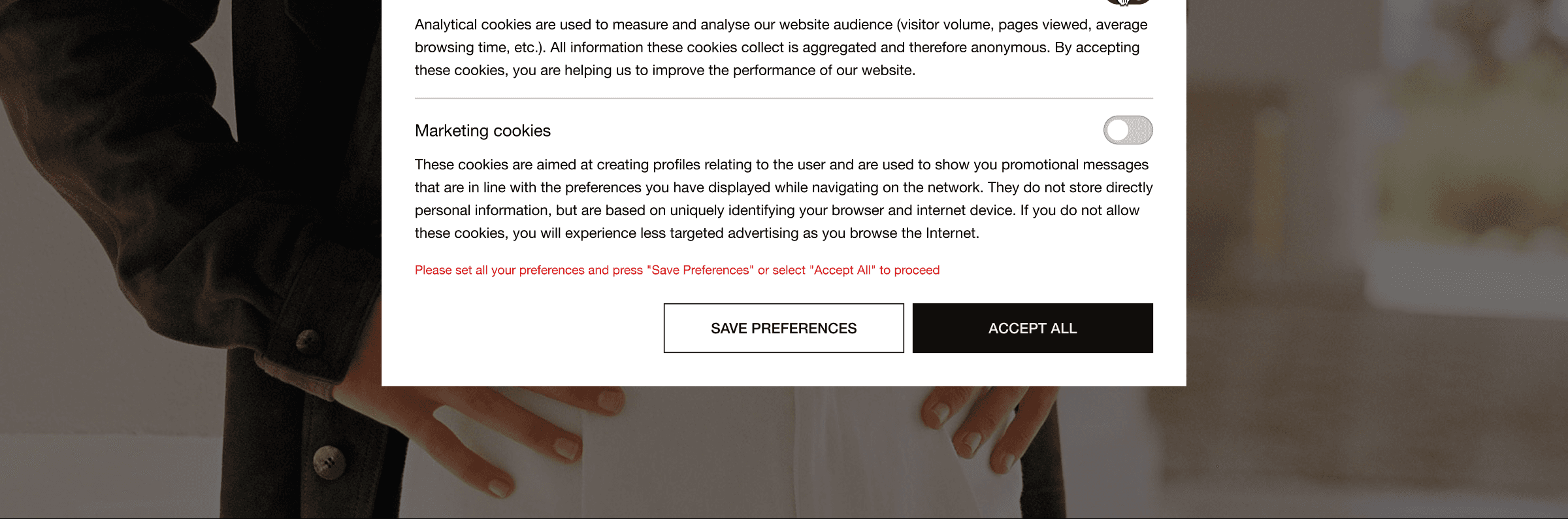
Popups


Select Region Drawer

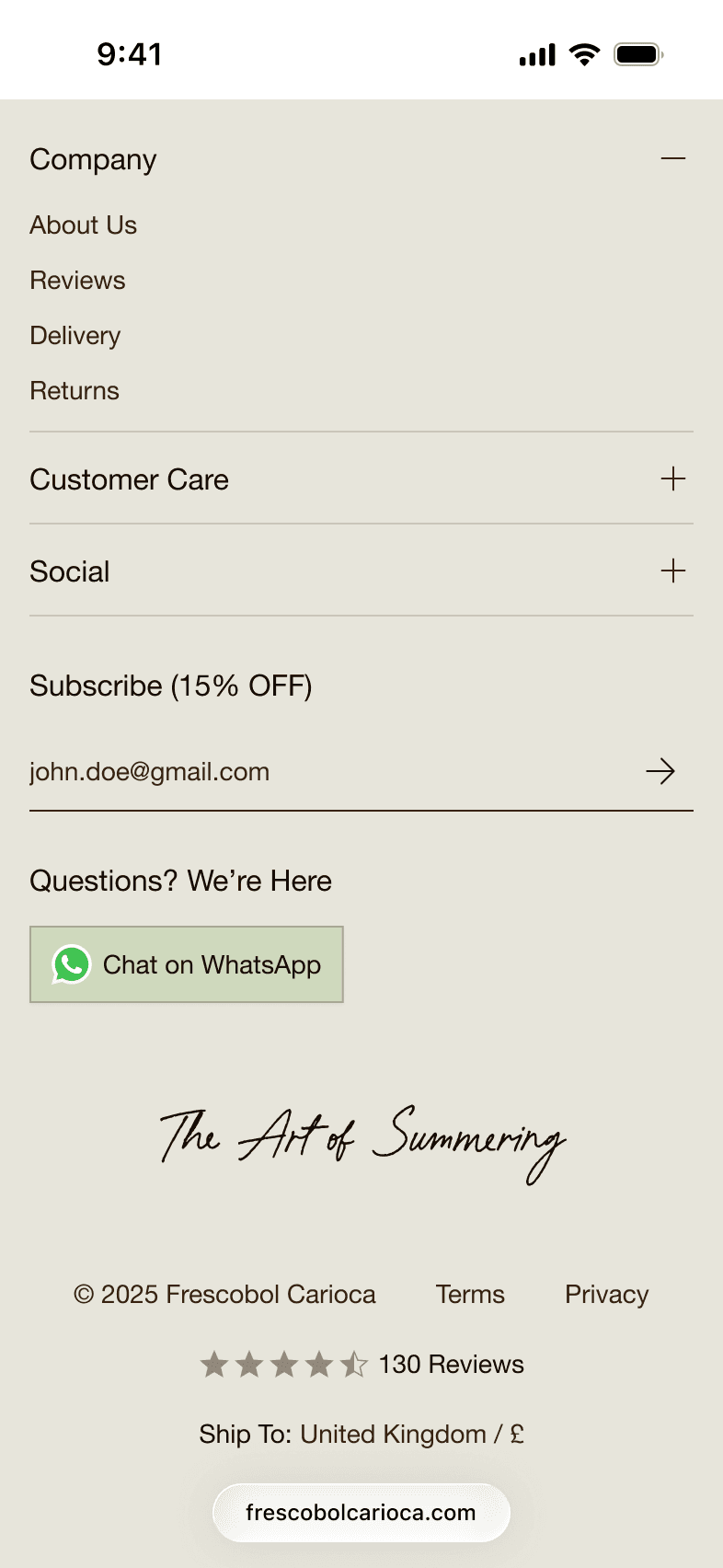
Home




Shop Mega Menu


Search Drawer


Shop

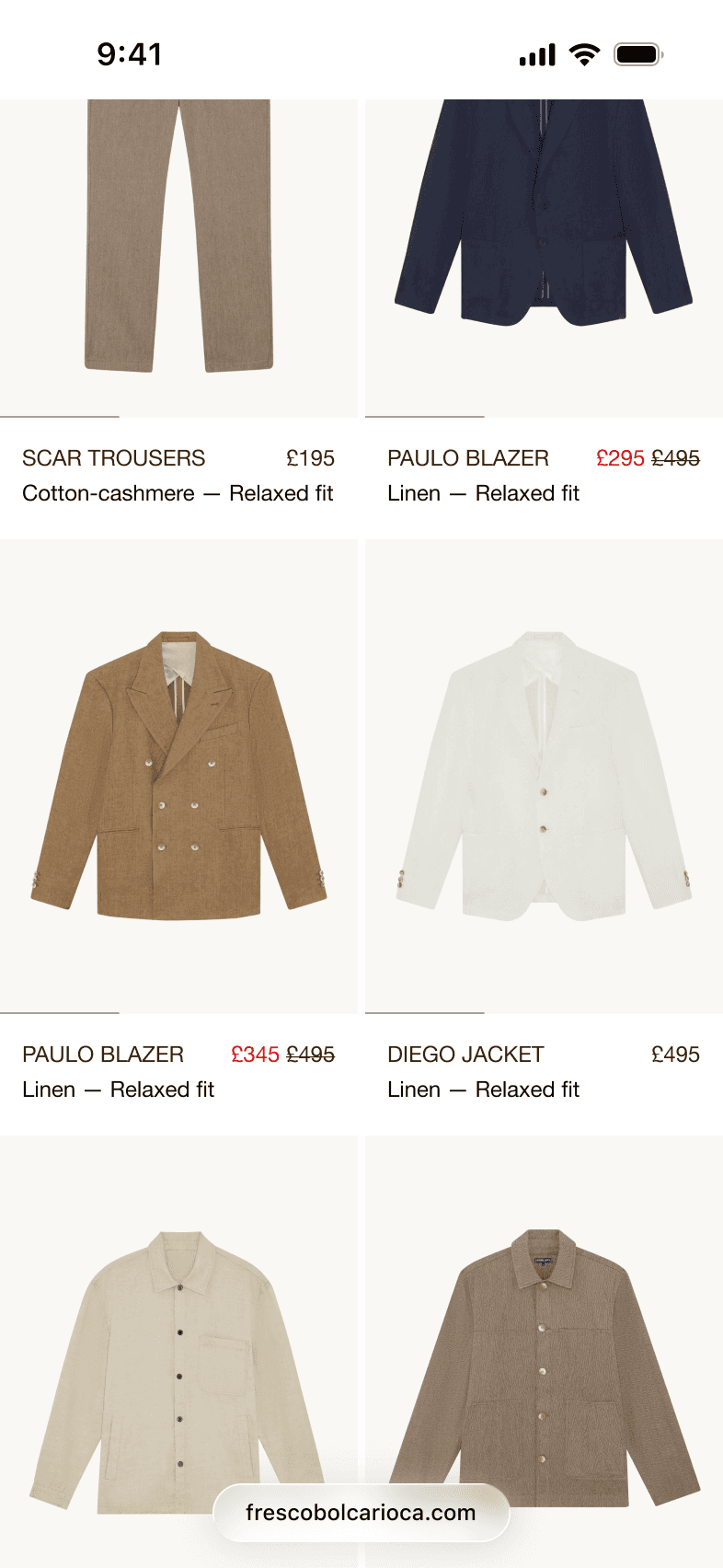
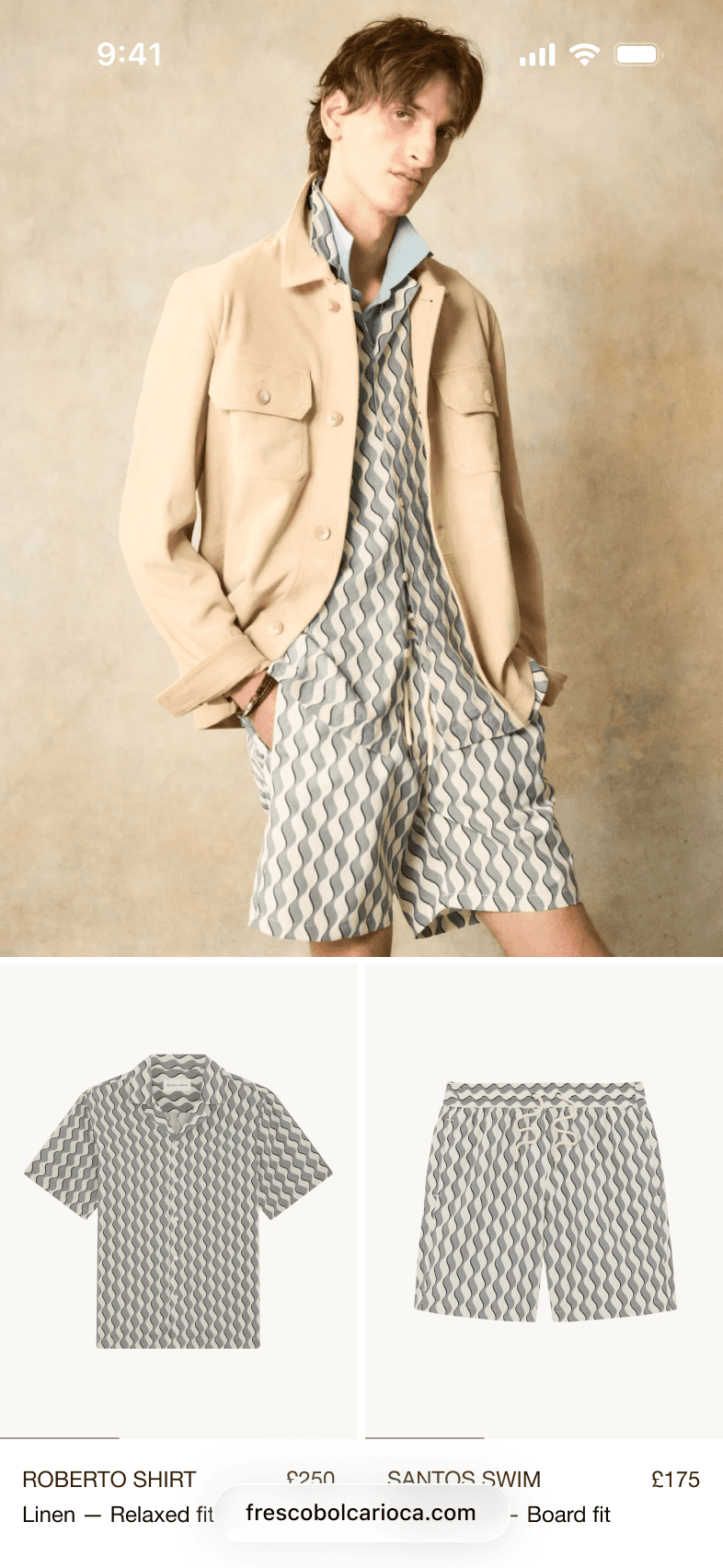
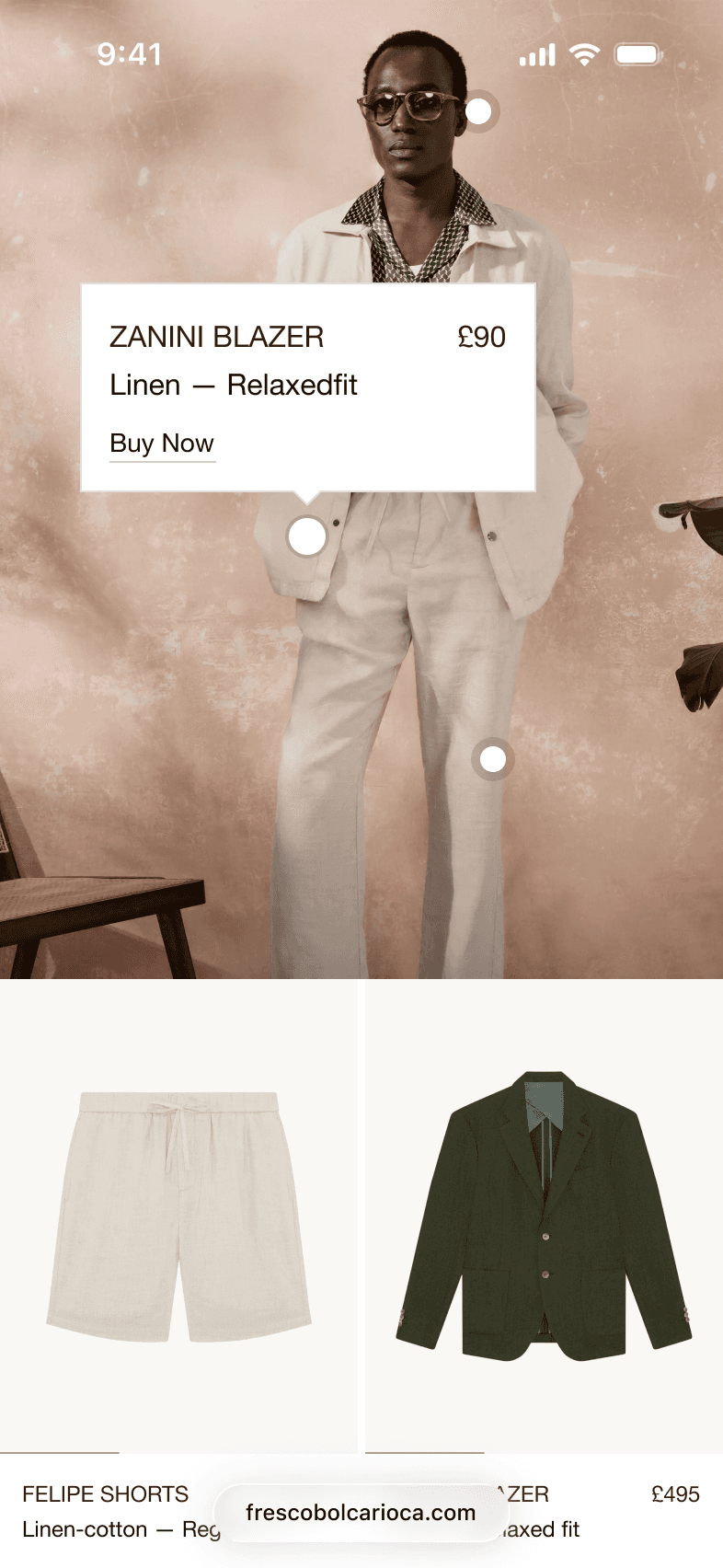


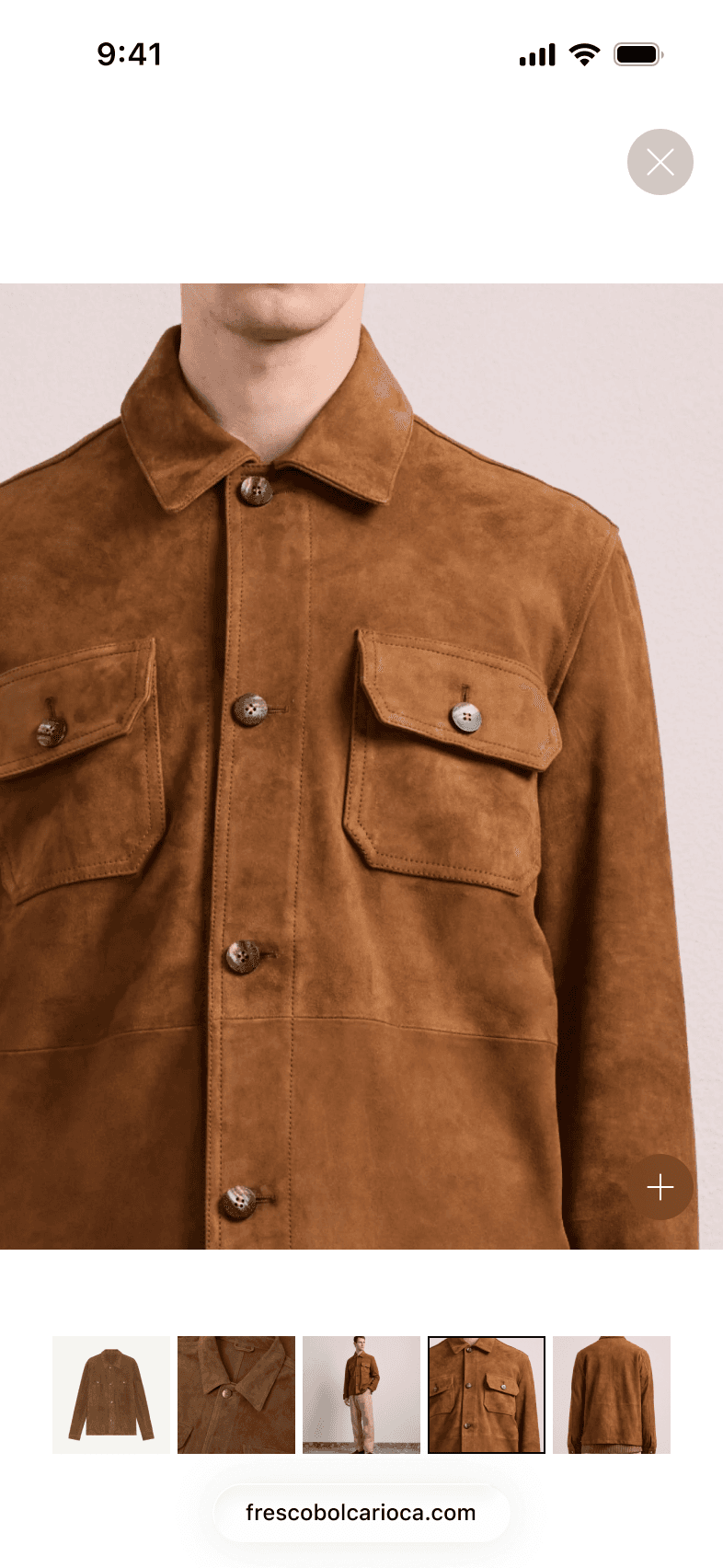
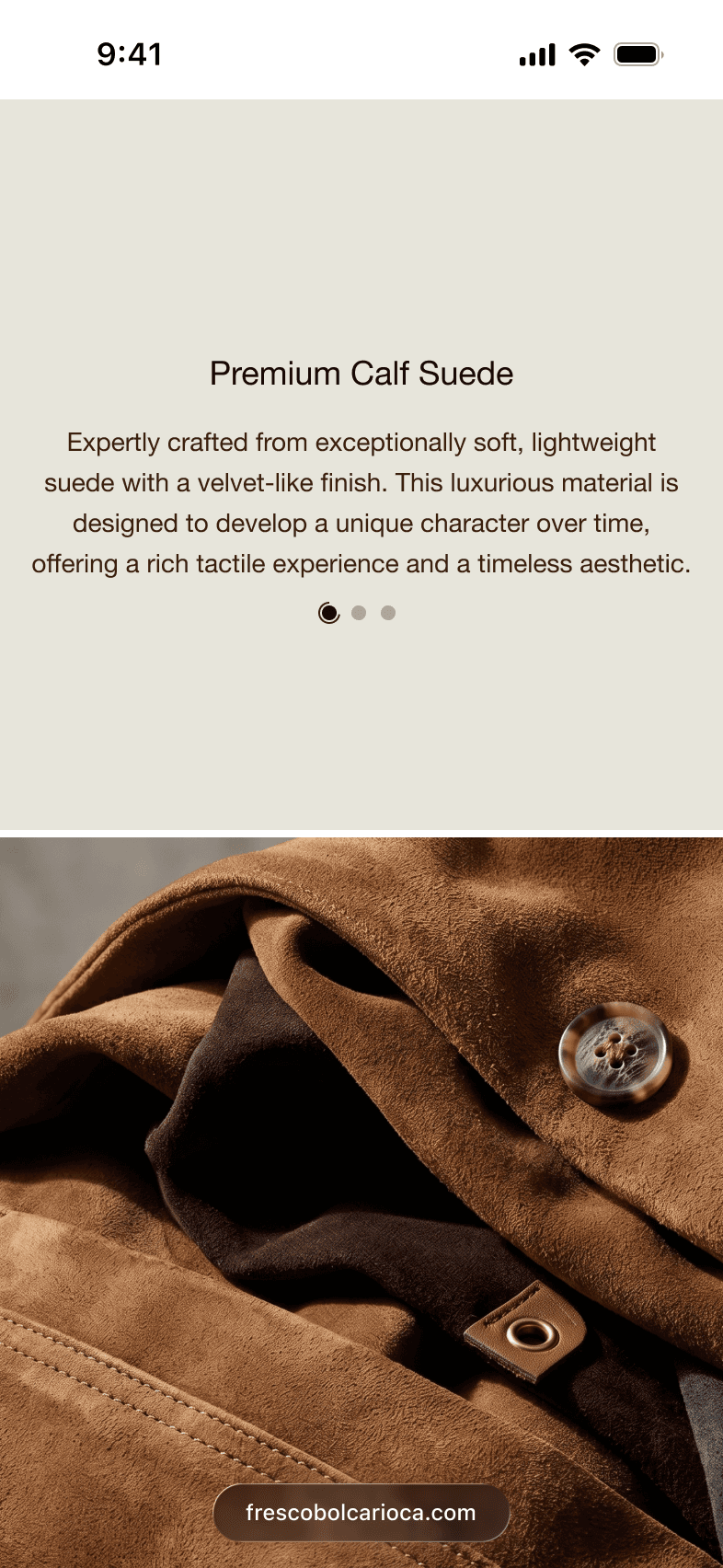
Shop -> Product Detail






Suitcase Shop


Suitcase Shop -> Product Detail




Beach Bats Shop

Beach Bats Shop -> Product Detail



Cart Drawer



Favourites Drawer


Account Drawer



The Carioca Post


About Us

Support Hub


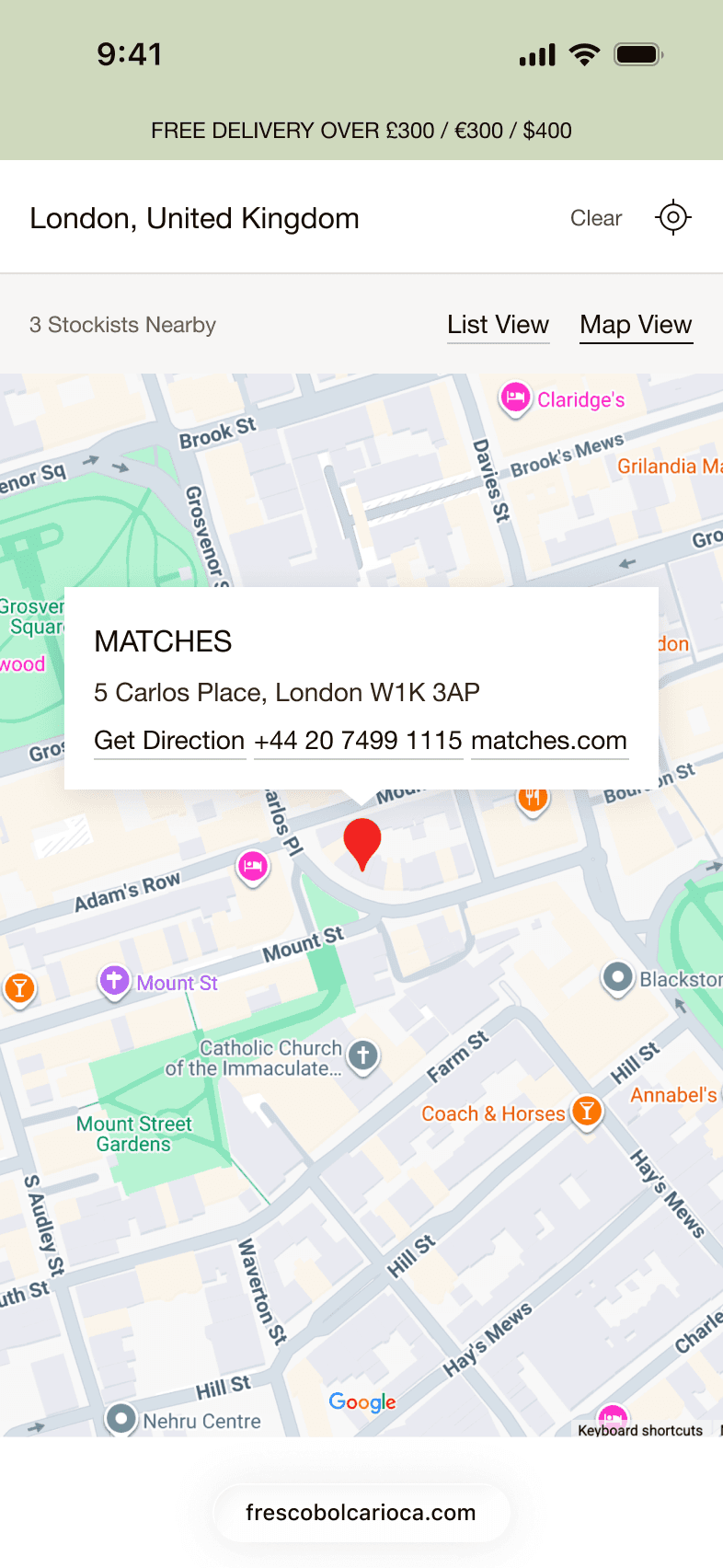
Stockists




Popups


Select Region Drawer
