Pepperkey — Real Estate Networking App
Solo Product Designer
Solo Product Designer
Solo Product Designer
Solo Product Designer
Product UX Ownership
User Flows & IA
High-Fidelity Mobile UI
Complex Permission Logic
Scalable Design System
Product UX Ownership
User Flows & IA
High-Fidelity Mobile UI
Complex Permission Logic
Scalable Design System
Product UX Ownership
User Flows & IA
High-Fidelity Mobile UI
Complex Permission Logic
Scalable Design System
Product UX Ownership
User Flows & IA
High-Fidelity Mobile UI
Complex Permission Logic
Scalable Design System
Sep 2024 — Jan 2025
Sep 2024 — Jan 2025
Sep 2024 — Jan 2025
Sep 2024 — Jan 2025
Closed Beta
Closed Beta
Closed Beta
Closed Beta
01. Product Context & Pressure
The constraint was strict: if listing or assessing a deal took longer than sending a message, the product would fail. Pepperkey's real competitor is WhatsApp — off-market deals move fast, informally, and with minimal structure, but at the cost of control and traceability
At the same time, visibility carries risk. Exposing inventory too early can mean lost commission or broken trust. The task was to enable fast judgement under partial information, while letting brokers deliberately decide who sees what, and when
02. Core Product Logic
The product is organised around a single loop: Surface → Qualify → Engage → Follow Up
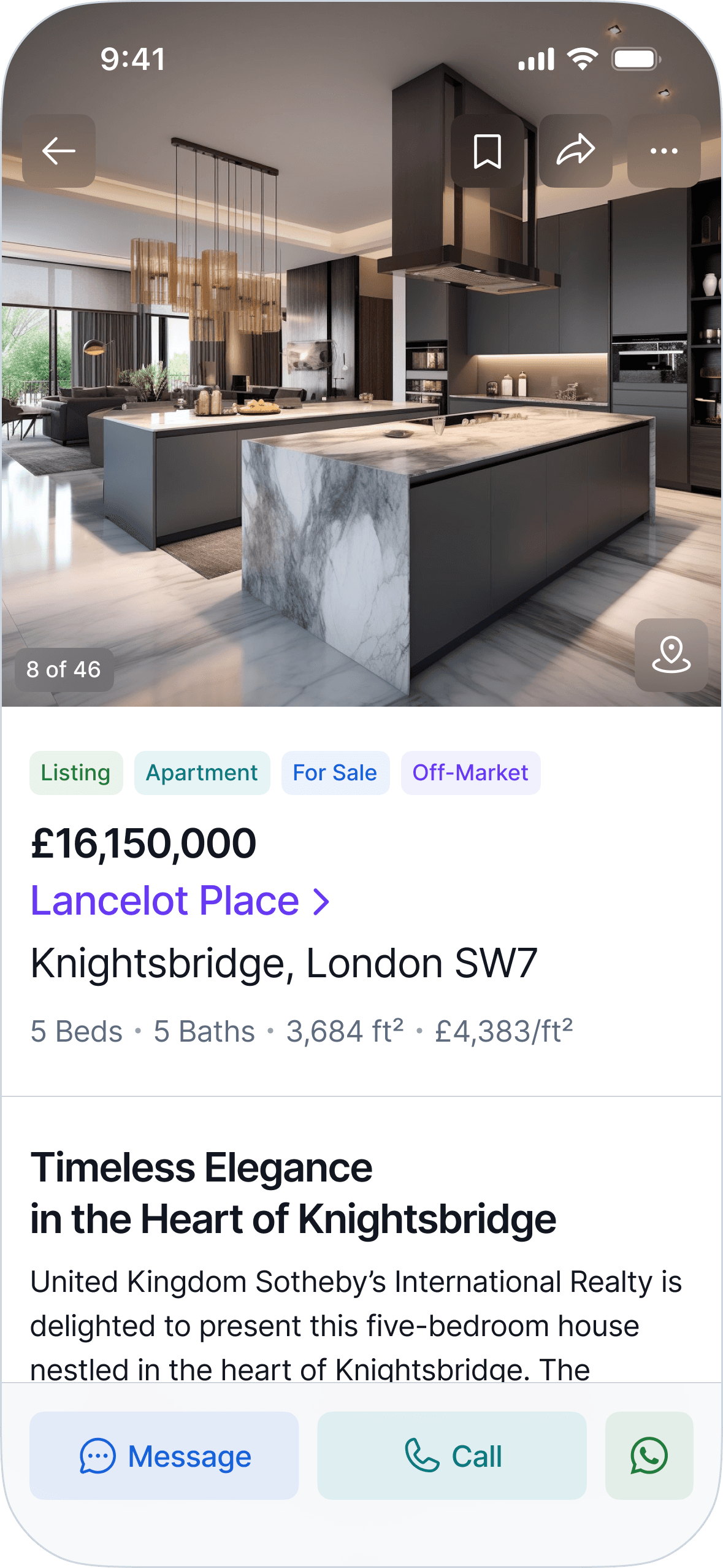
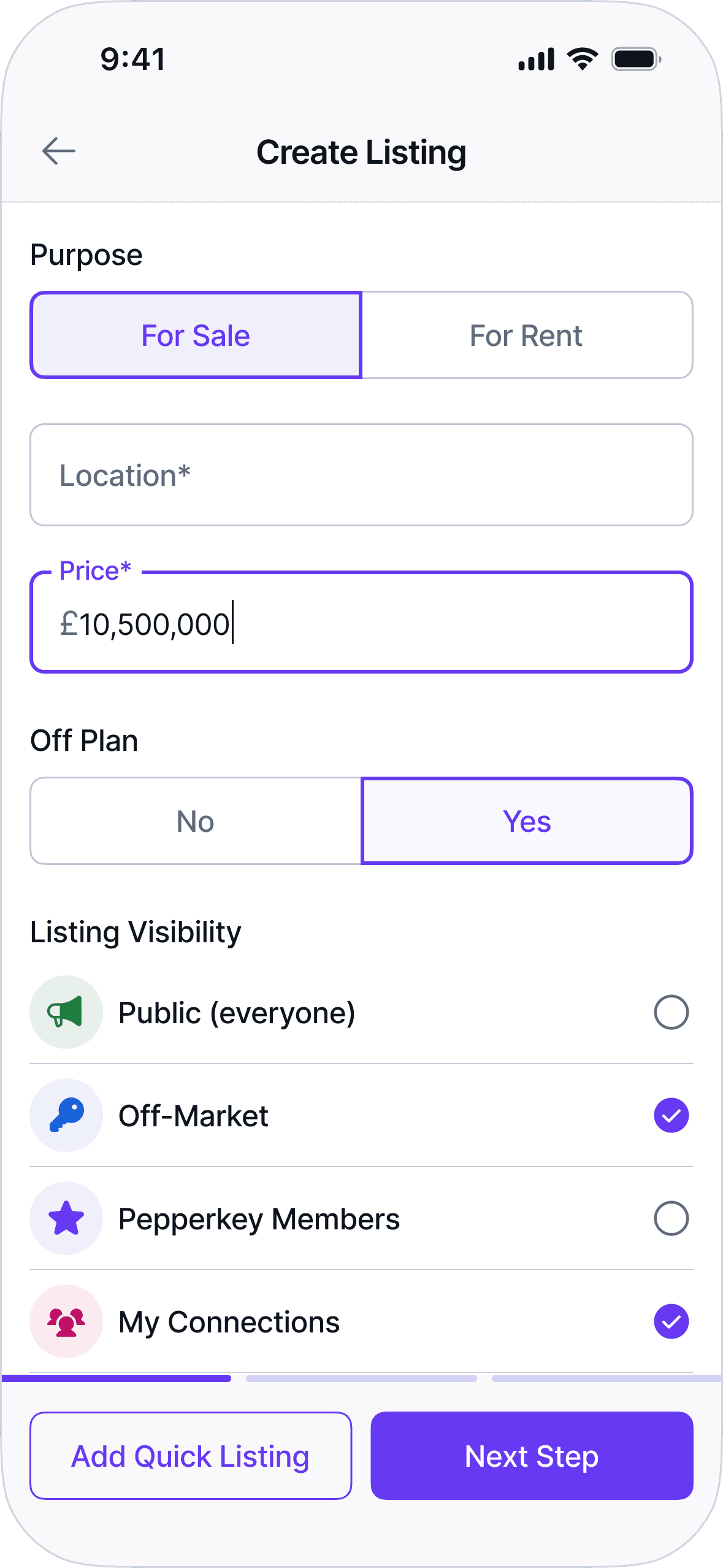
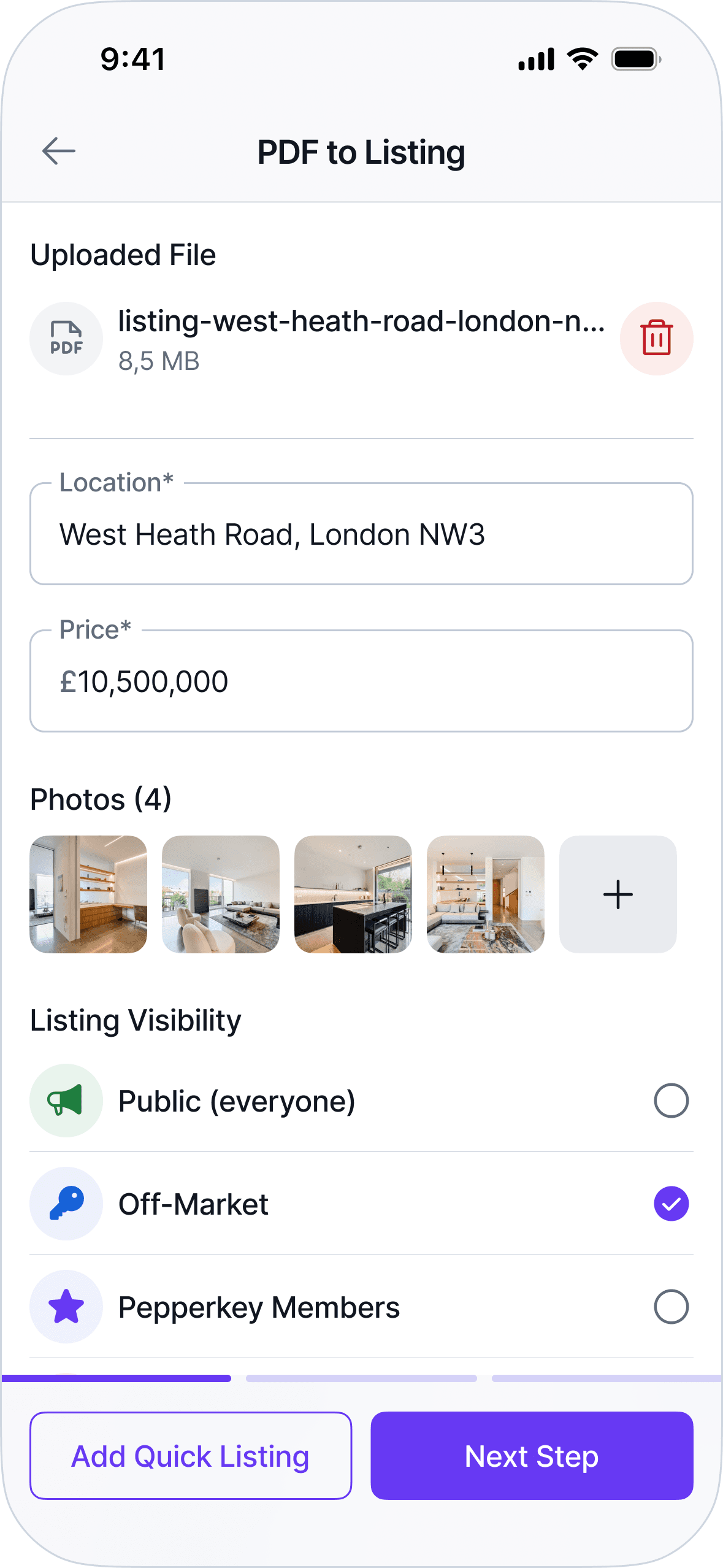
Visibility is treated as core logic, not a preference. Listings and requests move through staged exposure — public, network-scoped, or trusted — allowing broad signalling without leaking sensitive inventory
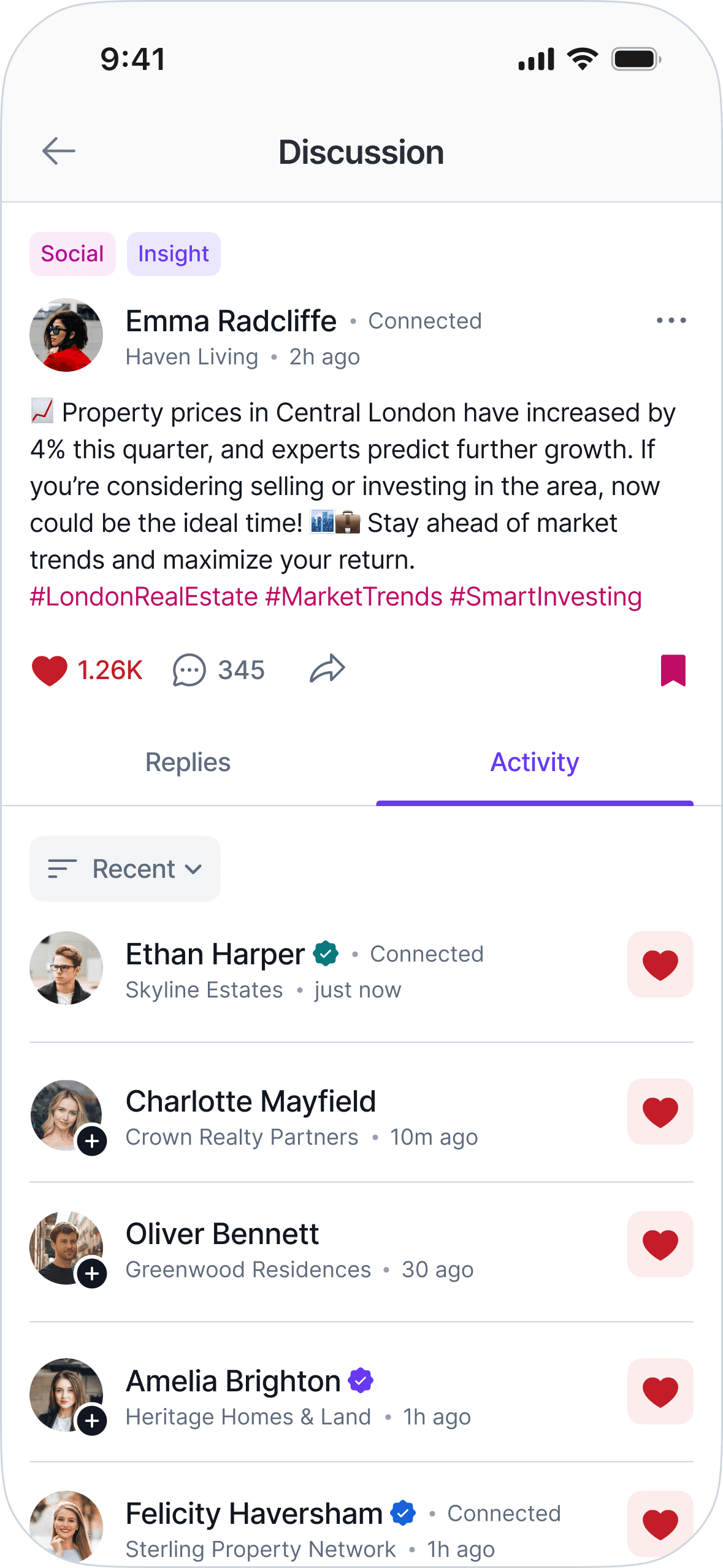
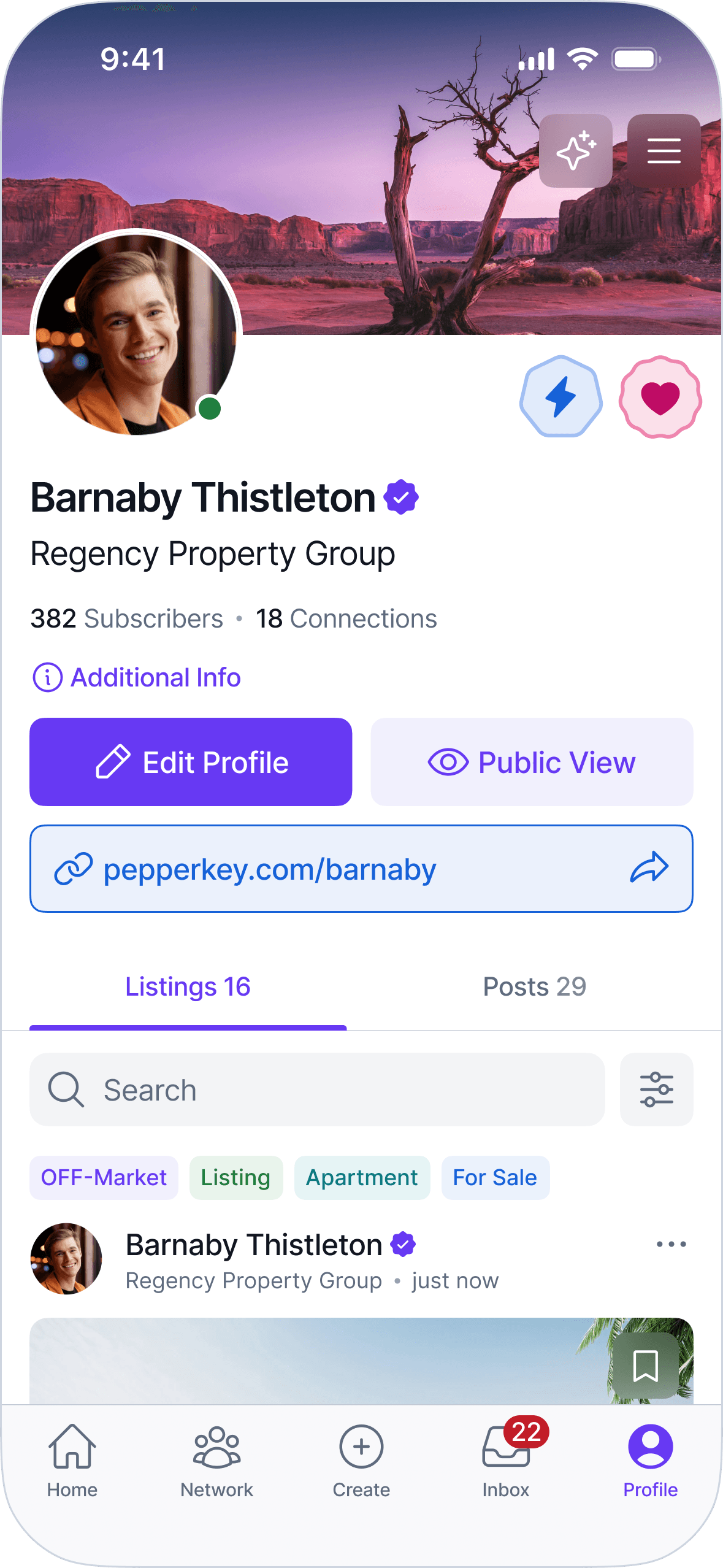
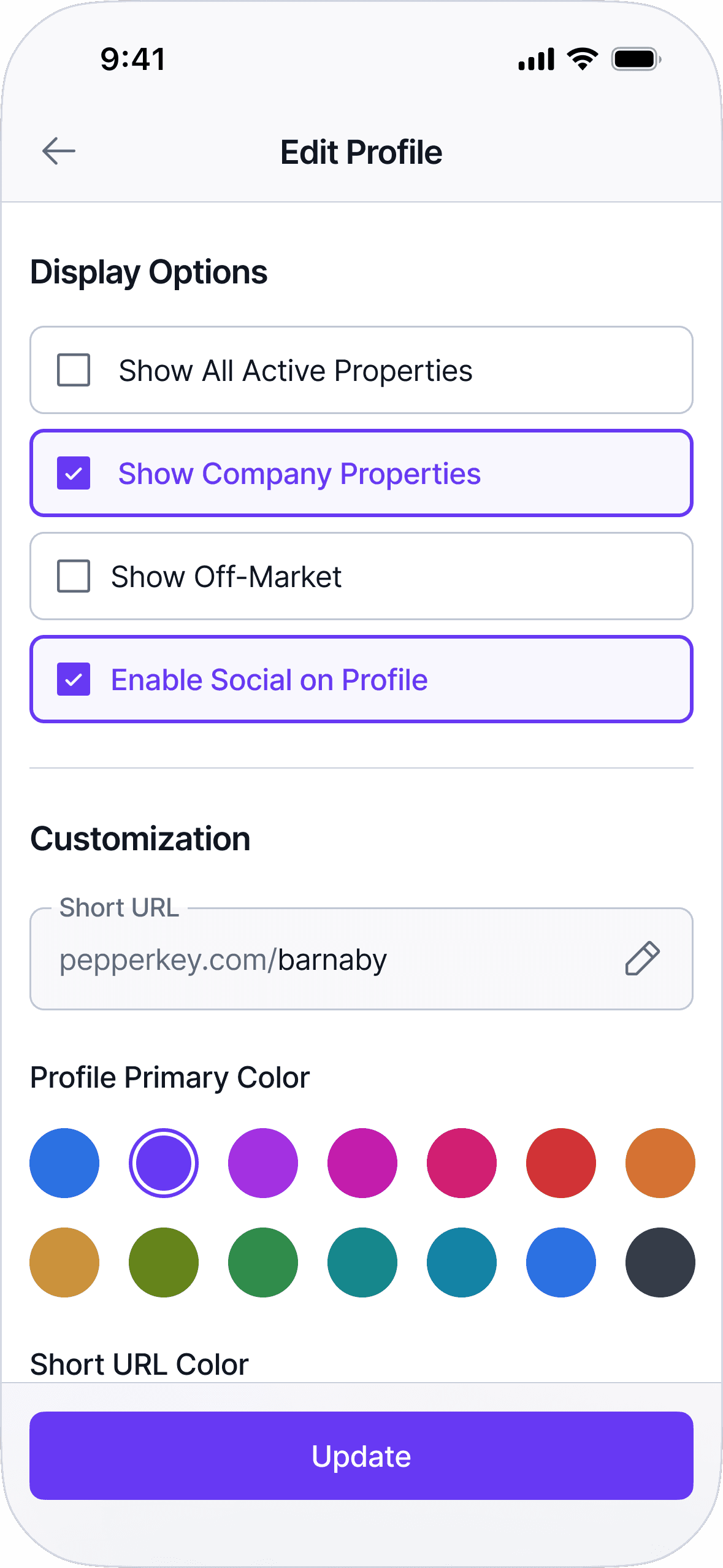
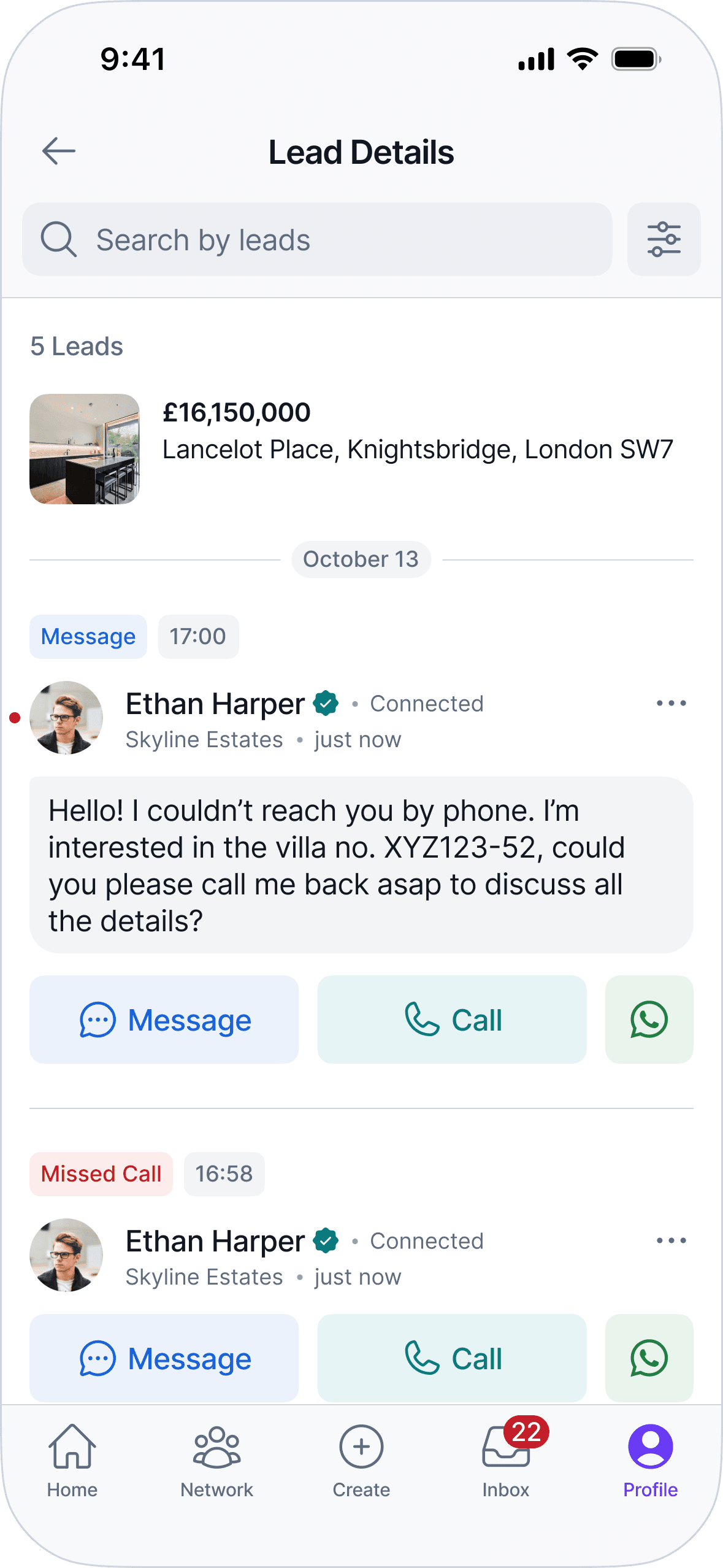
All content types share one interaction model: dense, scannable cards; tags as deal metadata; clear authorship. Contact is deliberately multi-channel: in-app messaging preserves context, while calls and WhatsApp reflect how deals actually close
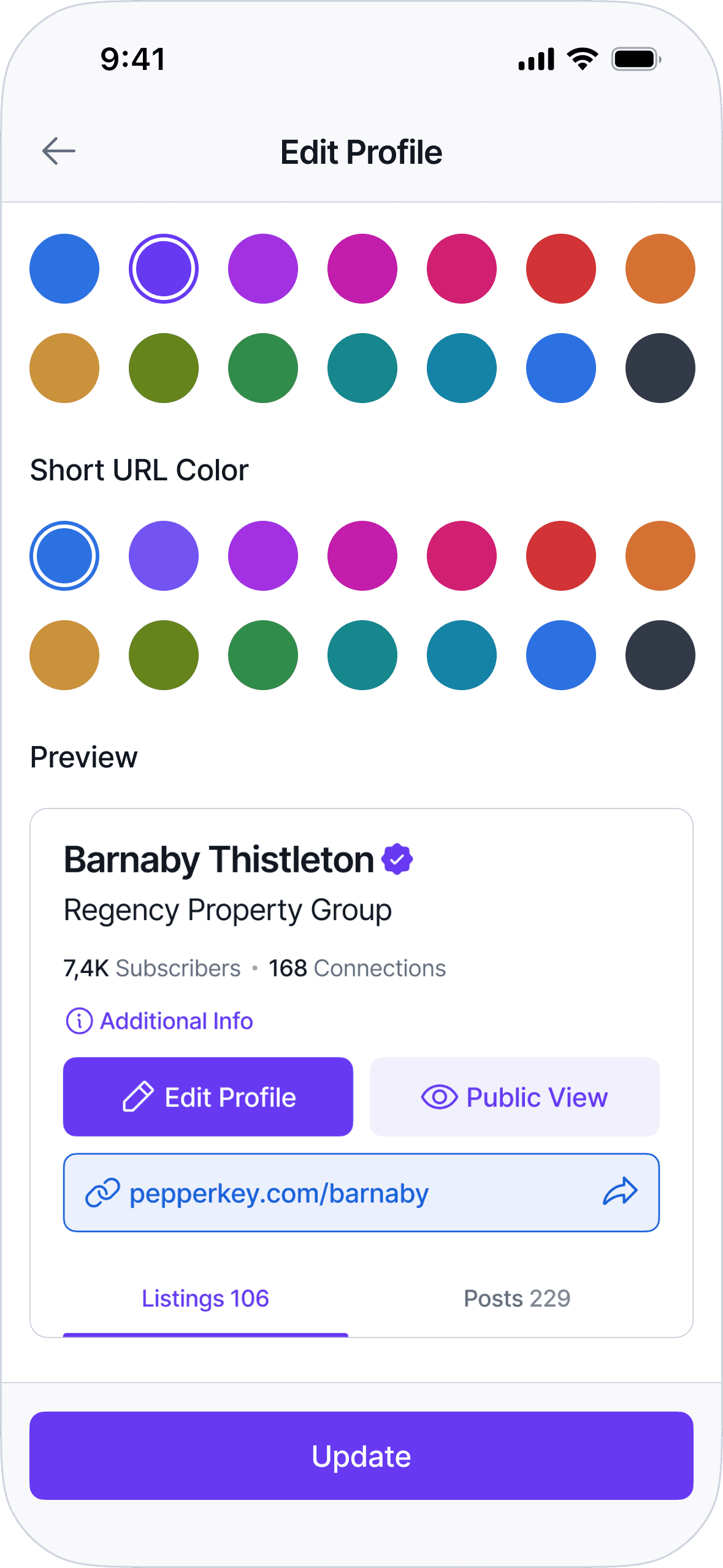
Social mechanics exist only to support awareness and credibility — never to drive engagement. No vanity metrics, no algorithmic feed. Every interaction serves the deal, not the platform
03. Execution & System Outcome
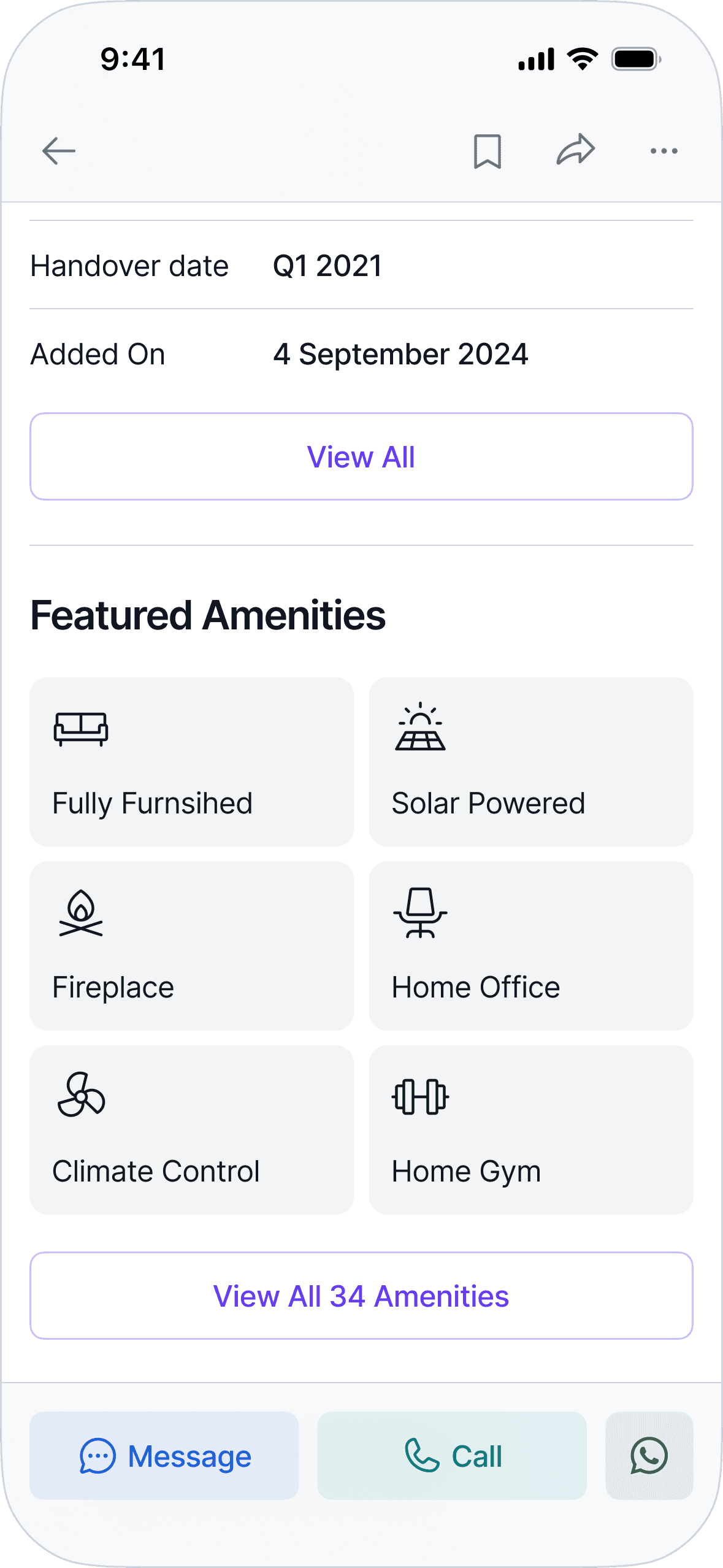
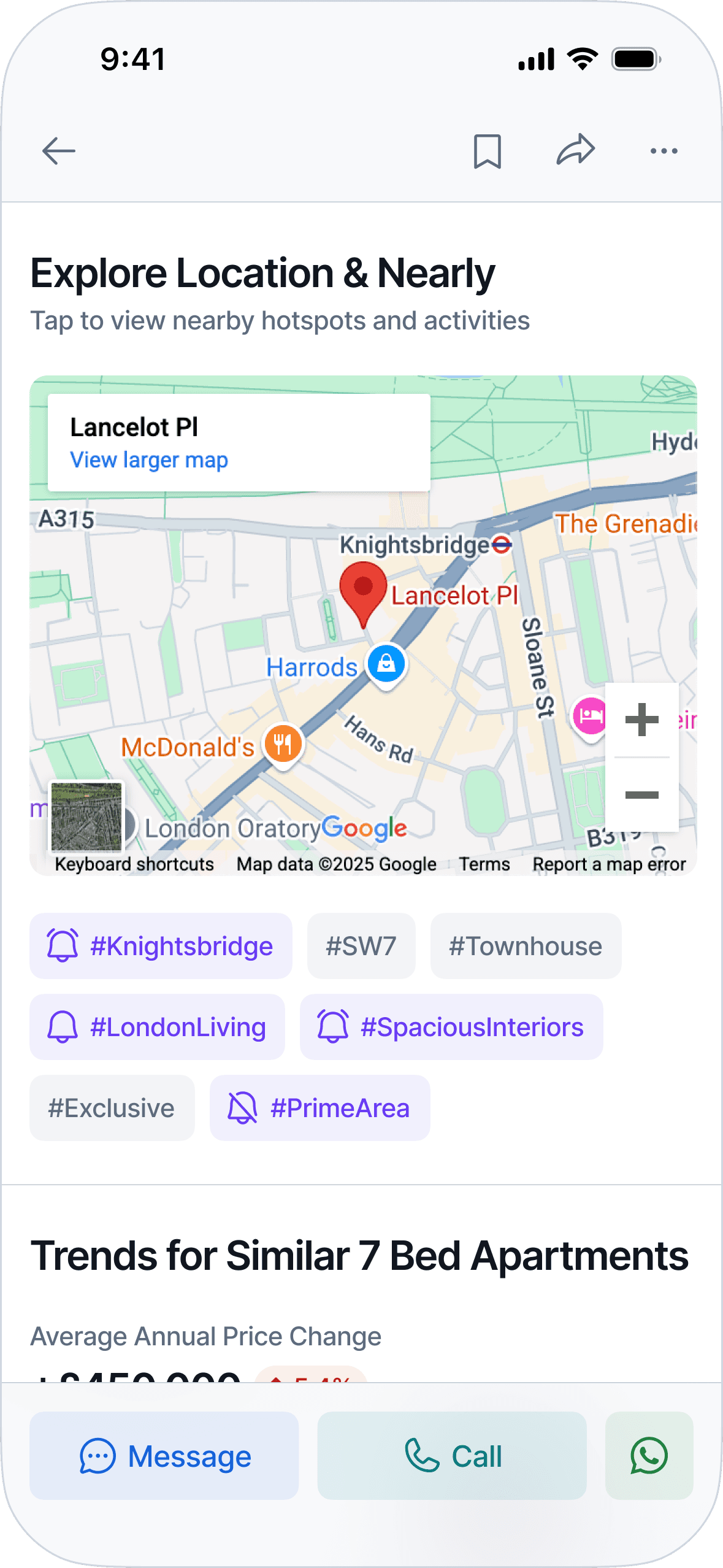
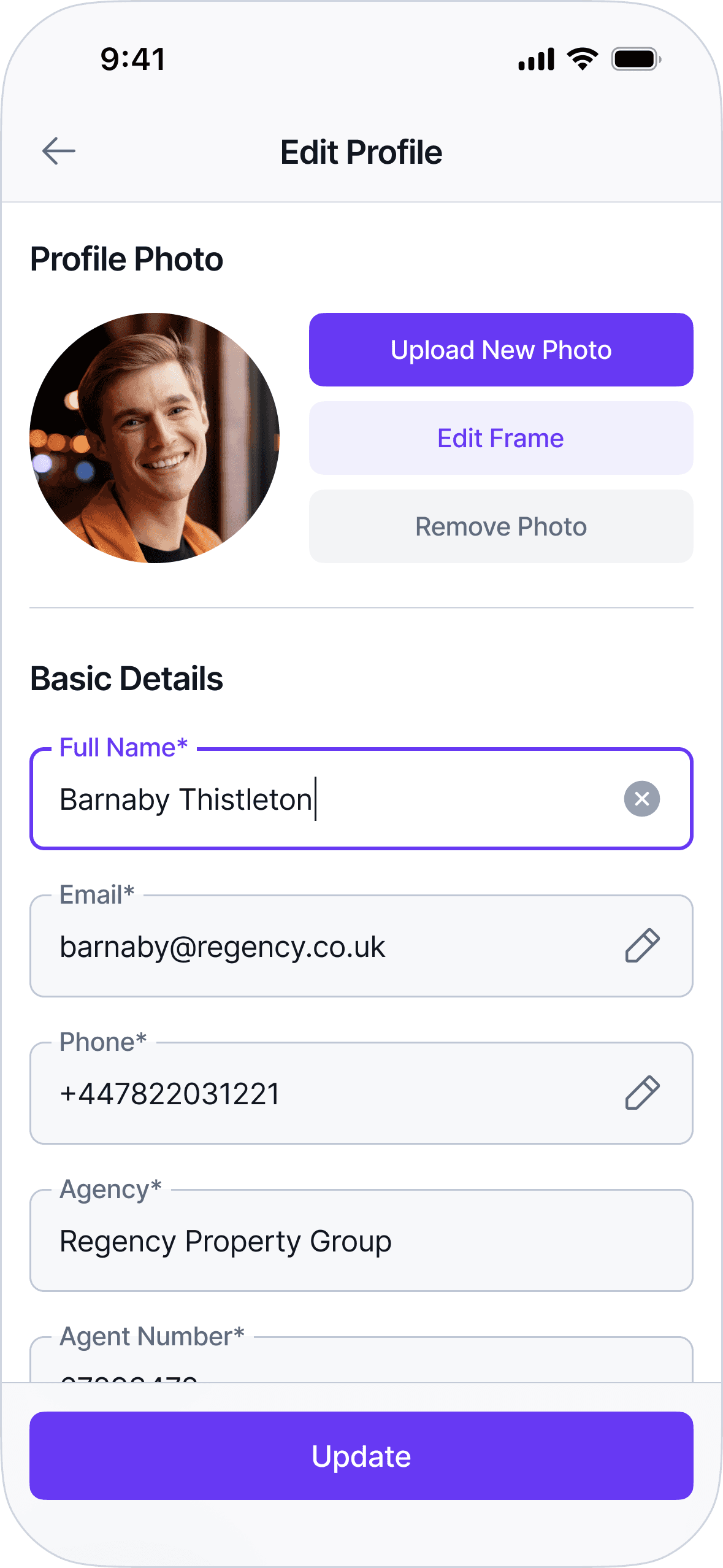
Execution focused on making a trust-sensitive marketplace usable at mobile speed. One component system underpins feeds, profiles, creation, messaging, and management states — reducing cognitive load and pattern switching across the entire app
Creation flows are optimised for reality: a quick listing path expandable over time, support for ingesting existing agent materials, and visibility controls embedded directly into the flow. The result is a focused MVP validated in closed beta, with a UX foundation built to scale across regions without reworking core product logic
01. Product Context & Pressure
The constraint was strict: if listing or assessing a deal took longer than sending a message, the product would fail. Pepperkey's real competitor is WhatsApp — off-market deals move fast, informally, and with minimal structure, but at the cost of control and traceability
At the same time, visibility carries risk. Exposing inventory too early can mean lost commission or broken trust. The task was to enable fast judgement under partial information, while letting brokers deliberately decide who sees what, and when
Read All
01. Product Context & Pressure
The constraint was strict: if listing or assessing a deal took longer than sending a message, the product would fail. Pepperkey's real competitor is WhatsApp — off-market deals move fast, informally, and with minimal structure, but at the cost of control and traceability
At the same time, visibility carries risk. Exposing inventory too early can mean lost commission or broken trust. The task was to enable fast judgement under partial information, while letting brokers deliberately decide who sees what, and when
02. Core Product Logic
The product is organised around a single loop: Surface → Qualify → Engage → Follow Up
Visibility is treated as core logic, not a preference. Listings and requests move through staged exposure — public, network-scoped, or trusted — allowing broad signalling without leaking sensitive inventory
All content types share one interaction model: dense, scannable cards; tags as deal metadata; clear authorship. Contact is deliberately multi-channel: in-app messaging preserves context, while calls and WhatsApp reflect how deals actually close
Social mechanics exist only to support awareness and credibility — never to drive engagement. No vanity metrics, no algorithmic feed. Every interaction serves the deal, not the platform
03. Execution & System Outcome
Execution focused on making a trust-sensitive marketplace usable at mobile speed. One component system underpins feeds, profiles, creation, messaging, and management states — reducing cognitive load and pattern switching across the entire app
Creation flows are optimised for reality: a quick listing path expandable over time, support for ingesting existing agent materials, and visibility controls embedded directly into the flow. The result is a focused MVP validated in closed beta, with a UX foundation built to scale across regions without reworking core product logic
01. Product Context & Pressure
The constraint was strict: if listing or assessing a deal took longer than sending a message, the product would fail. Pepperkey's real competitor is WhatsApp — off-market deals move fast, informally, and with minimal structure, but at the cost of control and traceability
At the same time, visibility carries risk. Exposing inventory too early can mean lost commission or broken trust. The task was to enable fast judgement under partial information, while letting brokers deliberately decide who sees what, and when
Read All

Home Tab
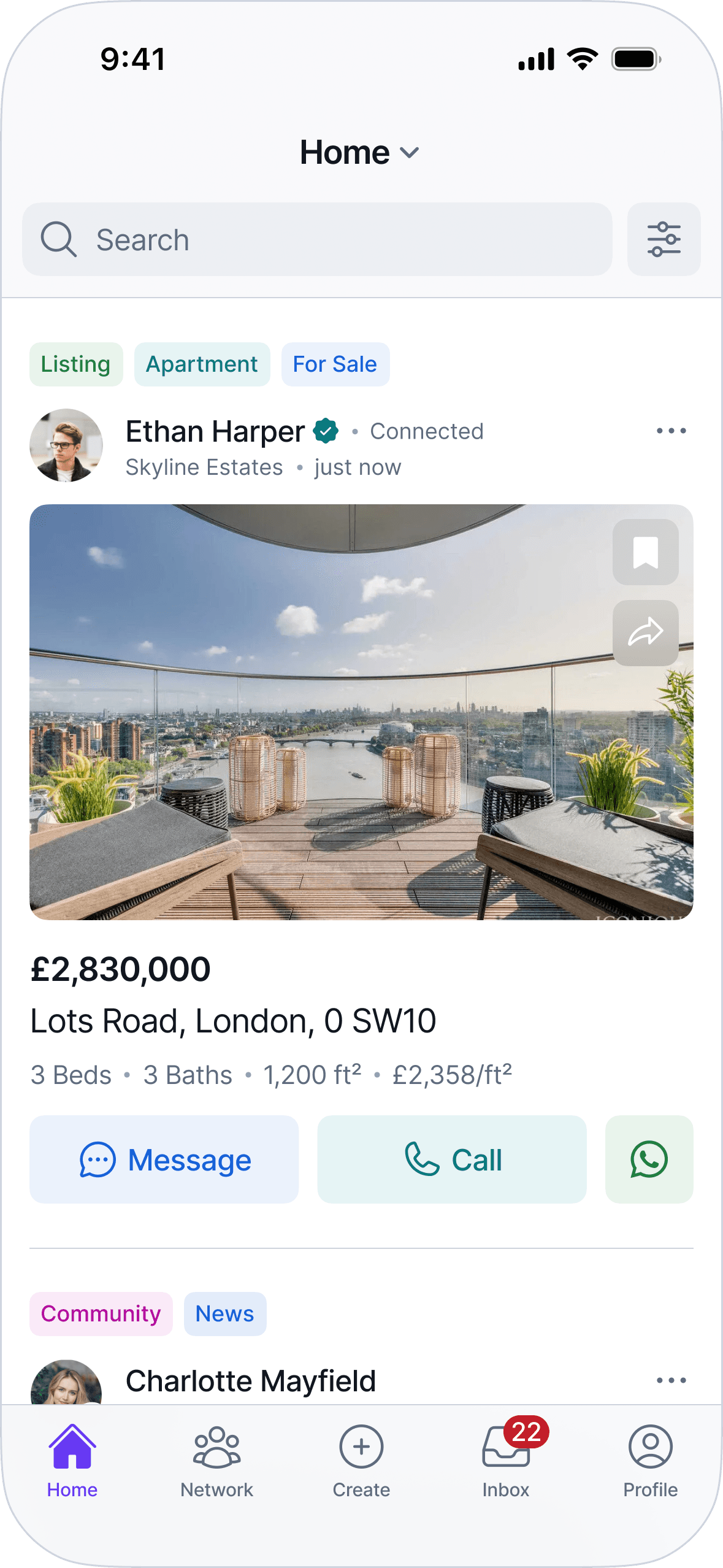

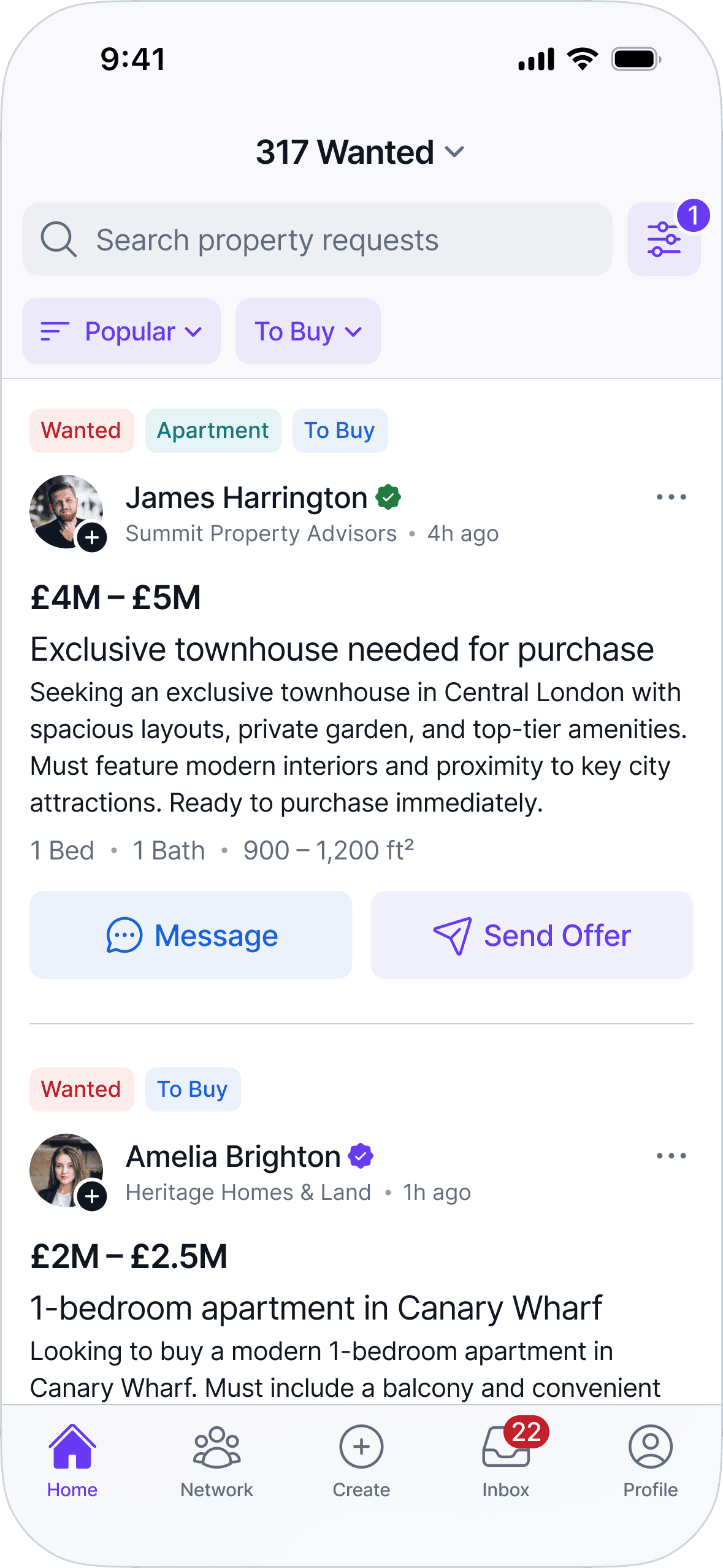
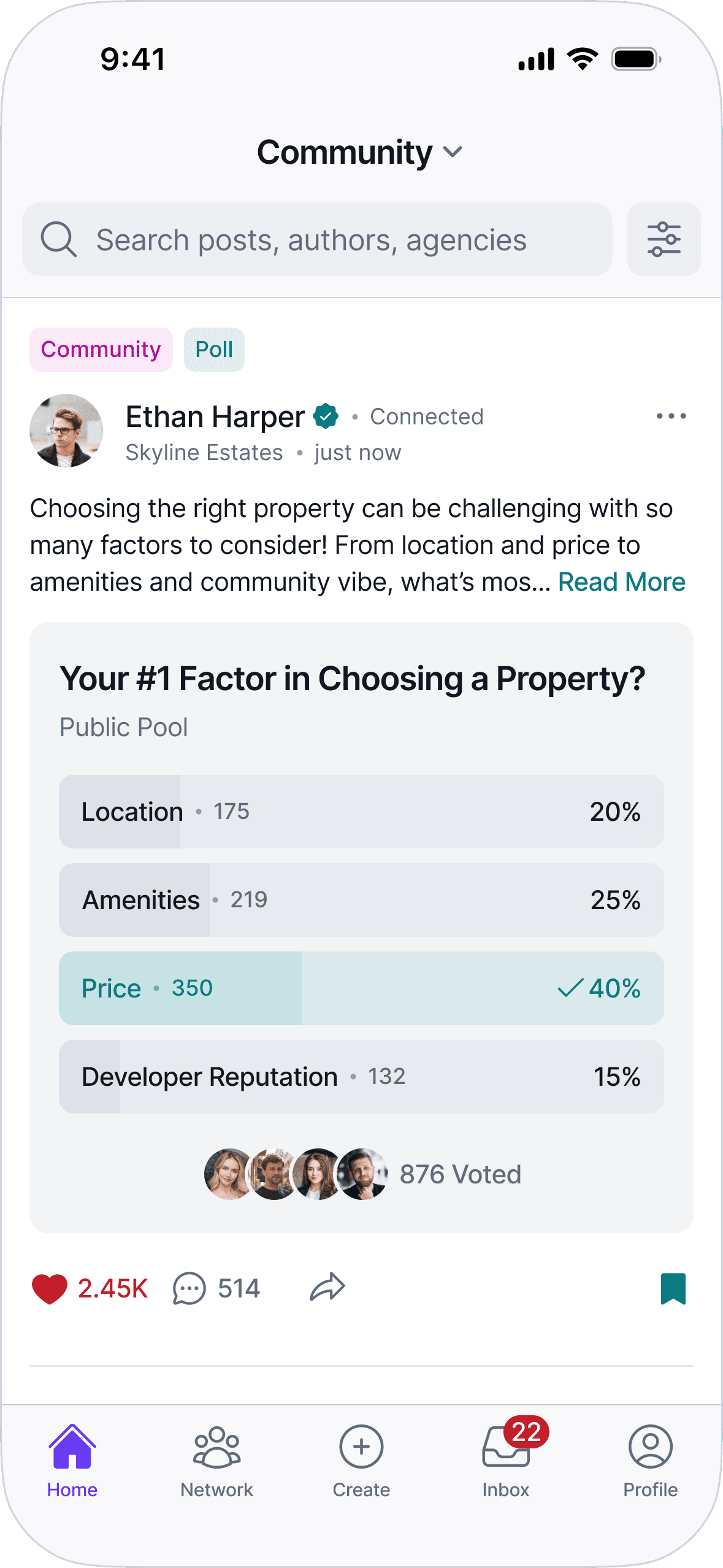
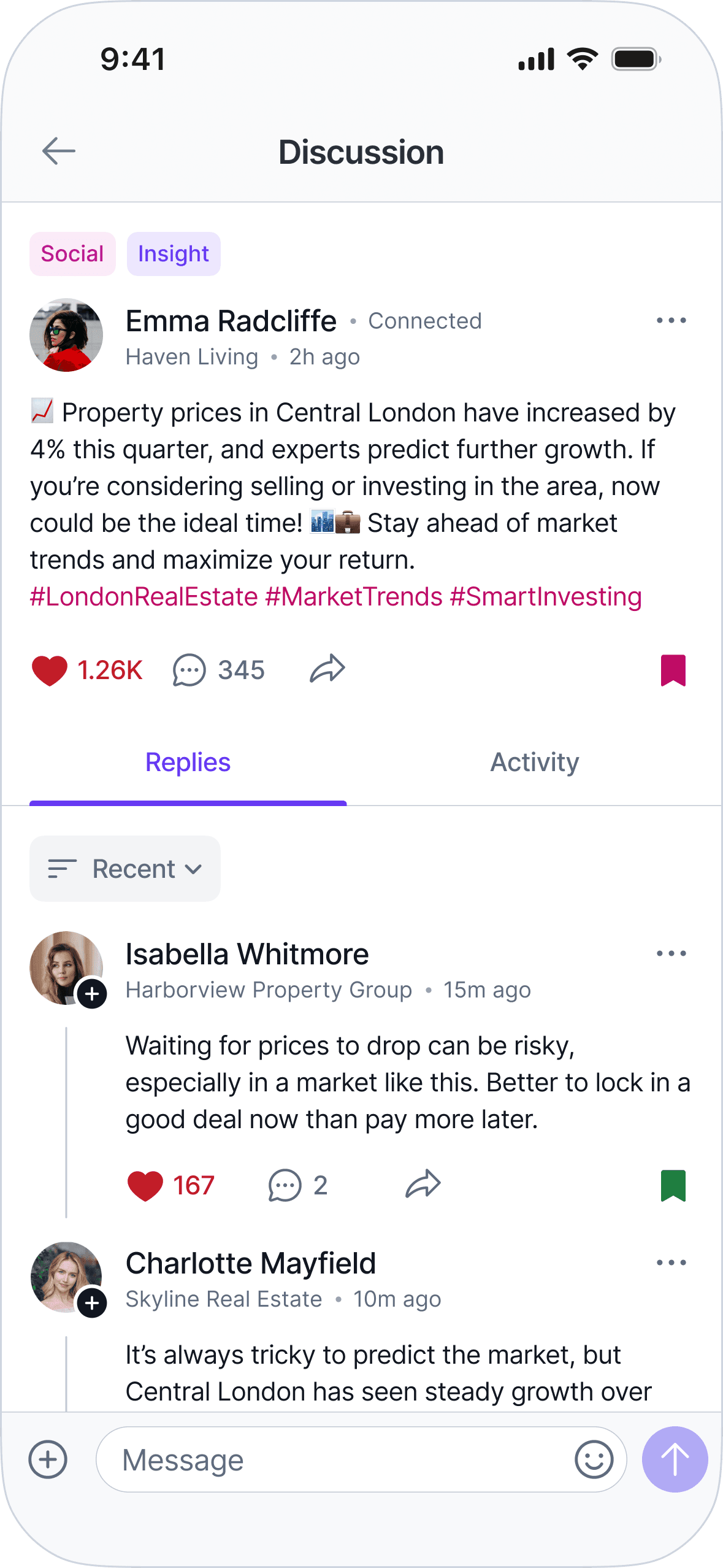
Home -> Listing Details
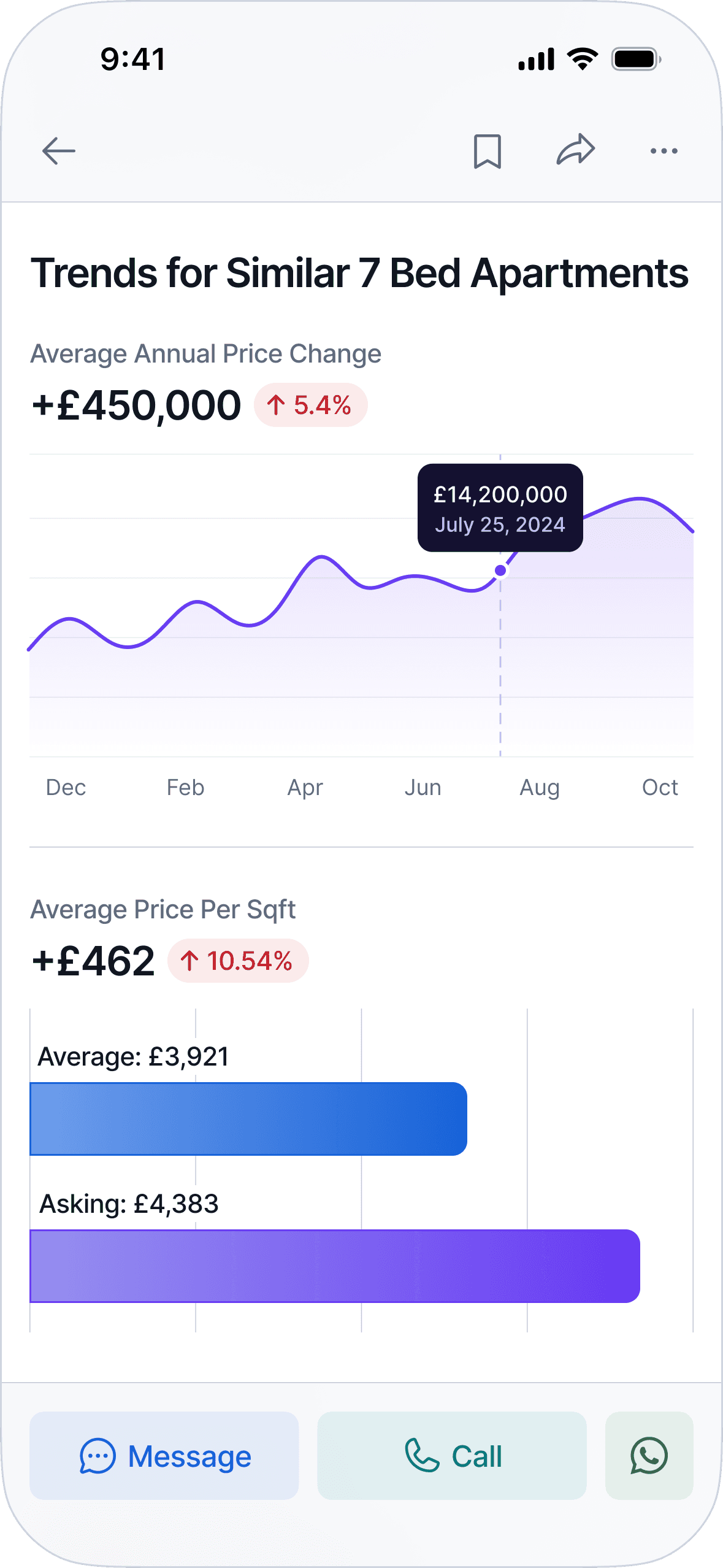

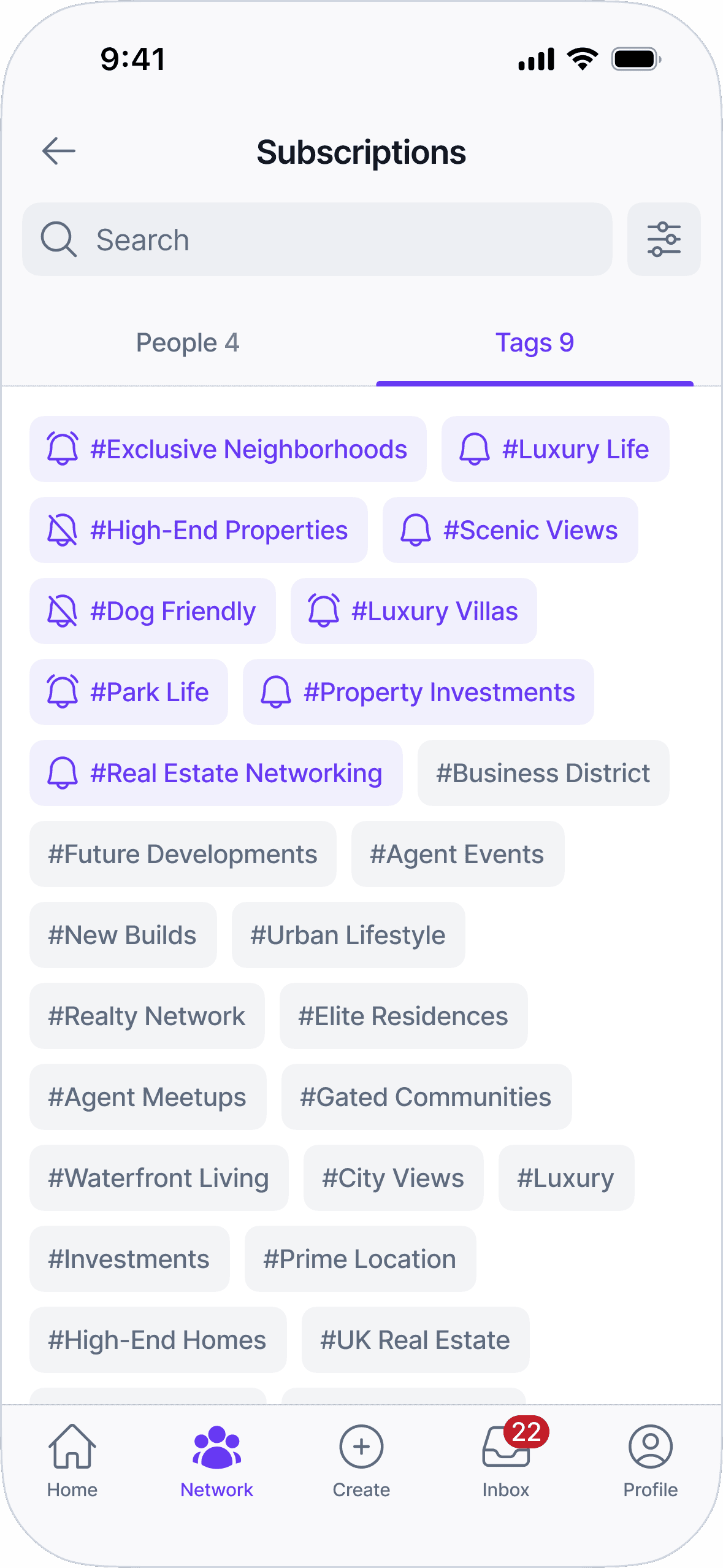
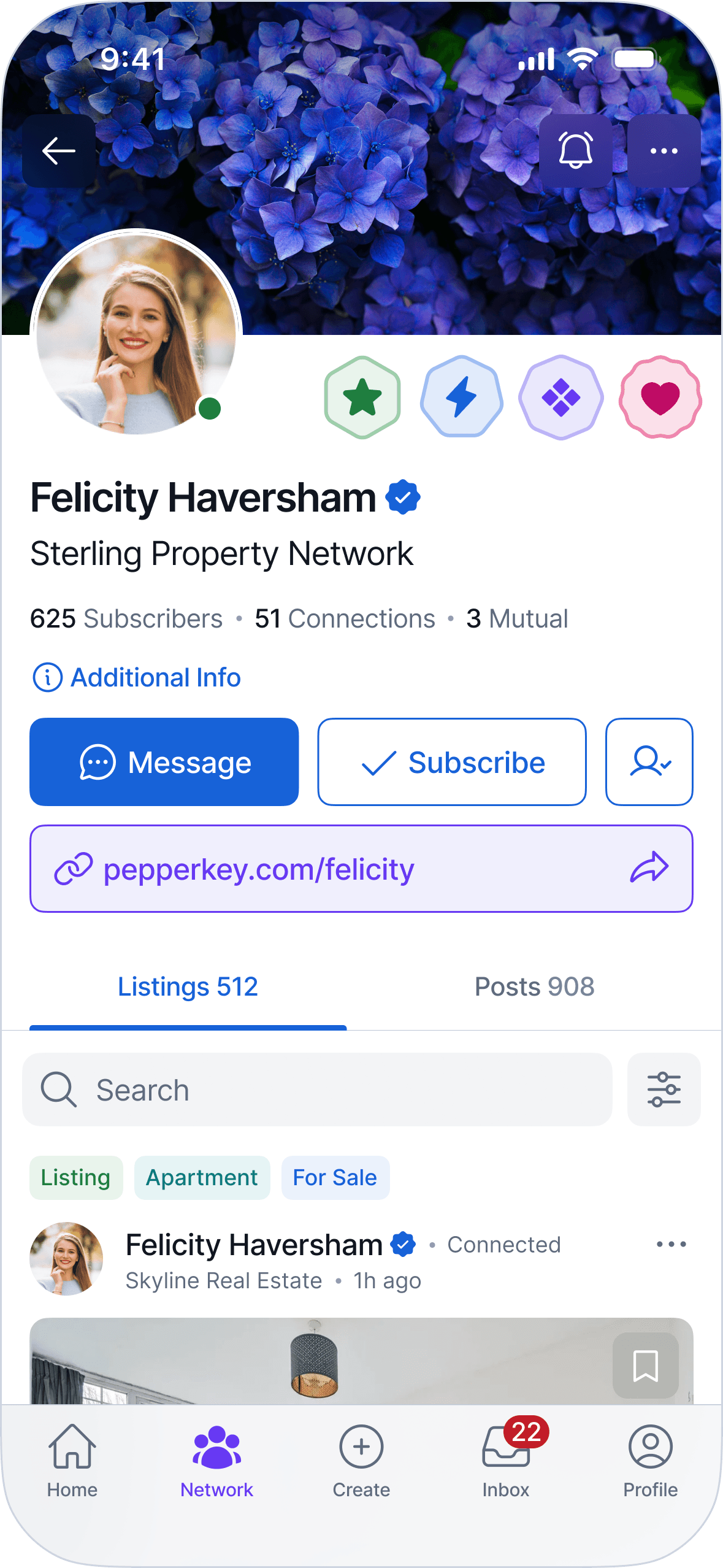
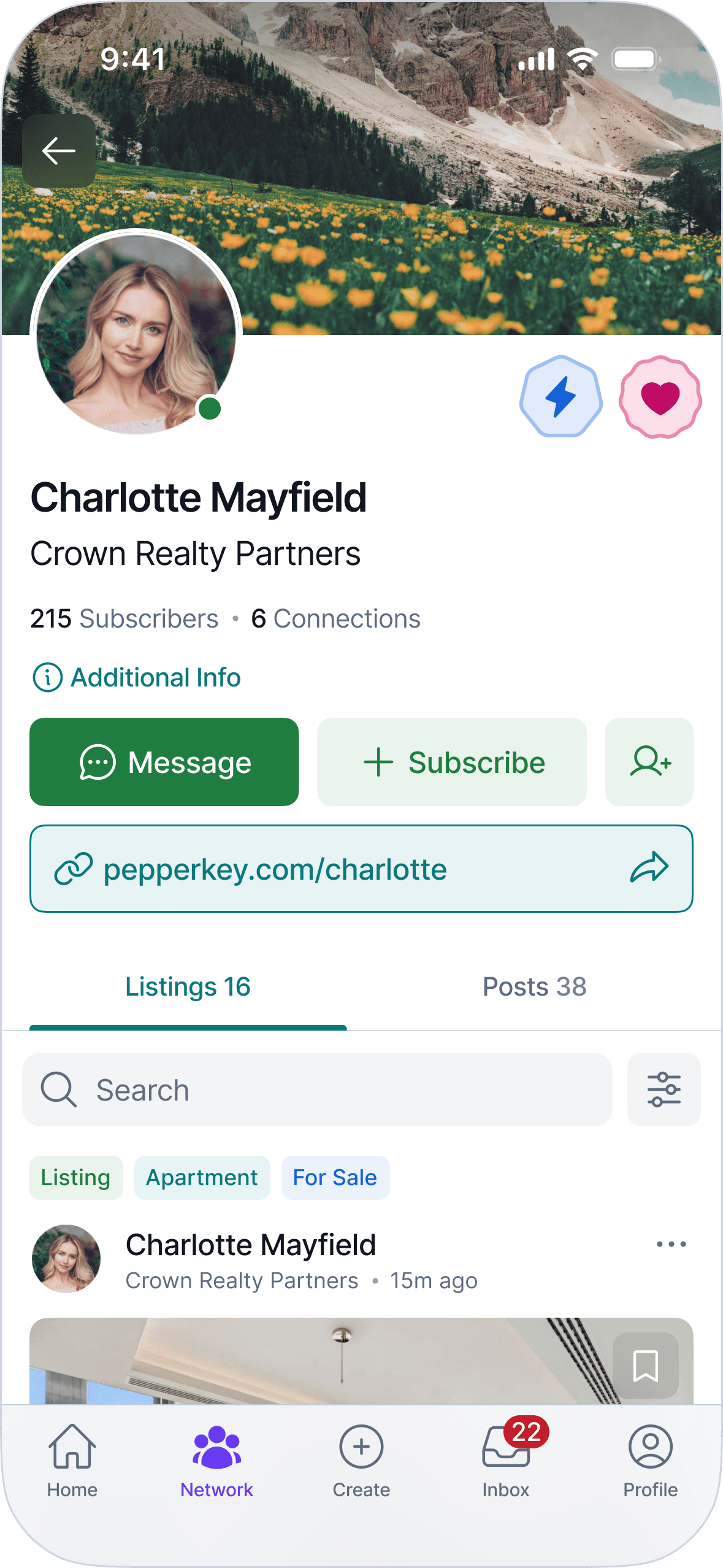
Network Tab




Create Tab
Inbox Tab



Profile Tab

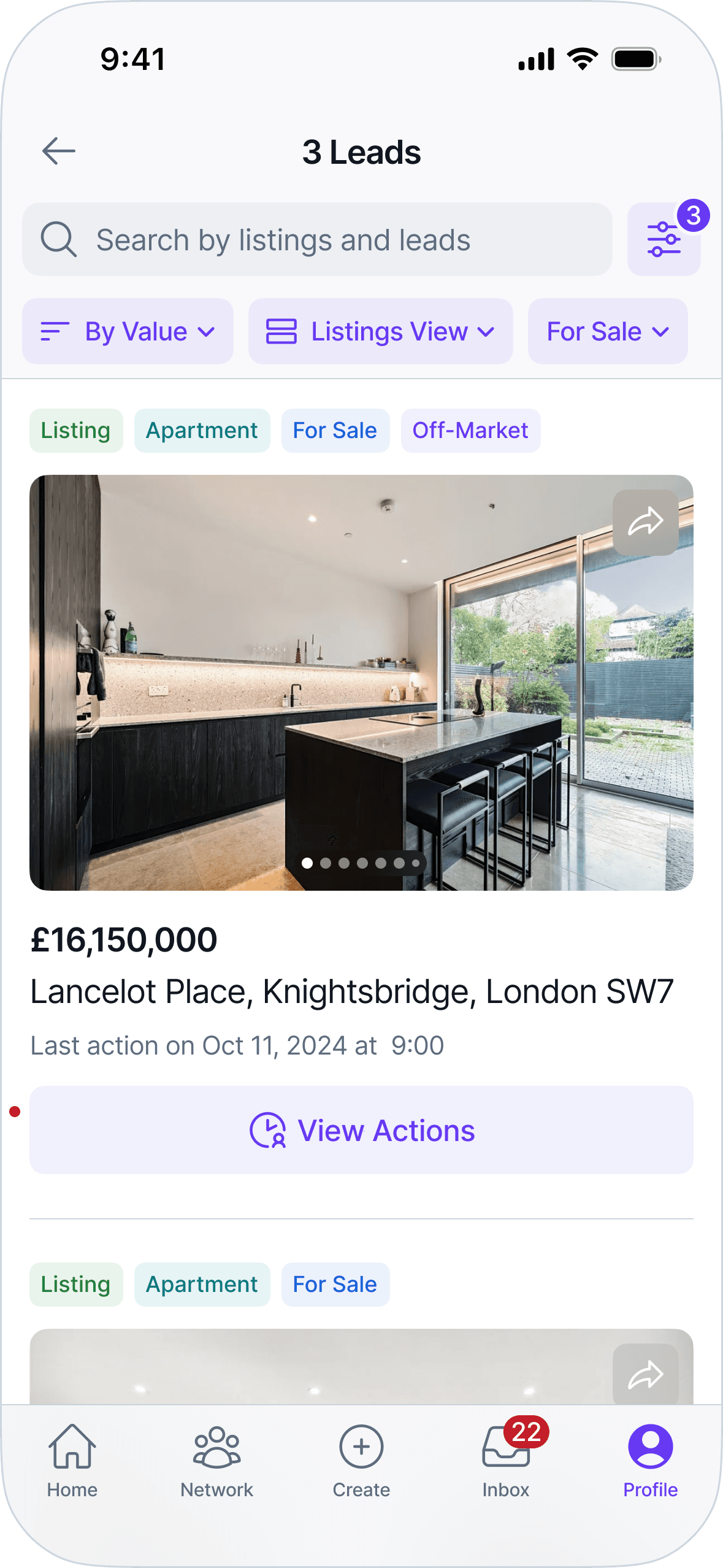
Profile Tab -> Leads
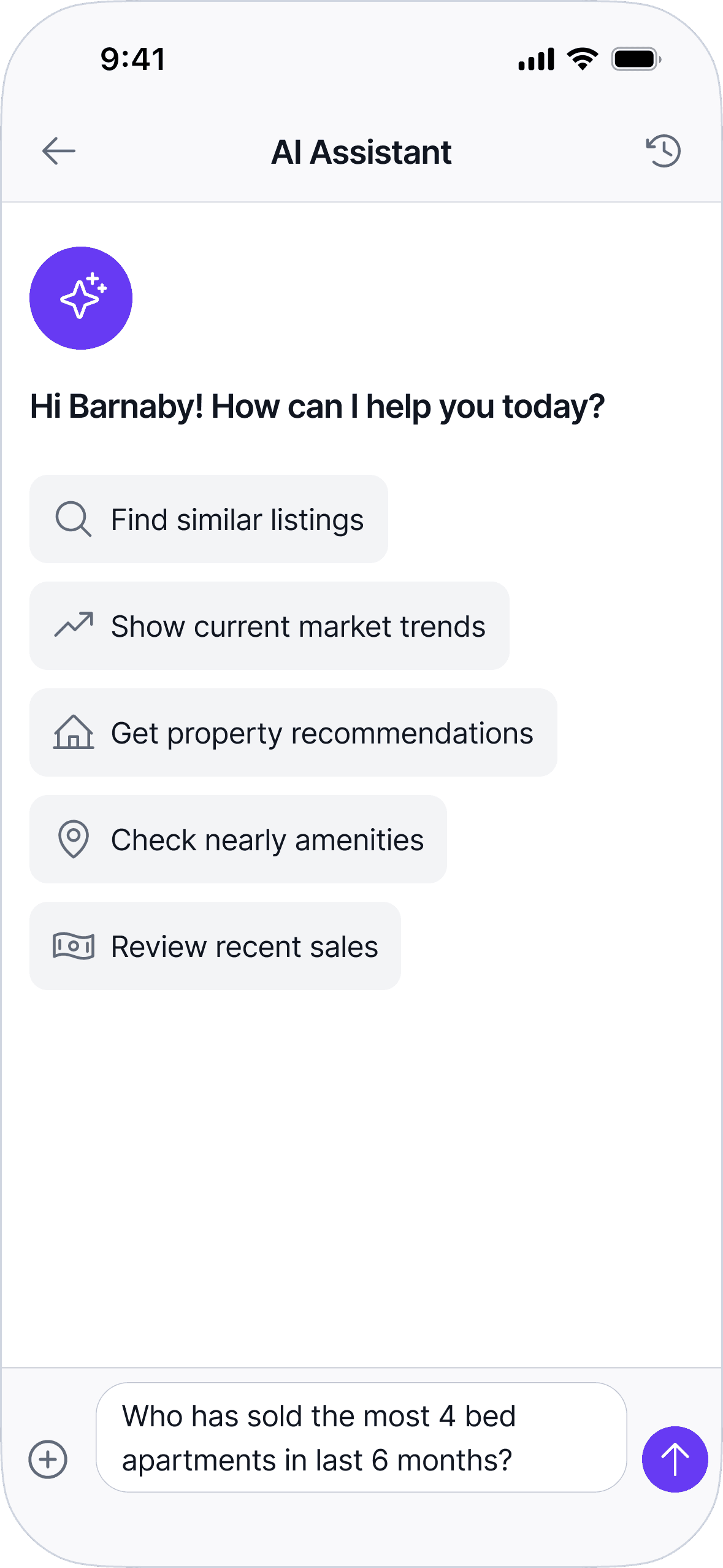
Control Panel


Home Tab
Home -> Listing Details
Network Tab
Create Tab
Inbox Tab
Profile Tab
Profile Tab -> Leads
Control Panel
Home Tab
Home -> Listing Details
Network Tab
Create Tab
Inbox Tab
Profile Tab
Profile Tab -> Leads
Control Panel
Home Tab
Home -> Listing Details
Network Tab
Create Tab
Inbox Tab
Profile Tab
Profile Tab -> Leads
Control Panel