BIG Suite Units — Software Testing SaaS Platform
Role
Senior Product Designer
Mode
Sole In-House Ownership at BIG
Scope
End-to-End Product Design
UX Architecture
Information Hierarchy
High-Fidelity UI
Timeline
Apr 2024 — Jun 2024
Figma
Live
Login-Only
Overview
Suite Units is BIG's internal QA testing platform — a second product assignment toward the end of my engagement, alongside the LanguageVault redesign. Four months, full product from zero, from developer specs and QA team interviews
The timeline was realistic only because of the design system. The component foundation from LanguageVault carried straight in: same tokens, primitives, light and dark themes. From day one I was placing decisions, not laying foundations
The Constraint
The hardest constraint was speed of interpretation. QA engineers run hundreds of tests and need to know immediately what failed, why, and who's looking into it. Every extra click between "something broke" and "I understand the problem" is wasted time
QA workflows are interrupt-driven. If the tool forces a funnel to the failure detail, it loses to a terminal window. The interface had to be faster and more informative than the logs it was replacing
One Screen, No Hub
The product collapses into a single split-screen view. No dashboard landing, no navigation between sections. You open Suite Units already in context — browse, execute, monitor, discuss, all in one screen
The default for testing tools is hub-and-spoke: dashboard, drill in, come back. That model assumes the user starts from scratch. QA engineers don't — they're already mid-failure, mid-pipeline, mid-conversation. A landing page is a tax on every interaction
Discussion Attached to the Failure
Comments with @mentions live inside the test detail view — against where this discussion usually goes, scattered across Slack and Jira. The trade-off is asking the QA team to move conversation off familiar channels. The benefit is the tool becomes the single source of truth: what failed, when, how often, and what the team said about it
Built on an Existing System
Suite Units runs on the component system built for LanguageVault. That's what made the four-month timeline realistic — without a system to reuse, a full product on that schedule would have meant cutting depth somewhere visible. It also gave BIG two internal tools that behave consistently across translation orchestration and QA pipelines. System investment is the part that's invisible until you need it
What Two Years Built
The two tracks were never separate work. Patterns from incremental fixes became defaults in the redesign; constraints from the redesign changed which fixes were worth doing. Live stakeholder pressure exposed which parts of the platform's complexity were essential, and which were just artefacts of the legacy UI
By the end, I had become the single design owner across all three brands, every flow followed a consistent design language, and the next-generation product had a foundation that didn't depend on the legacy UI underneath it
BIG Suite Units — Software Testing SaaS Platform
Role
Senior Product Designer
Mode
Sole In-House Ownership at BIG
Scope
End-to-End Product Design
UX Architecture
Information Hierarchy
High-Fidelity UI
Timeline
Apr 2024 — Jun 2024
Figma
Live
Login-Only
Overview
Suite Units is BIG's internal QA testing platform — a second product assignment toward the end of my engagement, alongside the LanguageVault redesign. Four months, full product from zero, from developer specs and QA team interviews
The timeline was realistic only because of the design system. The component foundation from LanguageVault carried straight in: same tokens, primitives, light and dark themes. From day one I was placing decisions, not laying foundations
The Constraint
The hardest constraint was speed of interpretation. QA engineers run hundreds of tests and need to know immediately what failed, why, and who's looking into it. Every extra click between "something broke" and "I understand the problem" is wasted time
QA workflows are interrupt-driven. If the tool forces a funnel to the failure detail, it loses to a terminal window. The interface had to be faster and more informative than the logs it was replacing
One Screen, No Hub
The product collapses into a single split-screen view. No dashboard landing, no navigation between sections. You open Suite Units already in context — browse, execute, monitor, discuss, all in one screen
The default for testing tools is hub-and-spoke: dashboard, drill in, come back. That model assumes the user starts from scratch. QA engineers don't — they're already mid-failure, mid-pipeline, mid-conversation. A landing page is a tax on every interaction
Discussion Attached to the Failure
Comments with @mentions live inside the test detail view — against where this discussion usually goes, scattered across Slack and Jira. The trade-off is asking the QA team to move conversation off familiar channels. The benefit is the tool becomes the single source of truth: what failed, when, how often, and what the team said about it
Built on an Existing System
Suite Units runs on the component system built for LanguageVault. That's what made the four-month timeline realistic — without a system to reuse, a full product on that schedule would have meant cutting depth somewhere visible. It also gave BIG two internal tools that behave consistently across translation orchestration and QA pipelines. System investment is the part that's invisible until you need it
What Two Years Built
The two tracks were never separate work. Patterns from incremental fixes became defaults in the redesign; constraints from the redesign changed which fixes were worth doing. Live stakeholder pressure exposed which parts of the platform's complexity were essential, and which were just artefacts of the legacy UI
By the end, I had become the single design owner across all three brands, every flow followed a consistent design language, and the next-generation product had a foundation that didn't depend on the legacy UI underneath it
BIG Suite Units — Software Testing SaaS Platform
Role
Senior Product Designer
Mode
Sole In-House Ownership at BIG
Scope
End-to-End Product Design
UX Architecture
Information Hierarchy
High-Fidelity UI
Timeline
Apr 2024 — Jun 2024
Figma
Live
Login-Only
Overview
Suite Units is BIG's internal QA testing platform — a second product assignment toward the end of my engagement, alongside the LanguageVault redesign. Four months, full product from zero, from developer specs and QA team interviews
The timeline was realistic only because of the design system. The component foundation from LanguageVault carried straight in: same tokens, primitives, light and dark themes. From day one I was placing decisions, not laying foundations
Read More
BIG Suite Units — Software Testing SaaS Platform
Role
Senior Product Designer
Mode
Sole In-House Ownership at BIG
Scope
End-to-End Product Design
UX Architecture
Information Hierarchy
High-Fidelity UI
Timeline
Apr 2024 — Jun 2024
Figma
Live
Login-Only
Overview
Suite Units is BIG's internal QA testing platform — a second product assignment toward the end of my engagement, alongside the LanguageVault redesign. Four months, full product from zero, from developer specs and QA team interviews
The timeline was realistic only because of the design system. The component foundation from LanguageVault carried straight in: same tokens, primitives, light and dark themes. From day one I was placing decisions, not laying foundations
Read More
Light Theme
Dark Theme
Light Theme
Dark Theme
Light Theme
Dark Theme
Test Suite View

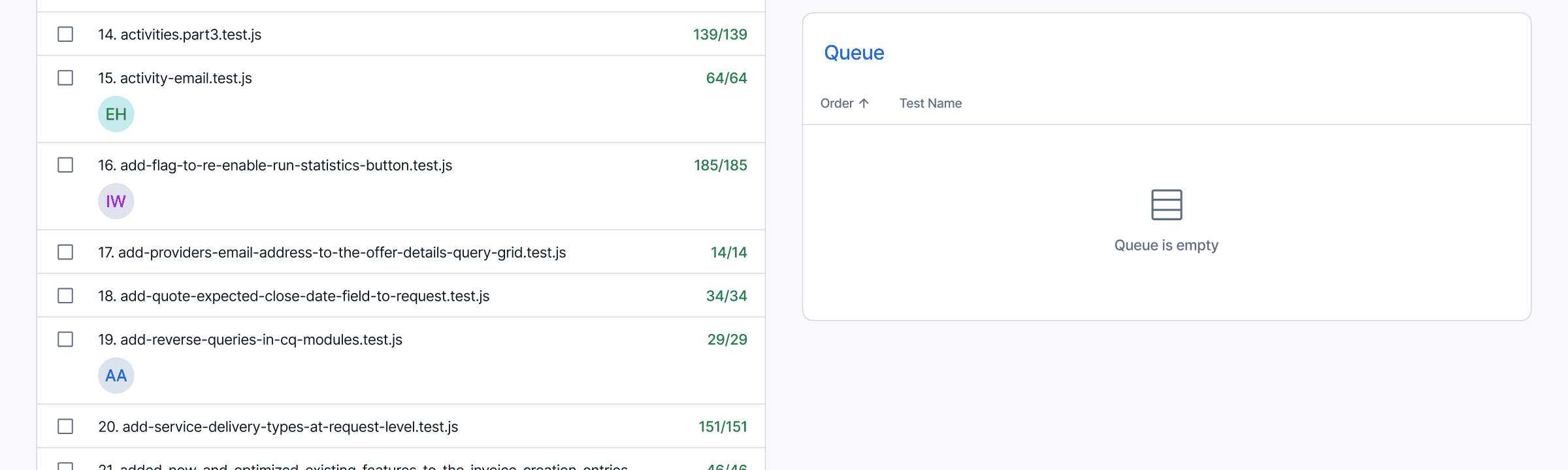


Test Suite View -> Pool Detail


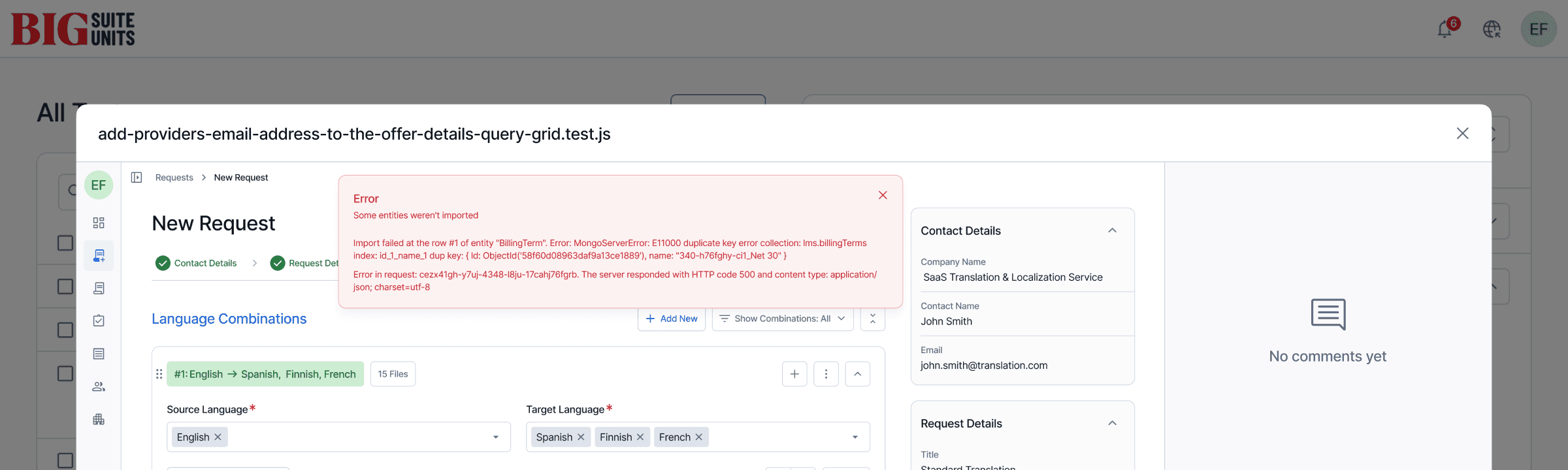


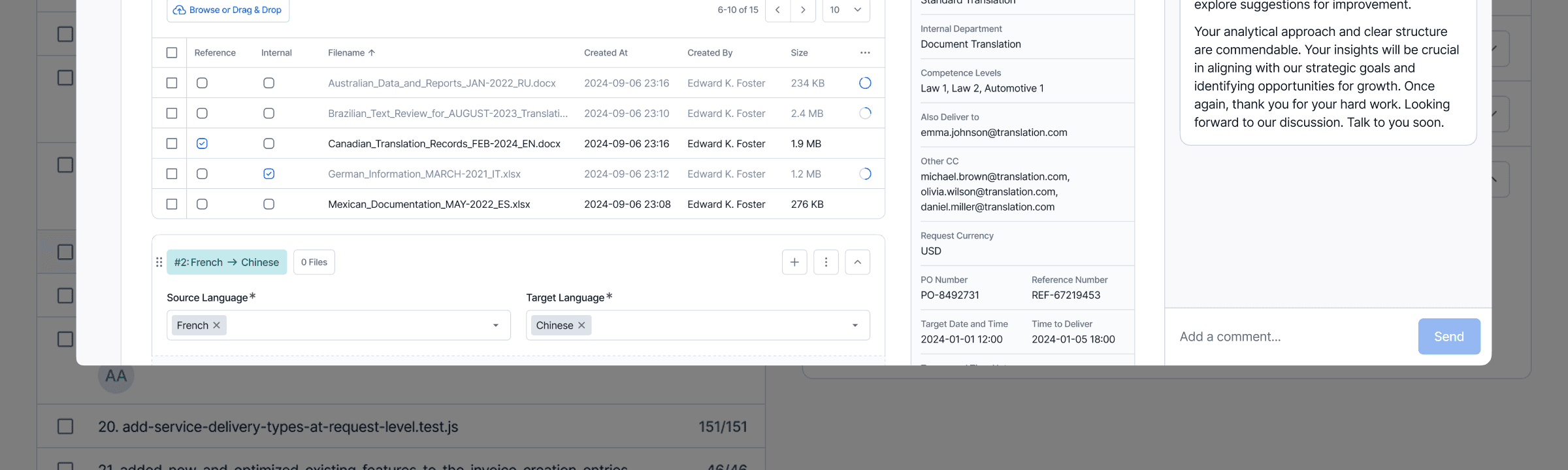


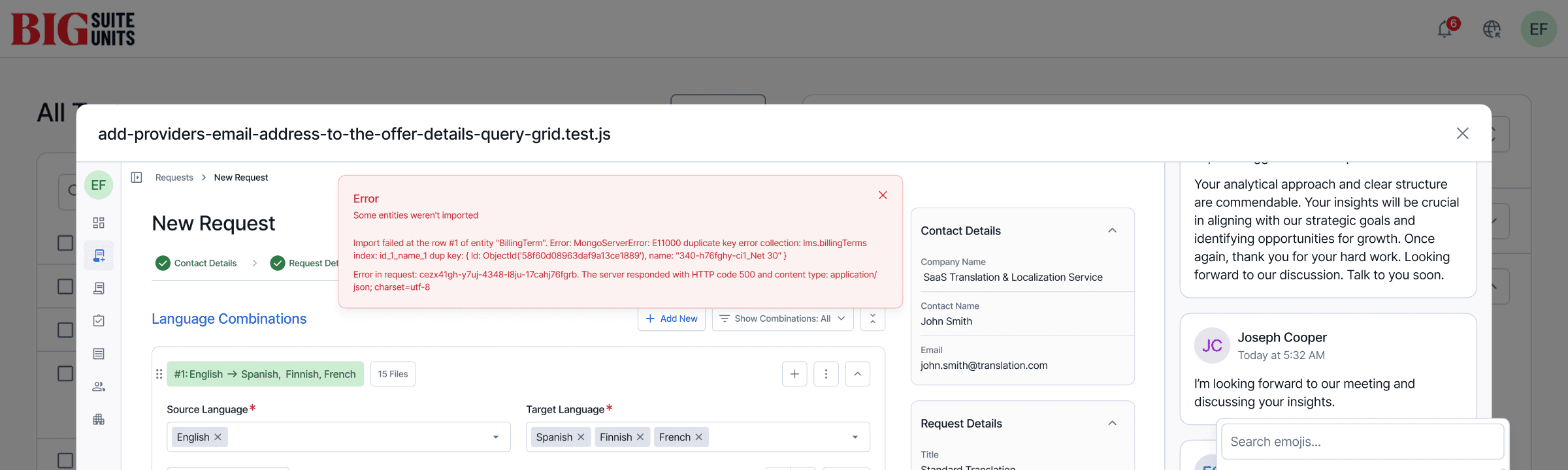
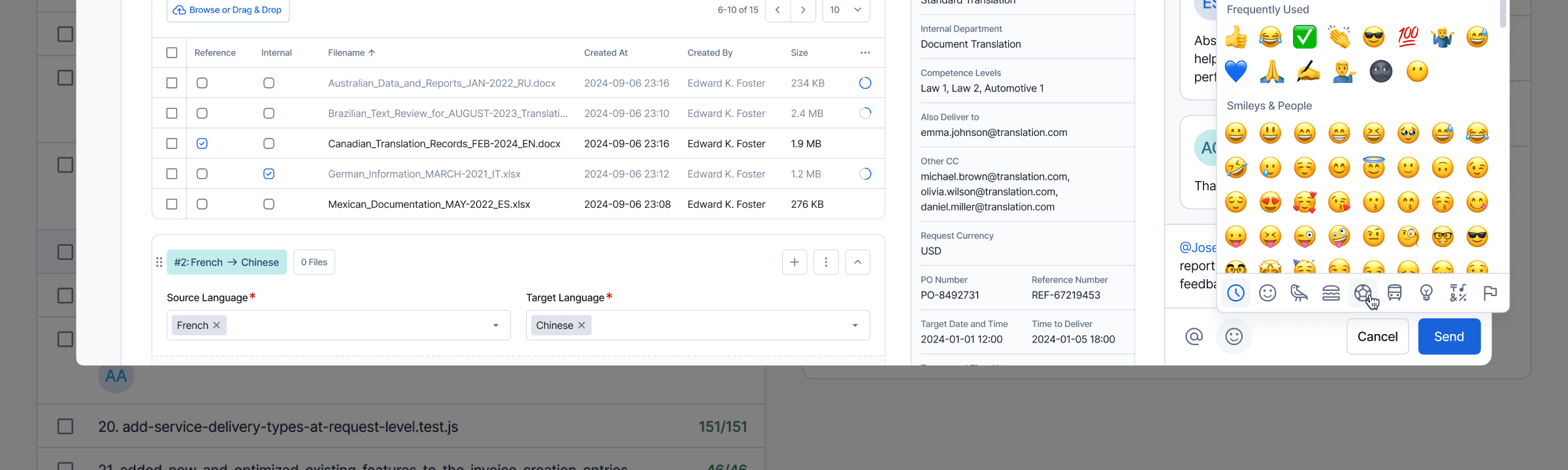
Test Suite View


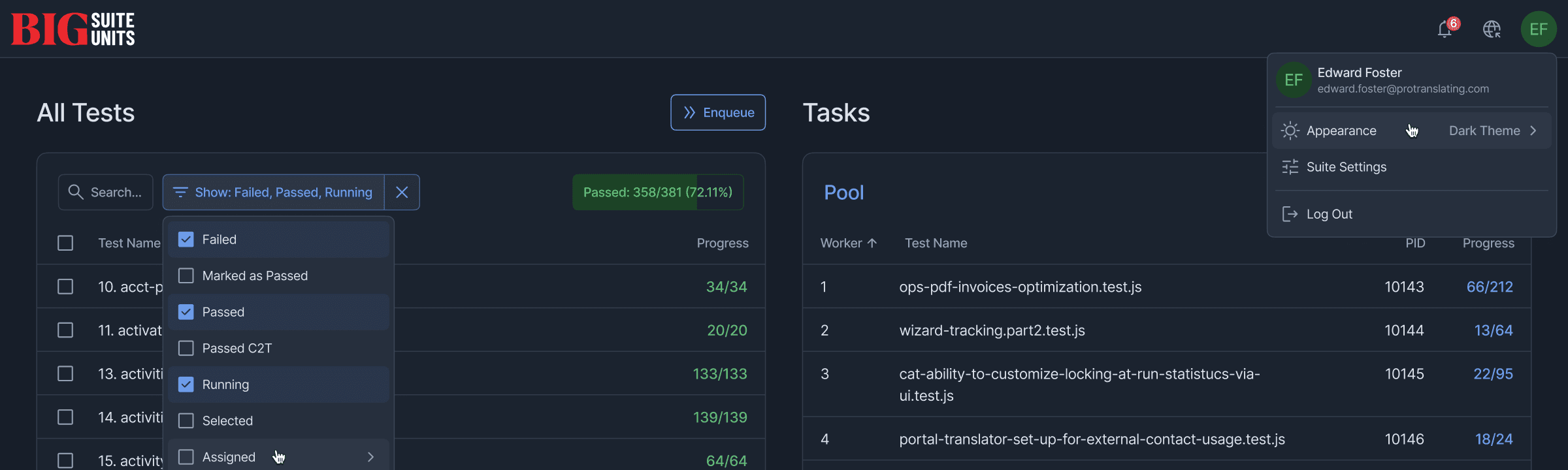


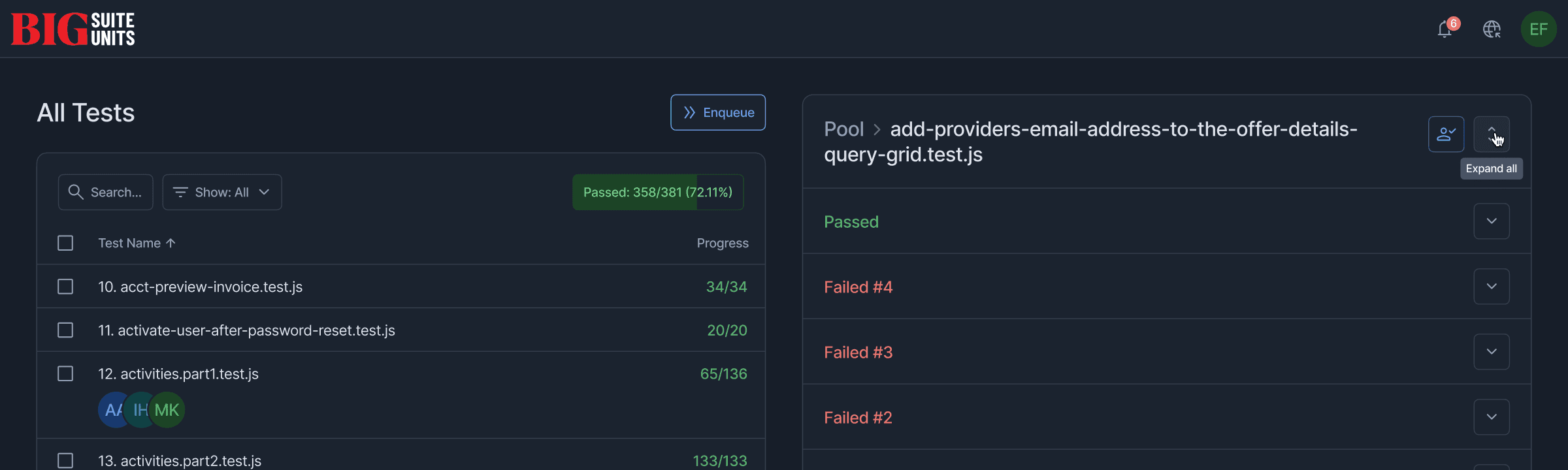

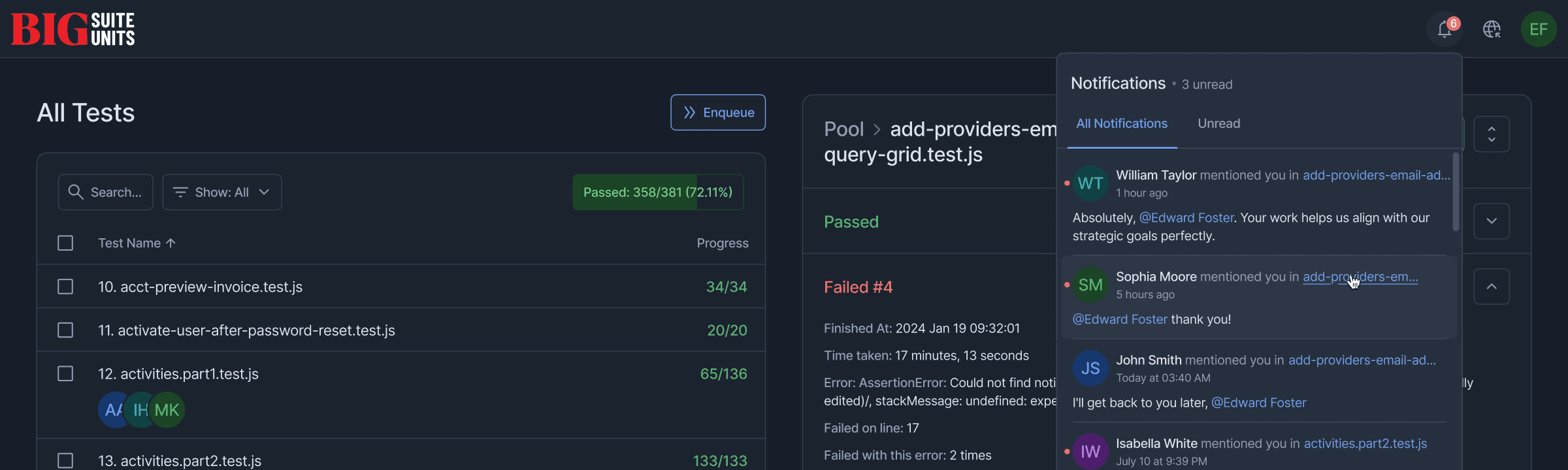

Test Suite View -> Pool Detail